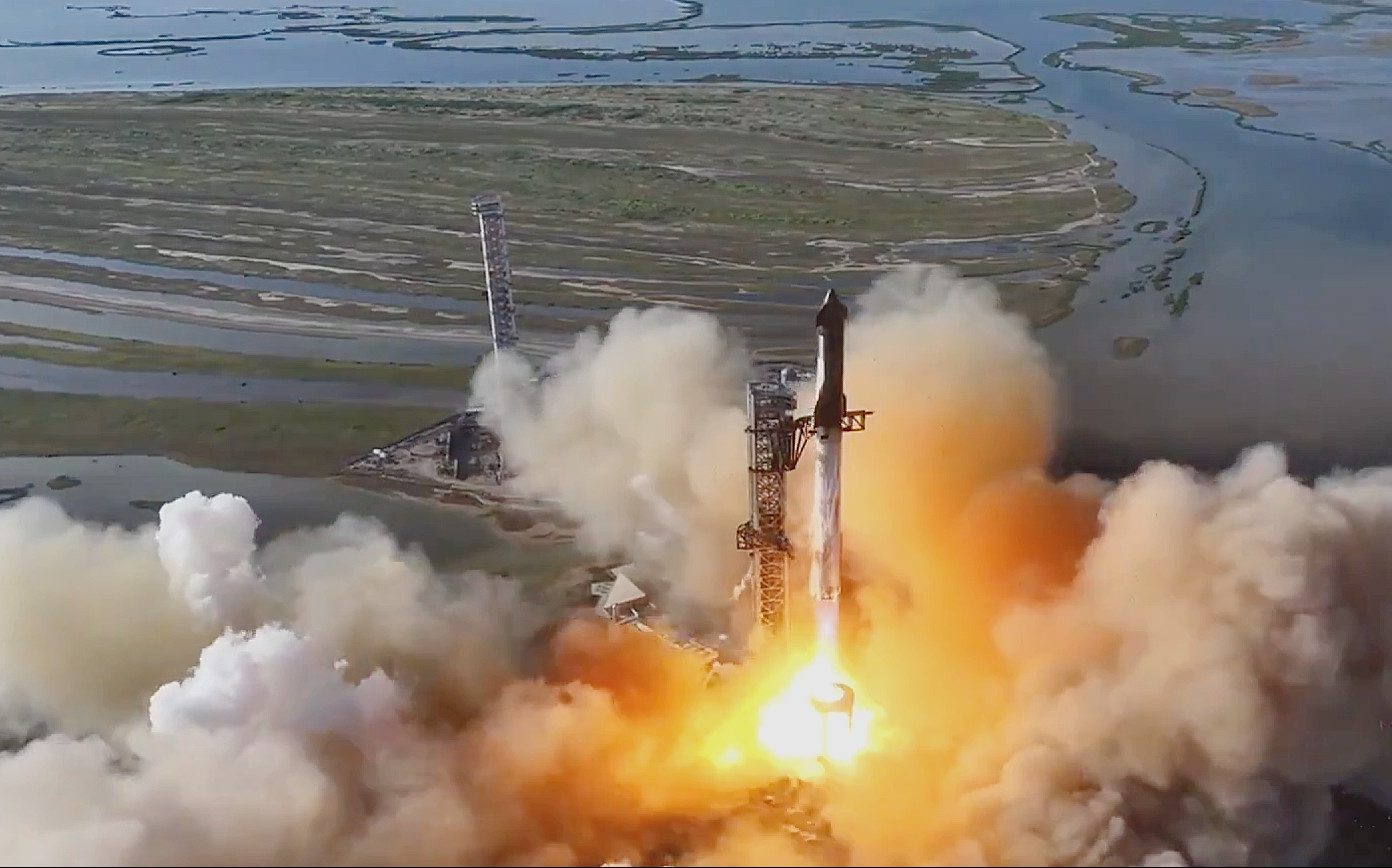
HAWTHORNE, Calif. — Elon Musk has responded to a low environmental, social, and governance score for SpaceX with characteristic bluntness, posting on X that "electric rockets are impossible." The five-word reply came after MSCI assigned the newly public company its lowest possible ESG rating of CCC, citing rocket emissions and concentrated control under Musk.
A rating that misses the physics
MSCI flagged SpaceX exposure to launch emissions and governance concerns, placing the firm near the bottom of its sustainability scale just as it debuted on the Nasdaq. Musk reply zeroed in on the environmental pillar, underscoring a physical constraint that ESG frameworks often overlook: there is no electric substitute for a chemical rocket at liftoff. The episode echoes long-running criticism of ratings systems, a debate we covered when SpaceX earned its first investment-grade credit ratings from agencies that scored the company very differently.
Electric propulsion does exist in space. Ion and Hall-effect thrusters accelerate ionized propellant with electric fields and achieve very high efficiency, which is why SpaceX own Starlink satellites use electric propulsion for station-keeping and orbit-raising. But reaching orbit from the ground is a different problem entirely, demanding millions of newtons of thrust delivered in seconds, something only the high-mass-flow exhaust of chemical combustion can provide today.
Reusability is the real sustainability story
What the rating arguably undervalues is how aggressively SpaceX has cut the environmental cost of spaceflight through reusability. Falcon 9 boosters have flown more than 30 times in some cases, dramatically lowering the manufacturing and emissions burden per kilogram delivered to orbit. Starship is designed around rapid reuse and methane propellant, which can in principle be produced through sustainable pathways. That relentless efficiency drive is the same engine behind the company financial ascent, which recently saw SpaceX overtake Amazon to become one of the largest companies in the world.
