SpaceX Launches Its 1,500th Starlink Satellite of 2026

SpaceX deployed its 1,500th Starlink satellite of the year on June 15 — its first orbital launch as a publicly traded company, the same day SPCX shares pushed past $180.

3 min read
SpaceX Launches Its 1,500th Starlink Satellite of 2026

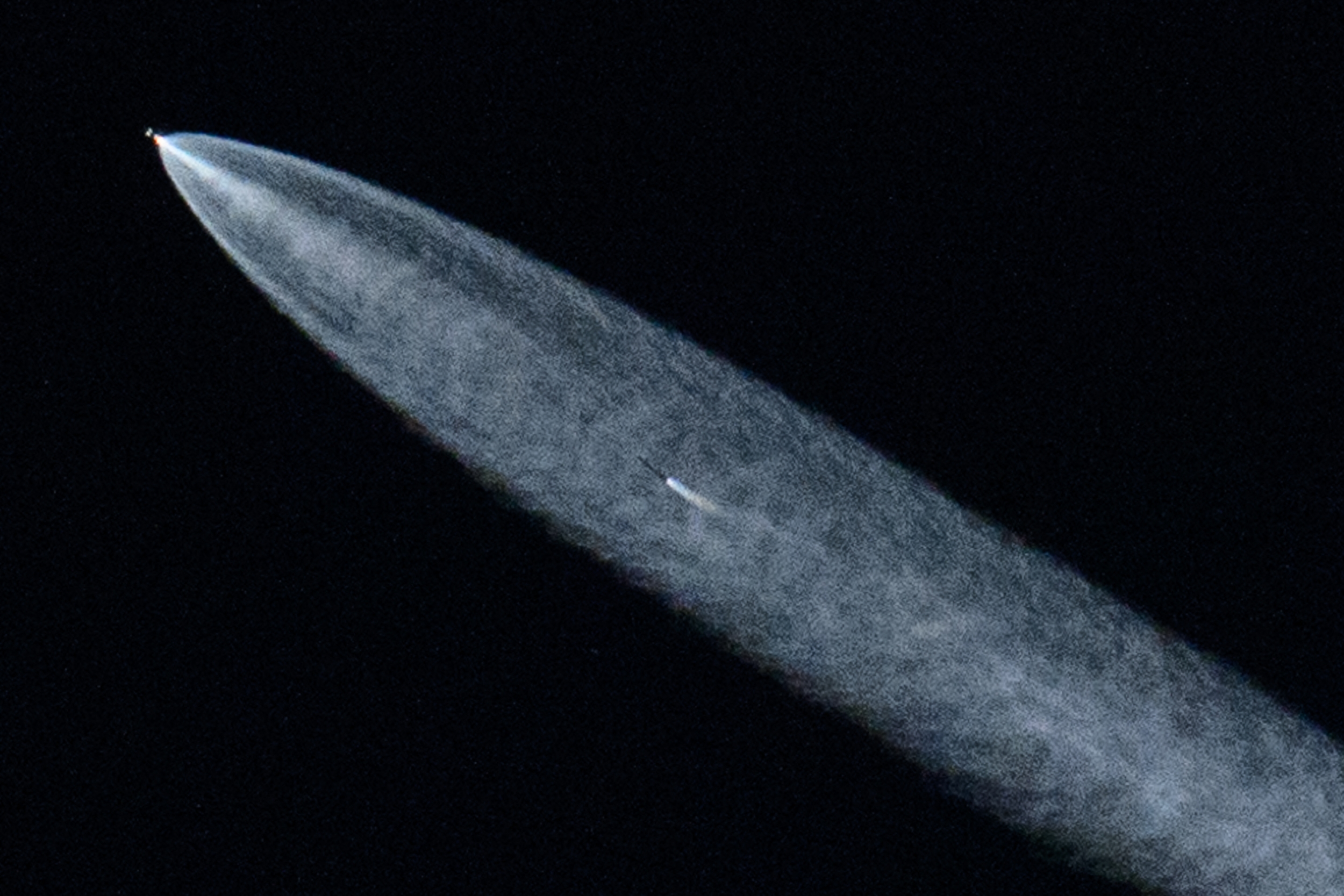
HAWTHORNE, Calif. — Three days after completing the largest initial public offering in Wall Street history, SpaceX carried out its first orbital launch as a publicly traded company on Monday, June 15 — and did it the way the company has made routine: quietly, precisely, and on schedule. A Falcon 9 carrying 24 Starlink satellites lifted off from Space Launch Complex 4E at Vandenberg Space Force Base in California at 11:34 a.m. ET, placing the constellation's 1,500th satellite of 2026 into low Earth orbit.

The timing was hard to miss. On the same day the mission flew, SpaceX stock climbed past $180 on the Nasdaq, extending a rally that had already added hundreds of billions in market value since shares first traded on June 12. The two events together captured the case SpaceX is making to investors: that industrialized launch and a thriving satellite-internet business are not two stories, but one.

A Pace That Redefines the Industry

SpaceX launched its first 60 Starlink satellites in May 2019. Reaching 1,500 in a single calendar year — with half the year still to go — is not a continuation of past trends but a leap beyond them. Through the first half of 2026, the company averaged roughly one dedicated Starlink launch every three to four days, each Falcon 9 carrying batches of 24 to 29 satellites.

Every one of those missions flew on a booster that had already been to orbit and back. Just over a week earlier, the fleet leader completed a record 35th flight — a reuse count that would have seemed impossible when SpaceX first landed a booster intact in 2015.

SpaceX Launches Its 1,500th Starlink Satellite of 2026 — additional image

How Monday's Mission Flew

The Starlink 17-54 flight used Booster B1093 on its 14th trip to space. After stage separation, the booster descended and landed on the autonomous drone ship Of Course I Still Love You in the Pacific Ocean, a maneuver SpaceX has now completed hundreds of times. Each landing spreads a booster's manufacturing cost across more flights, driving down the price of reaching orbit and making weekly deployments financially sustainable. The full launch manifest and live coverage are published on SpaceX's official launches page.

The deployment brought the constellation to roughly 10,600 active satellites — about 65 percent of all working spacecraft in orbit, making Starlink not just the largest constellation ever built but the dominant presence in low Earth orbit.

Why Scale Equals Capability

Density is not vanity; it is the product. A satellite at 550 kilometers crosses the sky in minutes, so continuous global coverage requires a dense, coordinated mesh in which one satellite rises as another sets. That same scale powers direct-to-cell service, which lets standard LTE phones connect to satellites with no special hardware. SpaceX reported 10 million Starlink subscribers as of February, up from 4 million in late 2024.

The next chapter is already in view. SpaceX plans to begin deploying its far larger Starlink V3 satellites on Starship in the second half of 2026, with each flight carrying roughly ten times the Falcon 9's payload. If the first half of the year set a record, the second half is built to break it.