
SpaceX Flies a Falcon 9 Booster a Record 35th Time

SpaceX launched and landed a Falcon 9 first stage for a record 35th time on June 8, closing in on the space shuttle's reuse mark as Starlink crossed 10,580 active satellites.

3 min read
SpaceX Flies a Falcon 9 Booster a Record 35th Time

HAWTHORNE, Calif. — SpaceX has once again rewritten its own record book, flying and landing a single Falcon 9 first stage for the 35th time and pushing reusable rocketry closer to a milestone once thought unreachable.

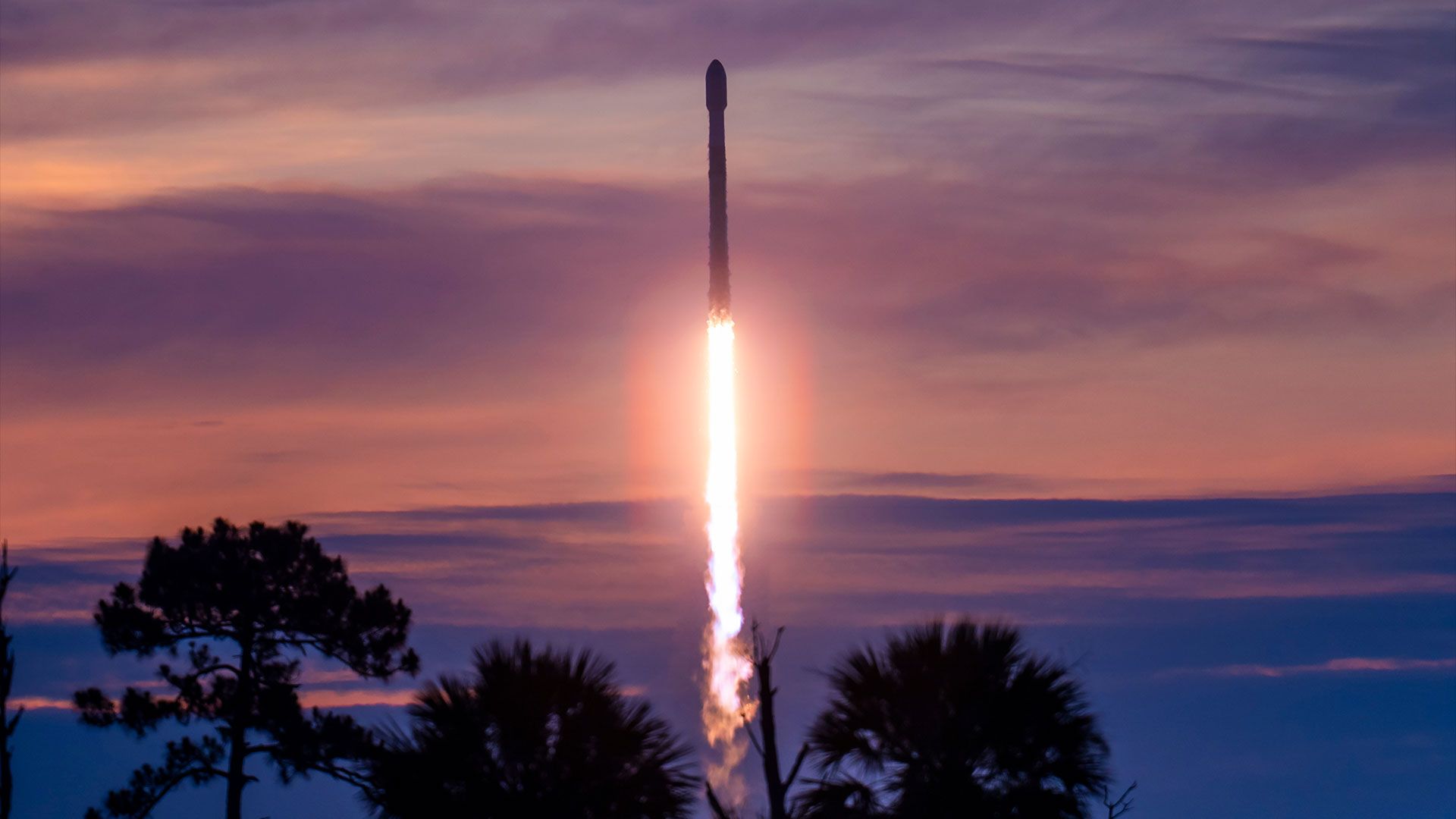
The record-setting booster, designated B1067, lifted off at 6:13 a.m. EDT on June 8 from Space Launch Complex 40 at Cape Canaveral Space Force Station in Florida, carrying 29 Starlink satellites to low Earth orbit. About eight minutes later the stage touched down on the droneship A Shortfall of Gravitas in the Atlantic, completing its 35th trip to space and back. The flight extended a cadence that has made the company's Falcon 9 milestone count climb at a remarkable pace.

Closing In on the Shuttle

With 35 flights on a single airframe, the Falcon 9 is now approaching the overall reusability record set by NASA's space shuttle orbiters, which each flew up to 39 times. The difference is the timeline. Where the shuttle program took three decades to reach those numbers across a small fleet, B1067 has logged its 35 flights since first launching in 2021.

That same booster carries a storied résumé, having flown NASA's CRS-22 cargo run, the Crew-3 and Crew-4 astronaut missions, and a string of commercial satellites before settling into a steady rhythm of Starlink deployments. Each reflight chips away at launch costs and proves out the rapid-turnaround model that competitors are still racing to match.

SpaceX Flies a Falcon 9 Booster a Record 35th Time — additional image

A Growing Constellation

The June 8 launch nudged the Starlink network past 10,580 active satellites, according to independent tracking, reinforcing the constellation's standing as the backbone of global satellite broadband. The service now reaches homes, aircraft and even direct-to-cell customers, and its scale keeps expanding as SpaceX prepares larger, higher-capacity spacecraft for its next-generation Starlink V3 satellites.

The mission was also SpaceX's 66th Falcon 9 flight of the year and the 660th completed Falcon mission in company history, a tempo no other launch provider has come close to matching.

Reuse as Routine

Perhaps the most striking part of the achievement is how routine it has become. A 35th flight of an orbital-class booster would have been science fiction a decade ago. Today it is a Monday-morning Starlink run. SpaceX has steadily raised the ceiling on how many times a stage can fly, retiring the notion that rockets are single-use hardware.

Engineers will now study B1067's performance as the company weighs how far it can push the fleet, with the shuttle's 39-flight mark squarely in view. Full mission details are posted on SpaceX's official Starlink 10-35 launch page. At the current rate, the next reuse record may be only a few weeks away.