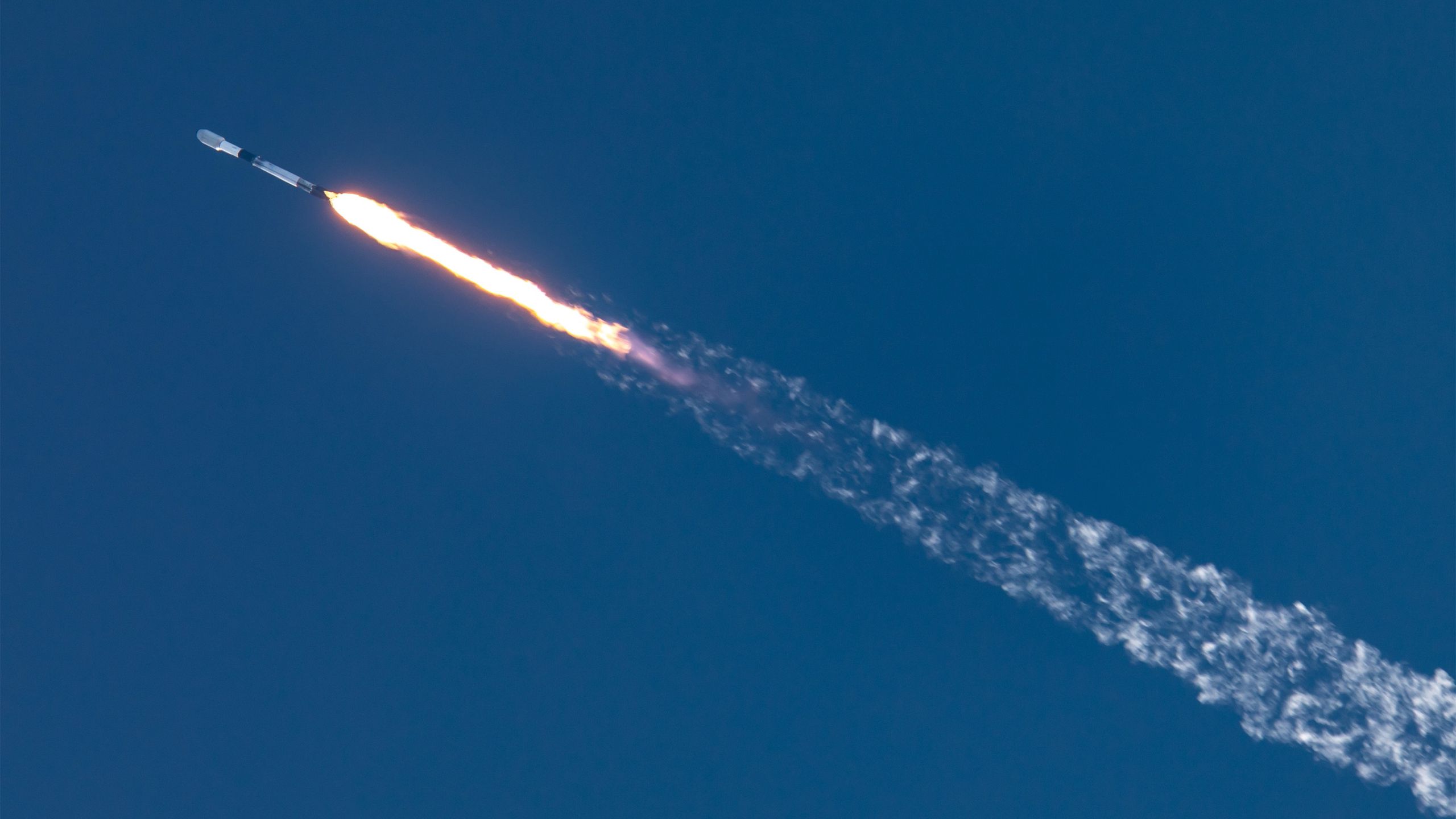
VANDENBERG SPACE FORCE BASE, Calif. — SpaceX added another national-security mission to its busy 2026 manifest early Friday, sending a Falcon 9 rocket skyward from California's central coast carrying a fresh batch of satellites for the U.S. National Reconnaissance Office.
The mission, designated NROL-179, lifted off during a 35-minute window that opened at 4:40 a.m. EDT (1:40 a.m. local time) from Vandenberg Space Force Base, continuing SpaceX's role as the workhorse launch provider for America's intelligence community.
Building the Proliferated Architecture
NROL-179 is the 14th flight dedicated to a sprawling new network the NRO calls its "proliferated architecture" — a constellation of smaller, more numerous satellites designed to deliver imagery and signals far faster and more resiliently than the agency's older, bus-sized spacecraft.
"A greater number of satellites — large and small, government and commercial, in multiple orbits — will deliver an order of magnitude more signals and images than is available today," NRO officials wrote in the mission's press kit. SpaceX and Northrop Grumman build the satellites, the first of which launched in May 2024.
The cadence has been relentless. NROL-179 follows close on the heels of SpaceX's 650th Falcon 9 launch, a milestone that captured just how routine orbital access has become for the company.
Reliable Reuse on Display
The flight again showcased SpaceX's signature reusability. The Falcon 9 first stage — making its third trip to space — was set to return to Earth less than eight minutes after liftoff, touching down at Vandenberg's Landing Zone 4. The booster recovery has become so dependable that SpaceX now treats it as standard procedure rather than a stunt.
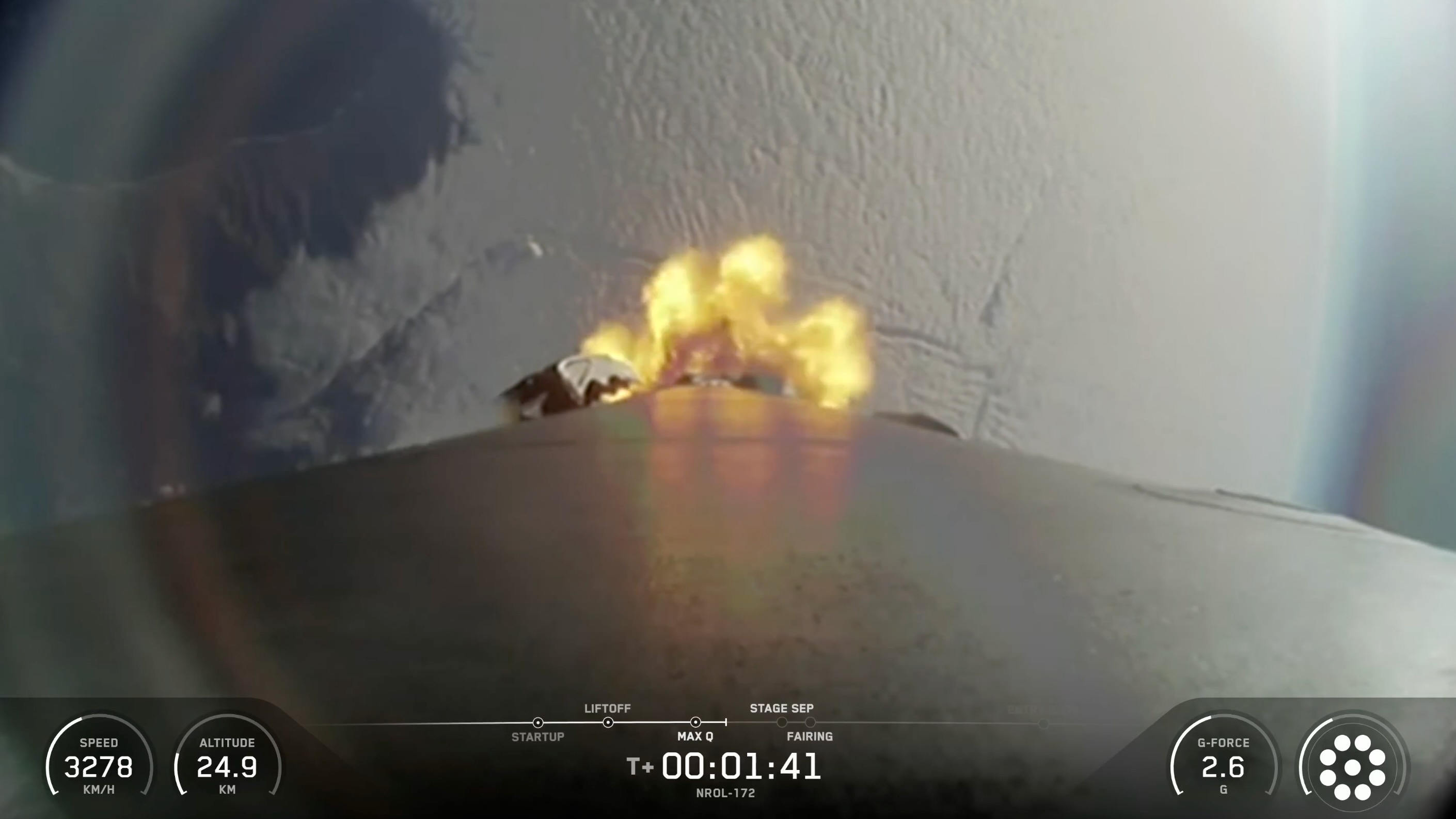
At the NRO's request, the company ended its public livestream shortly after stage separation, a common practice for classified payloads. The agency does not disclose details about the spacecraft's orbits or capabilities.
A Year of Record Volume
NROL-179 marked the 71st Falcon 9 mission of 2026, with 57 of the year's flights devoted to expanding the Starlink broadband megaconstellation in low Earth orbit. The launch builds on a deepening national-security portfolio that includes the recently disclosed Starshield military satellites tailored for government users.
Full mission details were posted on SpaceX's launch page, where the company outlined the booster history and recovery plan.
Cementing a Strategic Role
Each NRO flight reinforces SpaceX's position as the United States' most dependable gateway to orbit. As the proliferated architecture grows and Starlink scales toward global coverage, the company's ability to launch frequently, recover boosters and turn rockets around quickly is reshaping how the nation builds and maintains its eyes in the sky.