AUSTIN, Texas — Tesla's Cybercab robotaxi, which launched its first commercial operations in Austin earlier this year, has now been spotted operating in both Los Angeles and Dallas — a geographic expansion that confirms Tesla is systematically building out the multi-city infrastructure for a national ride-hailing network rather than running a contained pilot in a single market.
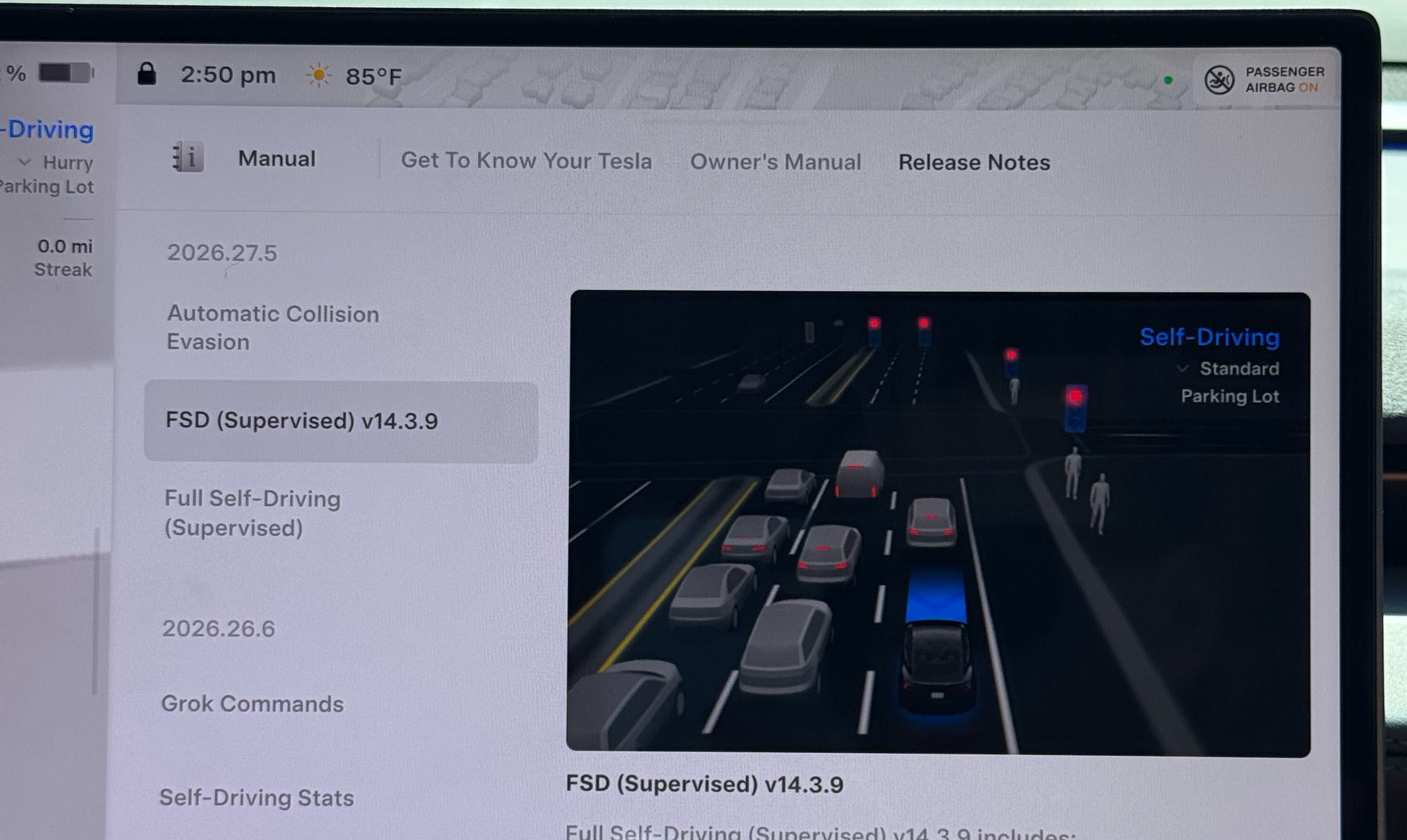
The LA and Dallas sightings represent the first confirmed appearances of the purpose-built Cybercab — which has no steering wheel and no pedals — outside of Tesla's Austin home base. Tesla's FSD software has been advancing steadily, with v14.3.4's MLIR compiler rewrite cutting reaction time by 20% and completing the Cybertruck Smart Summon integration, suggesting the underlying autonomy stack is gaining the reliability margin needed for multi-city deployment.
Nevada Filing: 5,000 Robotaxis in a Single State
The most significant development is not the city sightings — it is the regulatory filing Tesla submitted in Nevada. The company has applied for permits to operate up to 5,000 Robotaxis in the state, a number that puts Tesla's Robotaxi ambitions in sharp perspective.
For context: Waymo, the most established autonomous vehicle company in the US, currently operates approximately 700 vehicles across all of its markets combined. A 5,000-vehicle Tesla deployment in Nevada alone would make it the largest autonomous vehicle operation in the United States by a factor of seven. This is not a pilot program number. It is a commercial-scale deployment signal.
The Nevada filing follows Tesla's previously announced intent to launch Robotaxi services in Las Vegas. The Las Vegas market is particularly attractive for autonomous ride-hailing — high density of tourist destinations, predictable routes, consistent weather, and a grid-organized downtown that plays to camera-based autonomy systems.
Austin: The Proof-of-Concept That Built the Playbook
Tesla's Austin deployment, which covers the entire metro area, has been running with approximately 20 Cybercab vehicles and no safety monitors since its commercial launch. Tesla's May 2026 US EV sales were the best month since federal tax credits expired, driven in part by growing consumer interest in the Robotaxi service and its implications for vehicle ownership economics.
The Austin service also recently added Android support for the Robotaxi app, ending months of iOS exclusivity and opening the service to a broader customer base for when the fleet expands to additional cities.
Mass production of the Cybercab began at Gigafactory Texas in April 2026. The vehicle is central to Tesla's long-term transportation-as-a-service ambitions because its dedicated design — no controls, optimized interior for passenger experience — allows operating costs well below those of a retrofitted Model Y or Model 3.
The Multi-City Network Is Coming Together
The combination of LA and Dallas sightings, the Nevada filing, and the ongoing Austin commercial operations paint a clear picture: Tesla is not waiting for perfect conditions before expanding. The company is building operational experience, regulatory approvals, and fleet infrastructure in parallel across multiple markets simultaneously.
The pace of that expansion is likely to accelerate as Cybercab production ramps through the second half of 2026. The full week's Tesla Robotaxi and global sales breakdown is covered in detail at Tesery's comprehensive June 2026 roundup.
With sightings in three cities, permits filed for thousands more, and production scaling at Giga Texas, the Cybercab is beginning to look less like a future promise and more like an imminent national network.