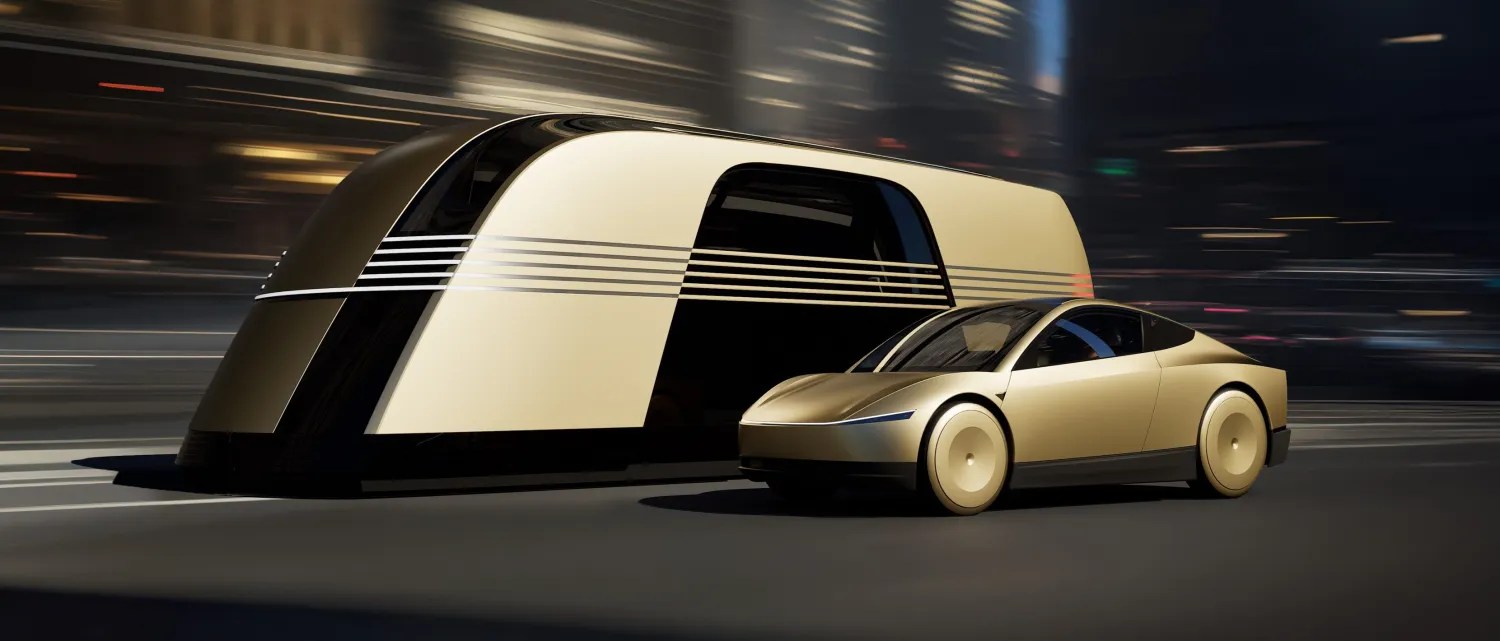
AUSTIN, Texas — Tesla is developing a purpose-built, wheelchair-accessible autonomous vehicle, a company policy advisor told lawmakers in Washington this week, putting a long-requested accessibility feature squarely on the robotaxi roadmap as the fleet expands across the country.
What Tesla told Washington
The disclosure came during a hearing before the DC City Council on a bill that could open the District to robotaxi services. Tesla senior policy advisor India Herdman told council members, "We are in development for a purpose-built, wheelchair-accessible autonomous vehicle," according to the reporting first surfaced by Electrek.
"We know that paratransit can be very difficult, and people who are confined to wheelchairs permanently should still be able to move around freely, so that is an active product being built by Tesla in Texas," Herdman said. It is the most direct on-the-record commitment Tesla has made to a dedicated accessible vehicle, and it lands as the company scales driverless operations far faster than most observers expected a year ago.
Why it matters now
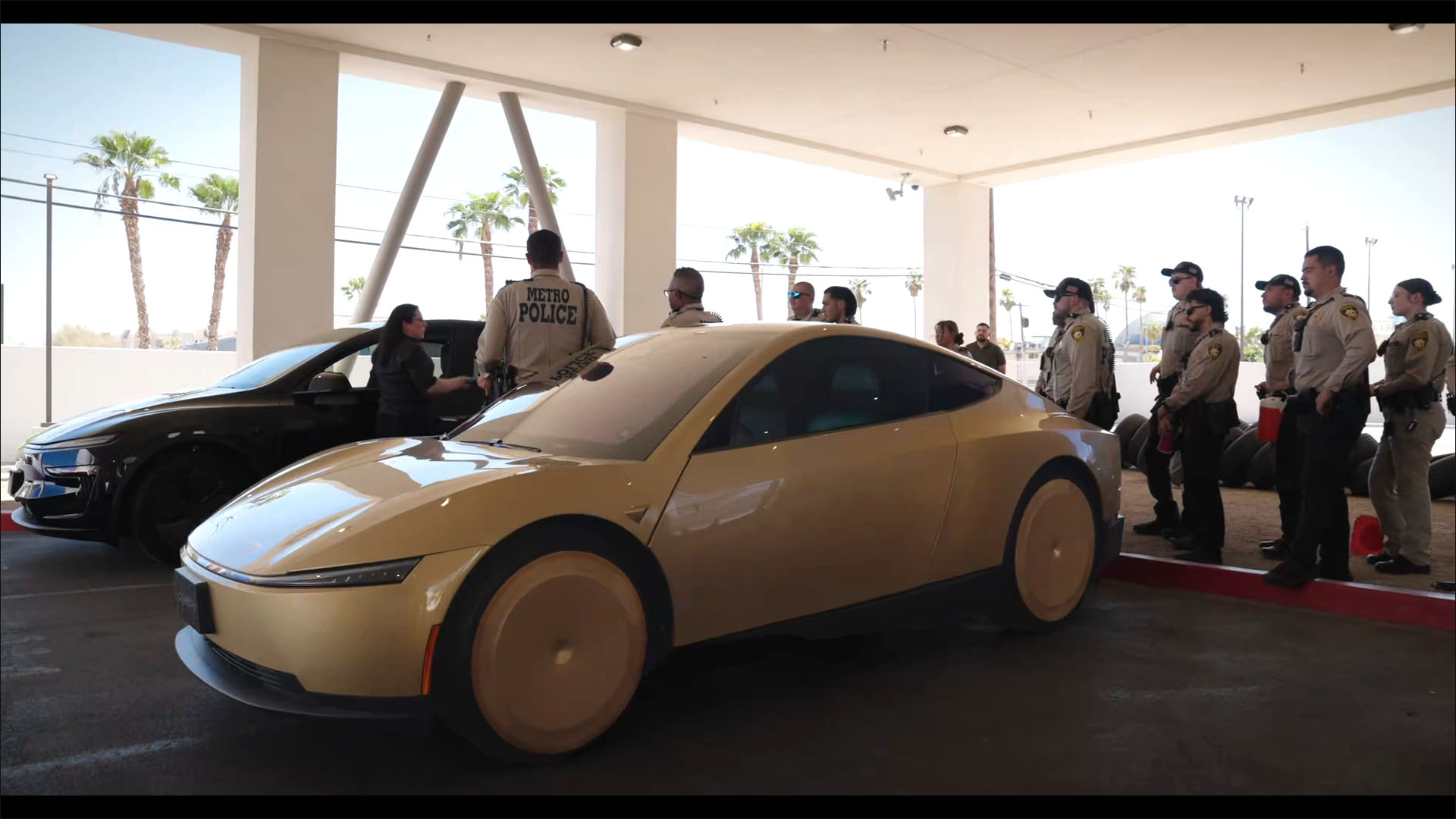
Tesla operates a growing driverless fleet in Austin, Dallas and Houston, and, as of this month, Miami. Those rides currently use the Model Y, a compact SUV that is not wheelchair accessible. The company has also started building its purpose-built Cybercab, a two-seat vehicle with braille lettering on controls and wheelchair-height seating designed to make transfers easier. Tesla highlighted those accessibility touches in a recent post, and CEO Elon Musk has publicly affirmed that accessible rides are a priority.
The timing tracks with the pace of Tesla's autonomy rollout. The company recently confirmed that its robotaxi service is running fully driverless in multiple markets, a milestone that makes a dedicated accessible platform a logical next step rather than a distant aspiration.