Musk Ally Antonio Gracias to Reinvest SpaceX Windfall in AI, Energy

Longtime SpaceX board member Antonio Gracias says he will channel a nearly $100 billion SpaceX windfall into new AI, energy, and space startups.

3 min read
Musk Ally Antonio Gracias to Reinvest SpaceX Windfall in AI, Energy

HAWTHORNE, Calif. — Antonio Gracias, one of Elon Musk's closest allies and a longtime SpaceX board member, is preparing to plow a nearly $100 billion windfall from the company's blockbuster public offering into a new wave of artificial intelligence, energy, and space ventures.

Gracias told investors in his Valor Equity Partners fund that he is tracking several startups founded by former SpaceX engineers and wants to back businesses that complement Musk's broader mission over time, according to a report from Bloomberg. The message is a striking vote of confidence in the ecosystem that has grown up around SpaceX.

A Historic Payday

Valor entities collectively hold more than 500 million SpaceX Class A shares, roughly 7.3% of the company, making Gracias the second-largest individual shareholder after Musk himself. At the valuation SpaceX commanded around its June debut, that stake is worth on the order of $90 billion, and it climbs well past $140 billion if the company reaches a $2 trillion valuation.

Gracias was an early believer, backing SpaceX and Tesla years before either was a sure thing. His willingness to keep his chips on the table, and to redeploy gains into adjacent frontier businesses, underscores how much investor conviction the Musk universe still commands after one of the largest listings in market history.
Musk Ally Antonio Gracias to Reinvest SpaceX Windfall in AI, Energy — additional image

Recycling Capital Into the Ecosystem

The plan reflects a broader pattern: capital generated by SpaceX flowing back into the network of engineers, suppliers, and spinouts orbiting the company. Gracias signaled particular interest in the space economy, favoring startups that can plug into or extend SpaceX's launch, manufacturing, and satellite capabilities.

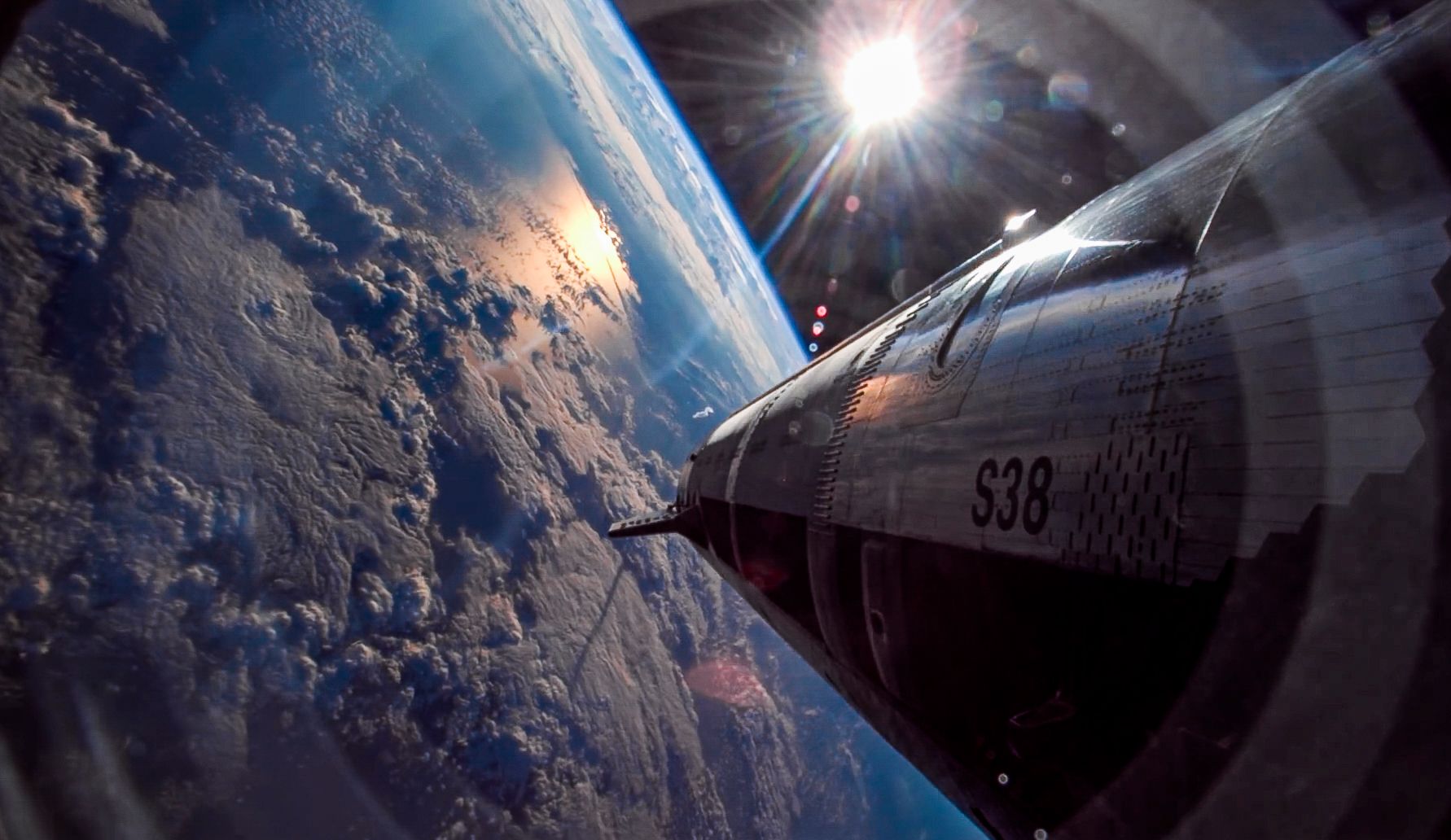
That ambition dovetails with SpaceX's own expansion. The company's rideshare launch program has booked its manifest years into the future, and investors increasingly see Starship as the enabling platform for a new class of orbital businesses, including the AI data centers in space that some SpaceX backers have championed.

There is a financial thread connecting the parties, too. Subsidiaries tied to xAI, which SpaceX absorbed earlier this year, have entered into roughly $20 billion in lease agreements with Valor-affiliated entities for AI infrastructure and computing equipment, generating hundreds of millions in payments over the past year and a half.

For Gracias, the windfall is less an exit than a launchpad. By recycling SpaceX gains into the next generation of AI, energy, and space companies, he is betting that the most valuable chapters of the Musk-adjacent economy are still ahead.