DeSantis Defends Tesla, Blasts Media Bias in Crash Coverage

Florida Gov. Ron DeSantis criticized legacy outlets for spotlighting Tesla in crash headlines even when human error is the clear cause, pointing to the automaker's strong safety data.

3 min read
DeSantis Defends Tesla, Blasts Media Bias in Crash Coverage

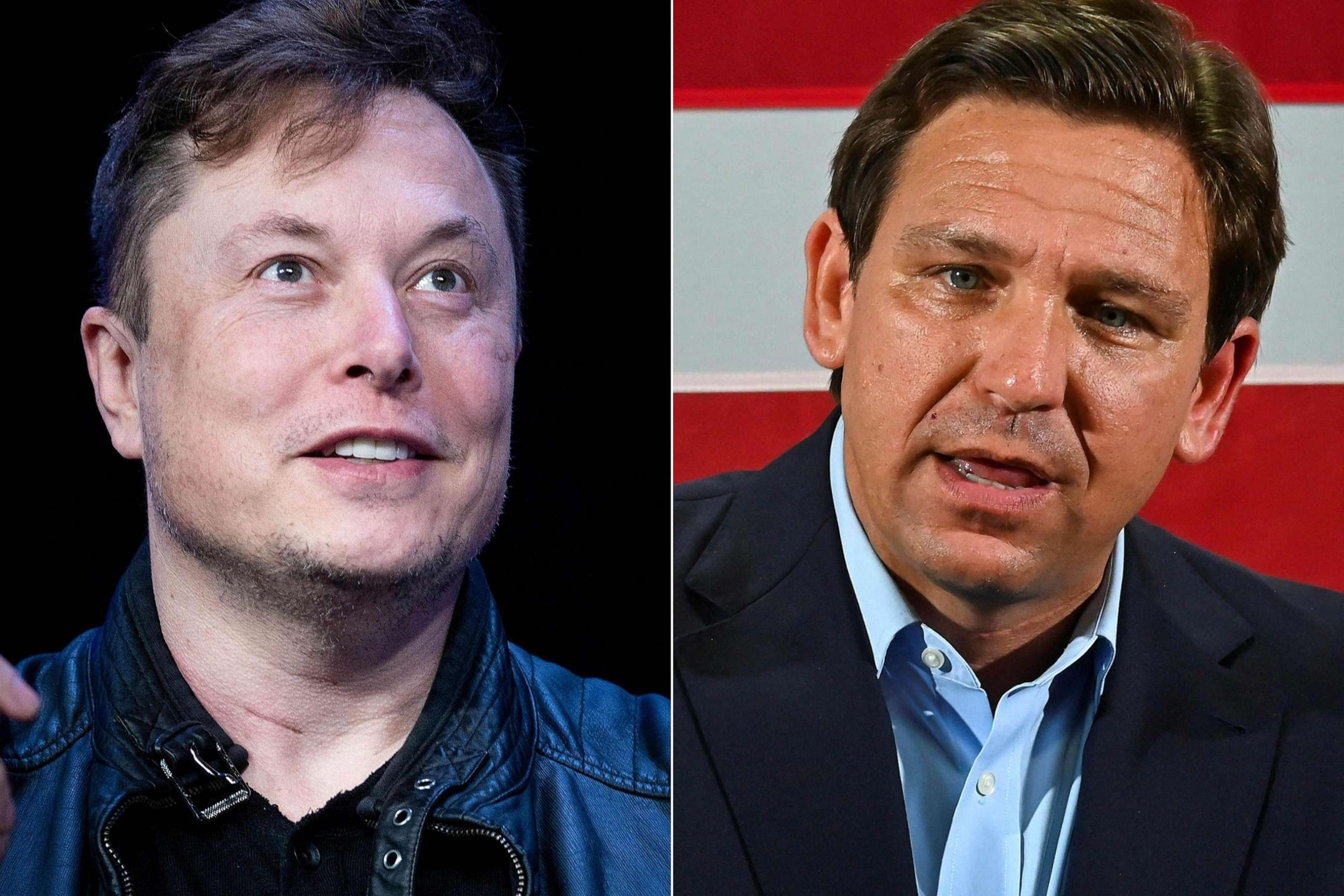
WASHINGTON — Florida Governor Ron DeSantis has waded into the debate over how Tesla is covered in the press, arguing that legacy media outlets disproportionately name the automaker in crash headlines even when the driver, not the car, is clearly at fault.

In a post on X, DeSantis questioned why routine crash stories involving Tesla lead with the brand while similar incidents with other automakers are often described generically. His comments landed amid renewed scrutiny of a fatal Texas crash where the data ultimately pointed squarely at the driver, as detailed when the NTSB found the driver, not FSD, caused the wreck.

The Case That Sparked It

The example at the center of the discussion is a June 19 crash in Katy, Texas, where a Tesla Model 3 struck a brick home at high speed, killing a 76-year-old woman inside. Early headlines prominently featured the Tesla brand and referenced claims that a driver-assistance system was engaged.

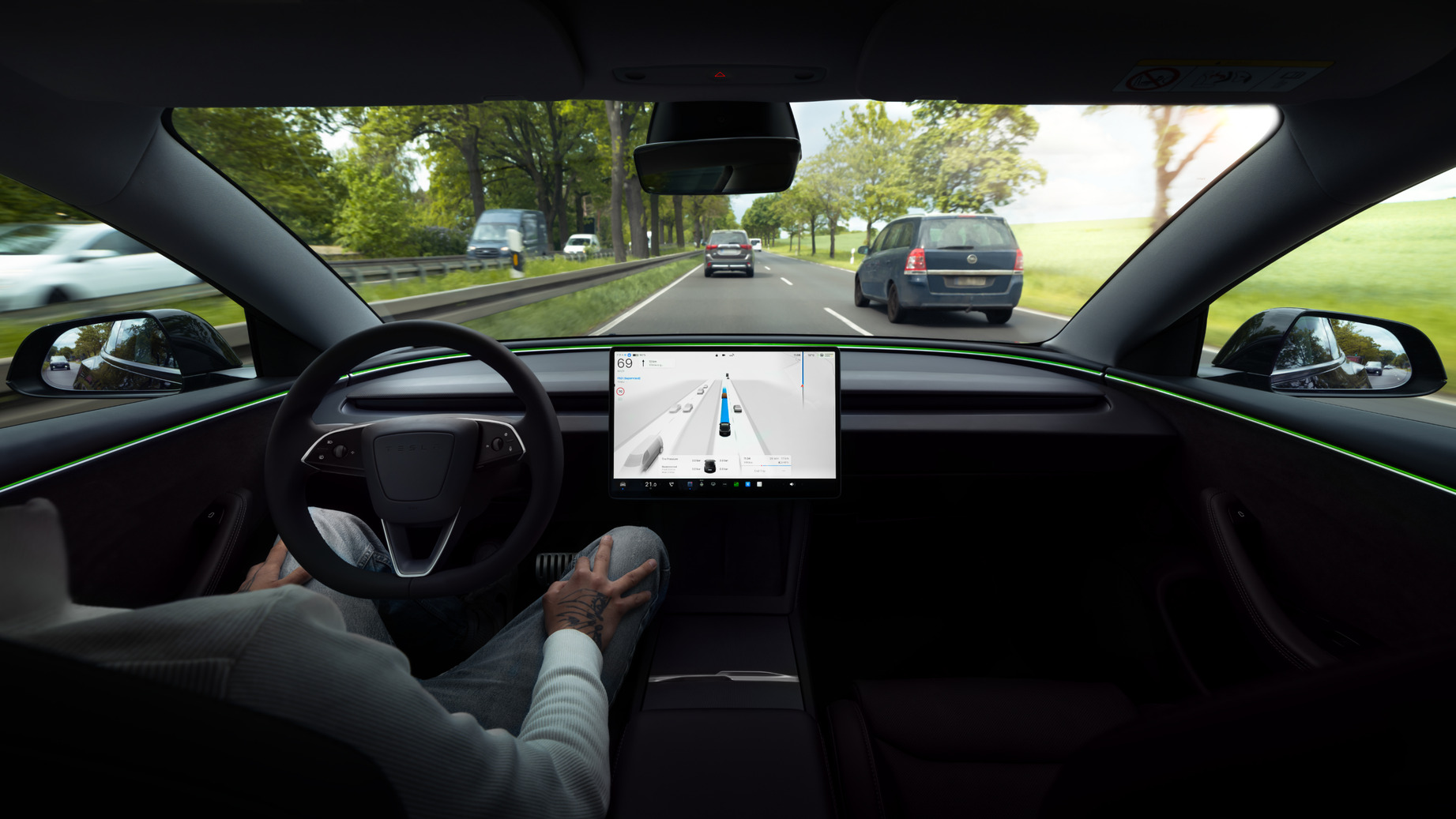
Tesla's vehicle data told a different story. The company said the driver manually floored the accelerator to 100%, reaching 73 mph in a residential area — more than double the speed limit — with the pedal still pressed after impact. The National Transportation Safety Board later confirmed those findings, and the driver now faces manslaughter charges. Reporting also noted the driver's phone searches suggested he found the system too cautious for his liking.
DeSantis Defends Tesla, Blasts Media Bias in Crash Coverage — additional image

A Question of Consistent Standards

DeSantis's broader point is about consistency. Crashes involving other manufacturers, he argued, frequently appear as a generic "pickup truck" or "car crash" without brand callouts, while Tesla is named up front. High-volume vehicles from legacy brands rarely draw the same scrutiny, even in serious incidents. That framing, in his view, shapes public perception in a way detached from the underlying facts, an issue that also surfaces as Tesla keeps refining how FSD learns and adapts to each driver.

What the Data Shows

The safety numbers give the argument weight. Tesla's 2025 Impact Report indicates vehicles using FSD logged 0.19 major incidents per million miles — roughly eight times fewer than the U.S. average — and models like the Model Y consistently rank among the safest in IIHS and NHTSA testing for occupant protection.

Supporters say consistent, factual reporting matters more than ever as autonomous technology spreads across the industry, and that brand-first framing risks eroding public trust in genuinely safer technology. As Teslarati reported, DeSantis framed the coverage pattern as unfair to an innovative American company — and, with the data on Tesla's side, the call for even-handed reporting is one the company's supporters are happy to amplify.