HAWTHORNE, Calif. — SpaceX kept its relentless launch rhythm going over the weekend, sending another batch of Starlink satellites to orbit from California and underscoring just how routine access to space has become for the company.
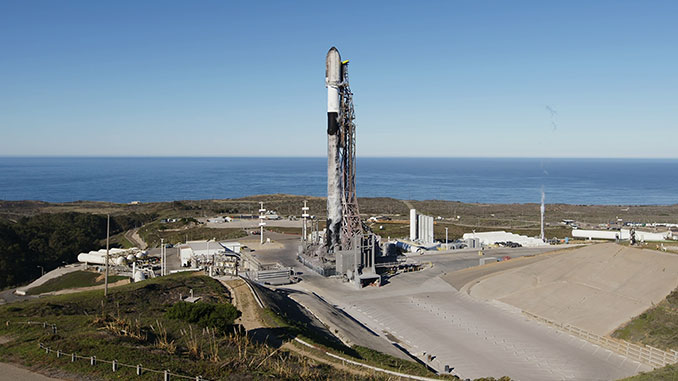
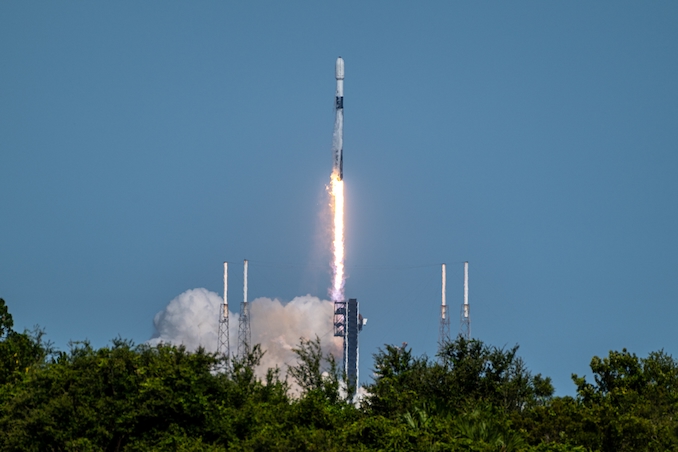
The Starlink 17-51 mission lifted off from Space Launch Complex 4E at Vandenberg Space Force Base, carrying 24 Starlink V2 Mini satellites on a southerly track toward a 97-degree inclination orbit. Deployment was set for just over an hour after liftoff, adding two dozen more nodes to a network that recently passed 10 million users as direct-to-cell service scales.
A Workhorse Booster and Pad
The flight was another showcase of reuse, the discipline at the heart of SpaceX's economics. The first-stage booster, B1100, was flying for an eighth time after previously launching the NROL-105 mission for the U.S. government and six earlier Starlink flights. Minutes after stage separation it returned for a landing on the droneship "Of Course I Still Love You," stationed about 380 miles downrange in the Pacific.
The mission was the seventh of eight Falcon 9 launches planned from Vandenberg in July alone. As SpaceX concentrates its Texas and Florida teams on Starship, the West Coast pad has quietly become the company's busiest launch facility, with four additional Falcon 9 flights lifting off from Cape Canaveral during the same month. It is a cadence no other launch provider comes close to matching.
Building the Constellation, Brick by Brick
Each Vandenberg flight thickens Starlink coverage over high-latitude regions and polar routes that a West Coast trajectory reaches efficiently. That steady drumbeat of launches is what allows SpaceX to keep upgrading the network's capacity even as it prepares to introduce far more capable spacecraft. The company's first V3 Starlink satellites rode a successful Starship Flight 13 just days earlier, previewing a generation of satellites with roughly gigabit-class throughput.
For now, the V2 Mini fleet does the heavy lifting, and Falcon 9 remains the tool that puts it there. The reliability of the rocket — landing boosters that have flown seven and eight times, turning them around in weeks — is what makes a seven-launch month look ordinary rather than historic.
Why the Pace Matters
The tempo is more than a statistic. A high, dependable launch rate is what lets SpaceX replenish satellites as older ones retire, expand into new orbital shells, and keep prices falling for customers on the ground. Detailed mission coverage from Spaceflight Now on the Starlink 17-51 launch noted that Vandenberg has become the company's workhorse precisely because Falcon 9 has made frequent flight routine.
With Starship's Florida debut approaching and the V3 satellites beginning to fly, SpaceX is positioned to push its cadence even higher in the months ahead. For a company that treats orbit as a highway rather than a destination, another weekend Starlink launch is simply business as usual — and a reminder of how far the bar has moved.