WASHINGTON — Elon Musk spent part of his weekend sketching one of his most ambitious ideas yet: a constellation of solar-powered, AI-controlled satellites, launched from the Moon, that could help keep Earth livable for roughly a billion years. It is classic long-horizon Musk — a proposal that fuses SpaceX's launch ambitions, xAI's autonomy and a planetary-scale engineering vision into a single concept.
Sentient Satellites Between Earth And Sun
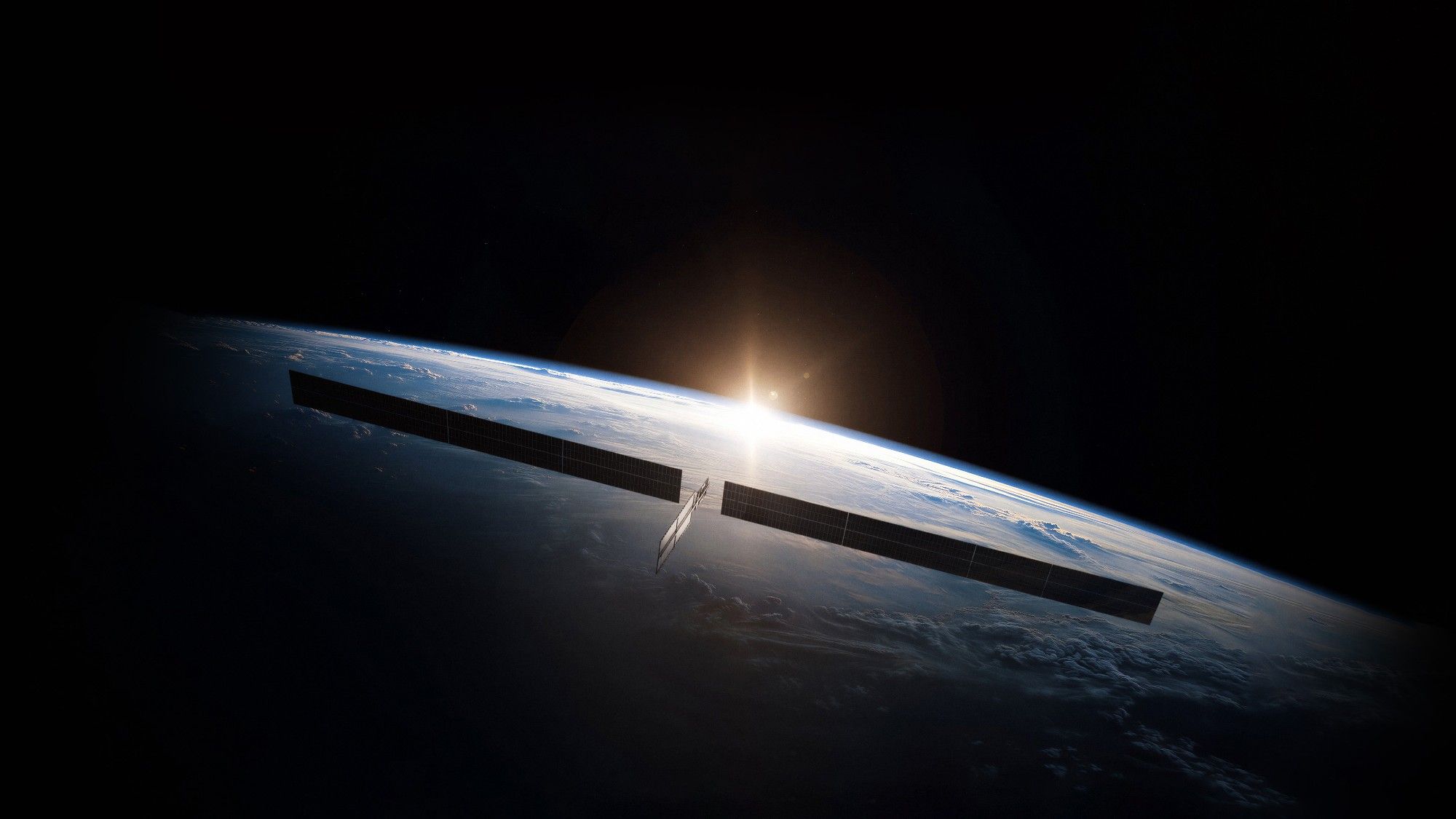
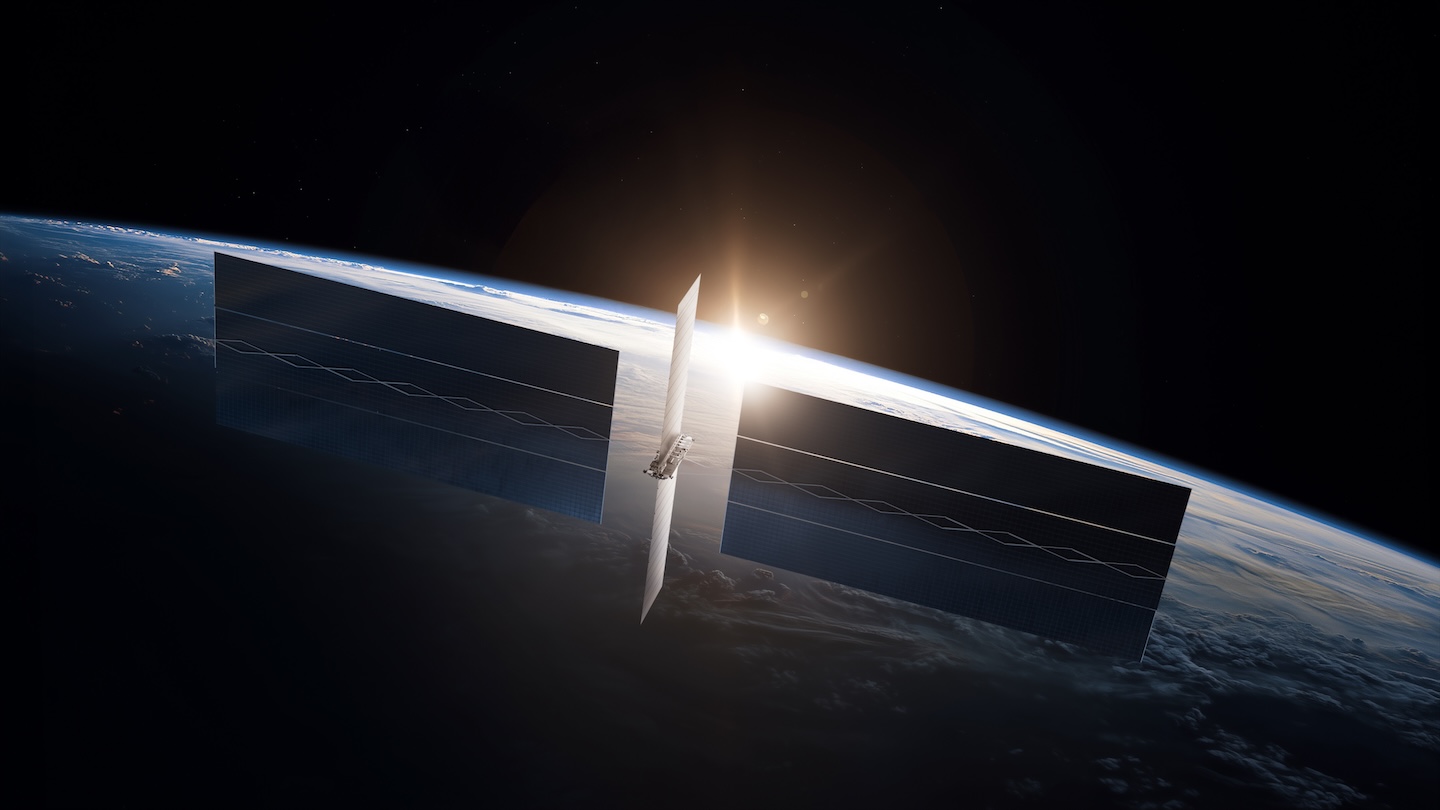
In a series of posts on X, Musk argued that shifting from fossil fuels to solar and wind, while important, would not by itself protect humanity from the most severe extinction events. His proposed answer is what he called sentient satellites: solar-powered spacecraft, guided by onboard AI, positioned at a fixed point between Earth and the Sun where they could make continuous, tiny adjustments to incoming sunlight and fine-tune the planet's temperature.
Because the AI would make small corrections on its own rather than waiting for instructions from the ground, the system could respond in real time. Musk framed the concept as an insurance policy for the planet, complementing the broader off-world ambitions that have driven his companies, including SpaceX's expanding launch infrastructure.
A Mass Driver On The Moon
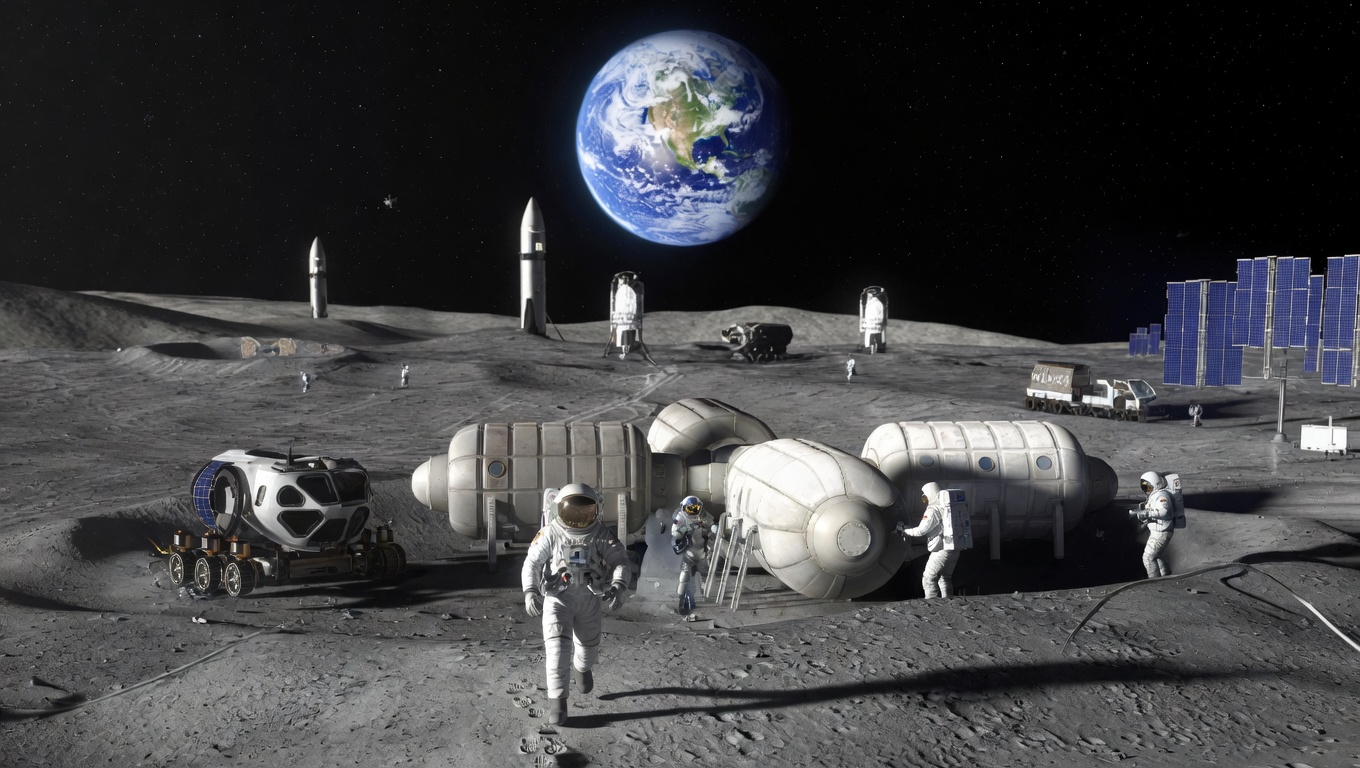
The most striking piece of the plan is how Musk would get the hardware to space. Rather than launching everything on rockets, he proposed building a giant electromagnetic catapult — a mass driver — on the Moon, using lunar material to fling cargo into space. With lower gravity and no atmosphere, the Moon makes such a launch system far more efficient than one on Earth.