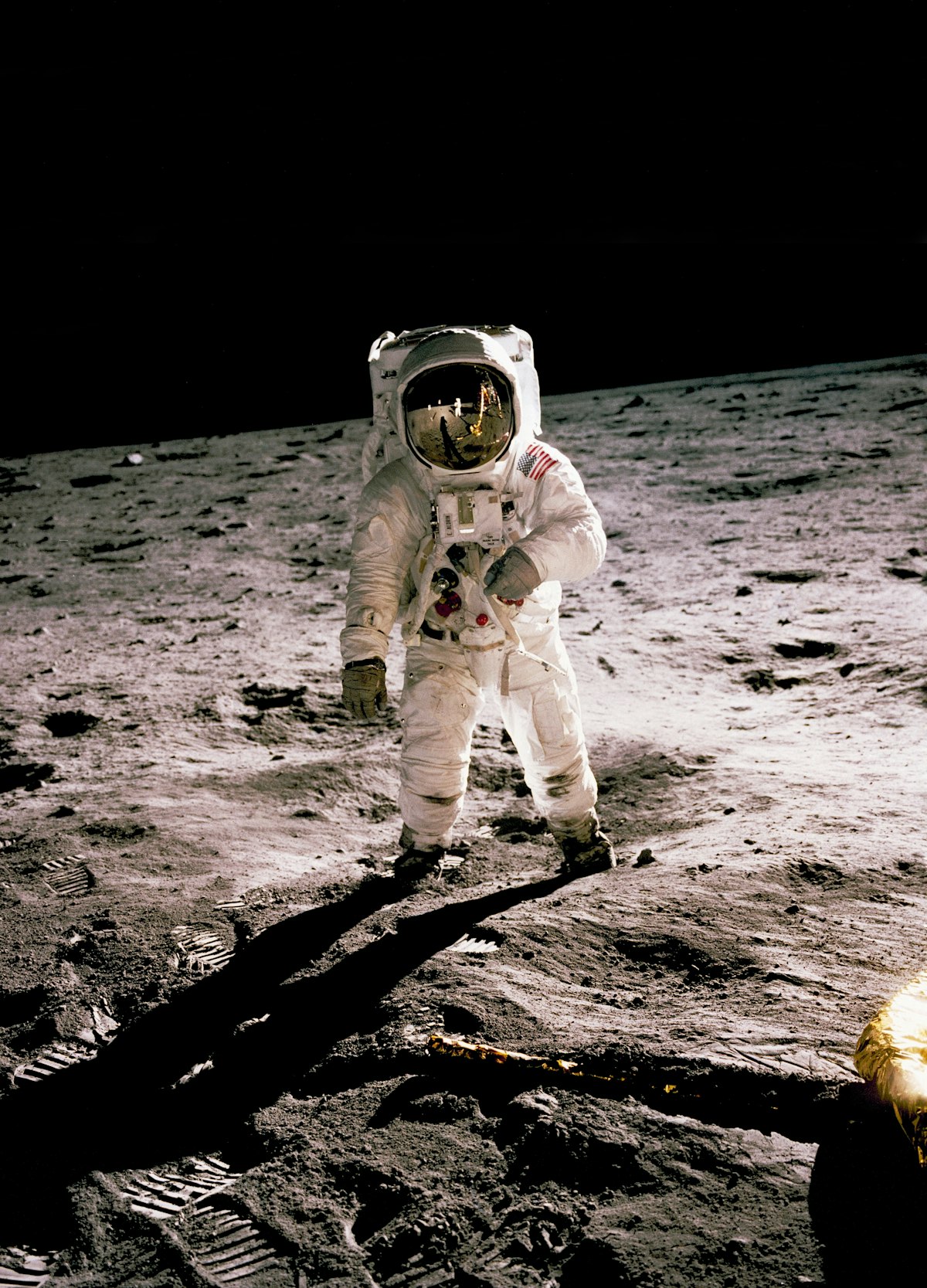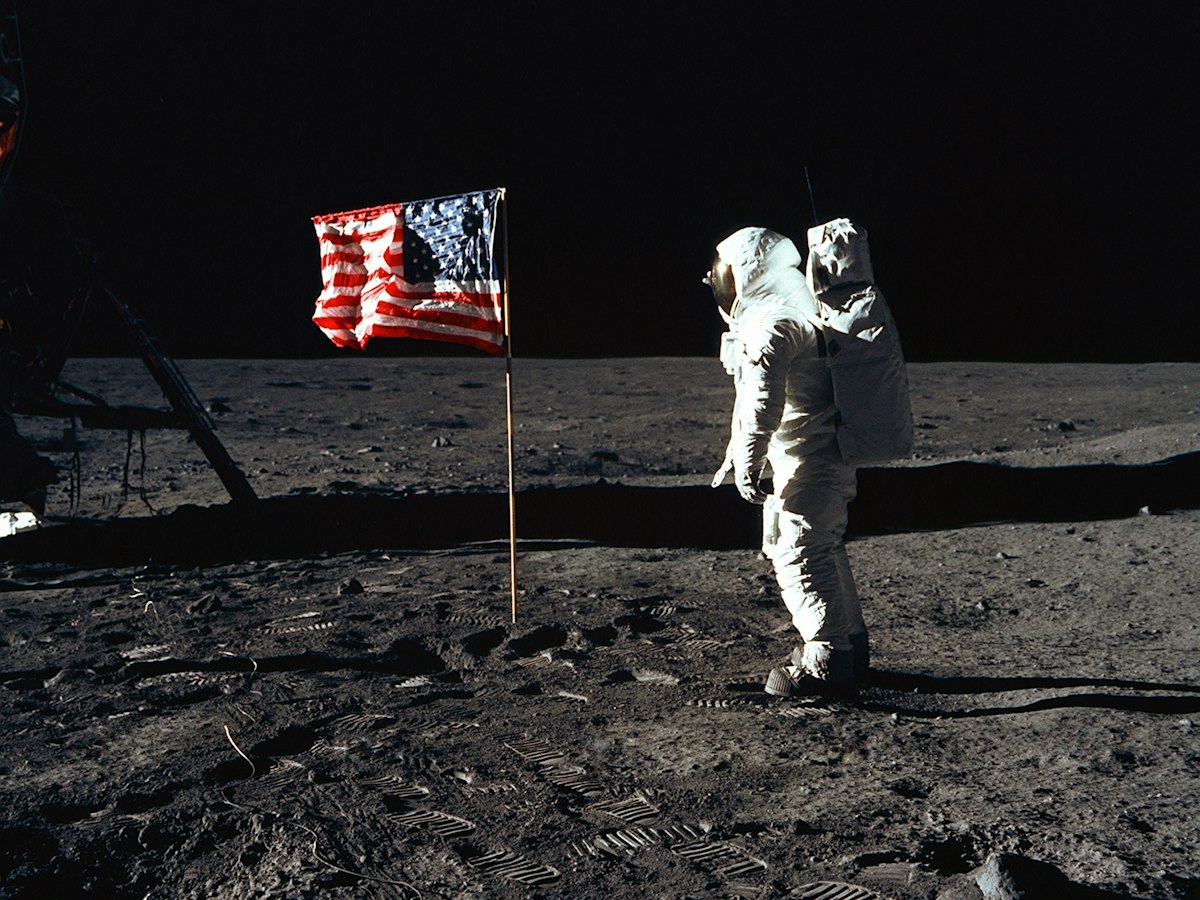
BOCA CHICA, Texas — NASA on May 27, 2026 released its most detailed Moon Base plan to date, describing a permanent outpost near the lunar south pole built across multiple phases over the coming decade — and SpaceX is the only American company currently under contract to land astronauts there.
Three Missions Before Year-End
NASA's Moon Base architecture is structured around three near-term uncrewed missions, all targeting launch before the end of 2026. Moon Base I will use Blue Origin's Blue Moon Mark 1 lander to deliver scientific instruments to Shackleton Connecting Ridge — the same region targeted for crewed Artemis landings. Moon Base II will send Astrobotic's Griffin lander carrying over 1,100 pounds of cargo, including Astrolab's FLIP rover, to begin building mobility systems on the surface. Moon Base III will deploy ESA and Korean science payloads aboard Intuitive Machines' Nova-C Trinity lander to study lunar swirls near the south pole.
Rovers, Drones, and Infrastructure
NASA awarded Astrolab $219 million and Lunar Outpost $220 million to develop the first phase of Lunar Terrain Vehicles, both targeted for surface deployment by 2028. Astrolab's crewed rover weighs roughly 2,000 pounds and can exceed 6 mph. Lunar Outpost's Pegasus rover operates autonomously or via remote control at over 9 mph.
Blue Origin received a separate $188 million award — with an option worth $280.4 million — to deliver cargo landers capable of transporting the rovers to the surface. NASA also confirmed that Firefly Aerospace will build the MoonFall spacecraft, which will deploy four survey drones to scout Artemis landing sites ahead of crewed missions, with a 2028 launch target.