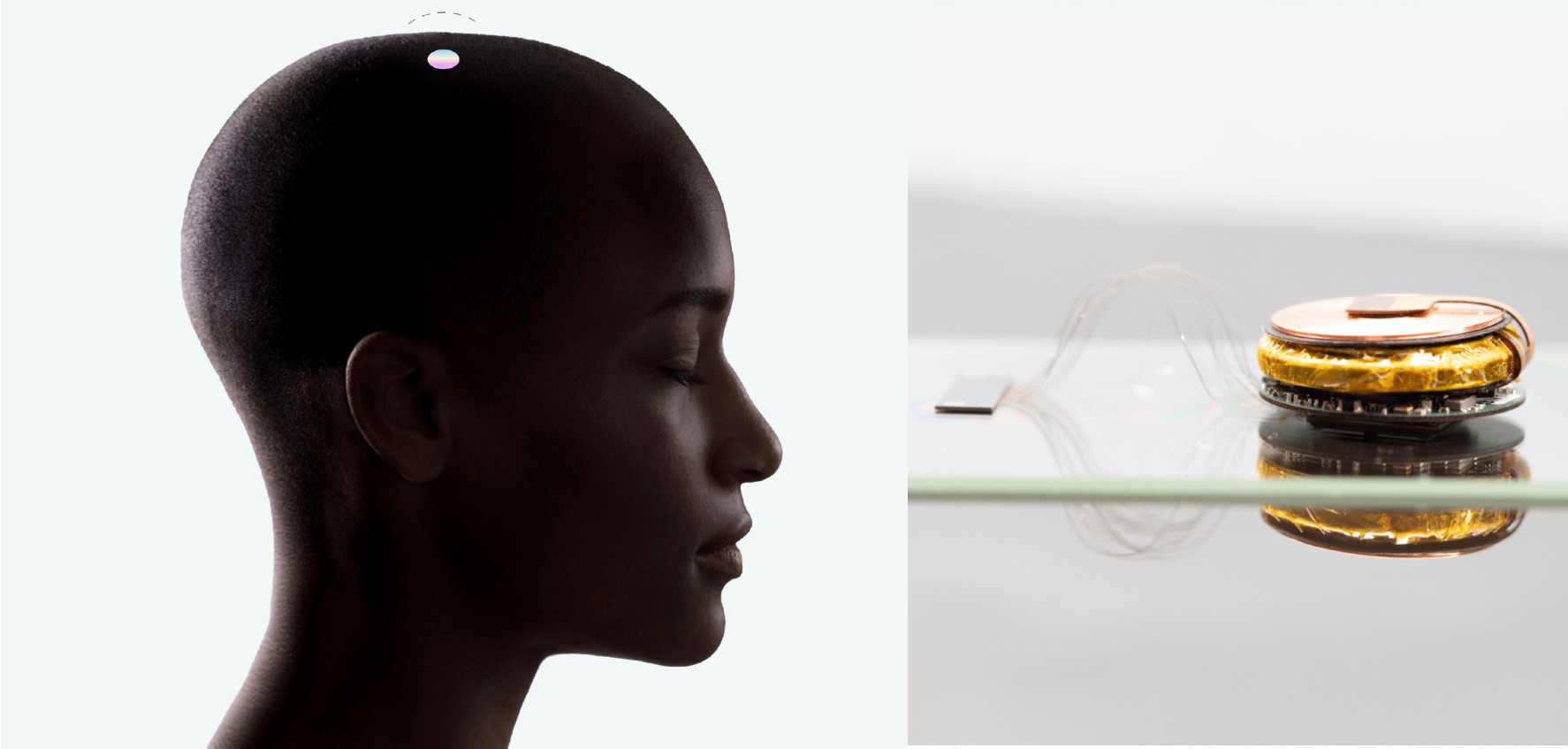
FREMONT, Calif. — "I'm texting you from my brain right now." That was the first message Lee Marten sent his family after waking from Neuralink surgery, a few hours after a robot had stitched dozens of fine threads into his motor cortex.
Marten, a former Vancouver police sergeant living with ALS, has become the 26th recipient of Neuralink's N1 brain-computer interface and the first Canadian with the disease to receive the implant. He shared his story in a detailed first-person account, offering a rare, personal look at what Elon Musk's neurotechnology can already do for people who have lost the ability to move and speak freely.
A New Way to Connect
ALS, also known as Lou Gehrig's disease, gradually takes away a person's ability to walk, speak, and eventually breathe. For Marten, the Neuralink implant restored something he thought he was losing: the ability to communicate on his own terms.
After a roughly seven-month evaluation at Toronto Western Hospital, he was accepted into the clinical trial and underwent surgery this past spring. A robotic system placed 64 threads into his brain, and the companion app, Link, began translating his neural signals into cursor control. He was moving a computer cursor with his thoughts within hours of waking up. The advance builds on earlier Neuralink milestones, including patients steering wheelchairs with their thoughts.
Daily Life With the Implant
Marten describes a routine that already feels remarkably ordinary. He runs weekly "brain training" exercises, watches a real-time display of his own neural activity, and charges the implant through a beanie-mounted wireless charger. Through the Link app and a device he calls the "Magic Box," he emails, texts, posts on social media, and even games — connecting the implant to the other technology in his life.
That kind of independence is the entire point of the N1 system. For someone whose voluntary movement is fading, being able to reach the outside world directly through thought is transformative, restoring agency and connection that a progressive illness would otherwise erode.
