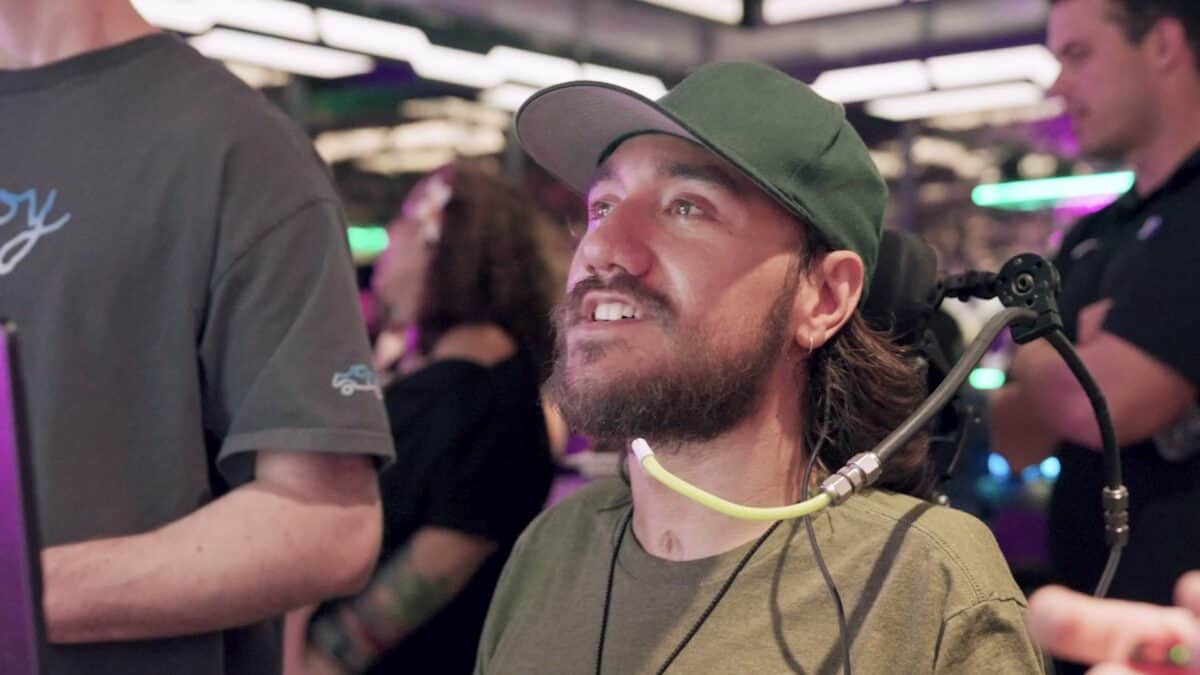
FREMONT, Calif. — Elon Musk said Neuralink intends to help paralyzed people walk and regain the use of their hands within the next several years, laying out the brain-computer interface company's most ambitious medical goal yet in a post on X on Friday evening.
The statement pushes Neuralink's mission beyond the computer control and communication tasks its implants already handle, toward directly restoring movement to people who have lost it. While Musk offered no timeline, trial name, or new clinical data, the remark frames motor restoration as the next frontier for a program that has moved quickly from first human implant to a growing roster of patients.
From Cursors to Limbs
Neuralink's current trials center on giving paralyzed users control over digital devices and, increasingly, physical ones. Patients in the company's studies have moved cursors, played games, and — through the CONVOY study — operated an assistive robotic arm with their thoughts. Others have steered wheelchairs and begun regaining a voice through speech-decoding work.
Restoring natural walking is a far harder problem. It requires reading movement intent from the brain and relaying it past a spinal injury to the muscles, or to an exoskeleton, with enough speed and precision to keep a body balanced and upright. Musk's comments suggest Neuralink believes the same high-channel-count implants decoding speech and arm motion today can eventually close that loop for the legs.
Building on a Fast-Moving Trial
The ambition rests on a trial base that has expanded rapidly through 2026. Neuralink has added patients across multiple countries, widened its studies with regulators, and already shown that thought alone can drive real-world hardware like wheelchairs. Each new participant adds data that sharpens the decoding models at the heart of the system.
Motor restoration would also draw on advances in Neuralink's surgical robot and higher-channel implants, which capture more neural signals per session. More channels mean richer movement intent — the raw material any walking system would need.
A Goal Worth Stating
Musk's framing matters because it sets a public target for a field that has long treated walking again as a distant hope. By naming it directly, Neuralink gives its researchers, patients, and regulators a shared destination, even if the first demonstrations remain years out.
For now, walking and hand restoration are stated goals rather than proven capabilities — a distinction Neuralink itself stresses. But the company's trajectory, from its first implant to speech and robotic-arm control, suggests the gap between aspiration and demonstration has been closing faster than many expected. More detail on Neuralink's roadmap is available on the company's own research and clinical-trial pages. If the next few years deliver even a partial version of Musk's vision, the payoff for people living with paralysis would be profound.