NHTSA Closes Four-Year Tesla Braking Probe, Finds No Defect

Federal regulators formally ended a 2022 investigation into unexpected braking on roughly 695,000 Model 3 and Model Y vehicles, finding no crashes, injuries, or defect after complaints fell to near zero.

3 min read
NHTSA Closes Four-Year Tesla Braking Probe, Finds No Defect

AUSTIN, Texas — Tesla has closed the books on one of its longest-running regulatory questions. On July 2, the National Highway Traffic Safety Administration formally ended its 2022 preliminary evaluation into unexpected braking on roughly 695,000 Model 3 and Model Y vehicles, concluding that the available data did not support a safety-defect finding.

A Four-Year Review Wraps Up

The probe, opened in February 2022, examined reports of so-called phantom braking, in which vehicles were said to slow unexpectedly while running Autopilot, Traffic-Aware Cruise Control, or Full Self-Driving. Across the life of the investigation, the agency said it identified no collisions, injuries, or fatalities tied to the events it reviewed.

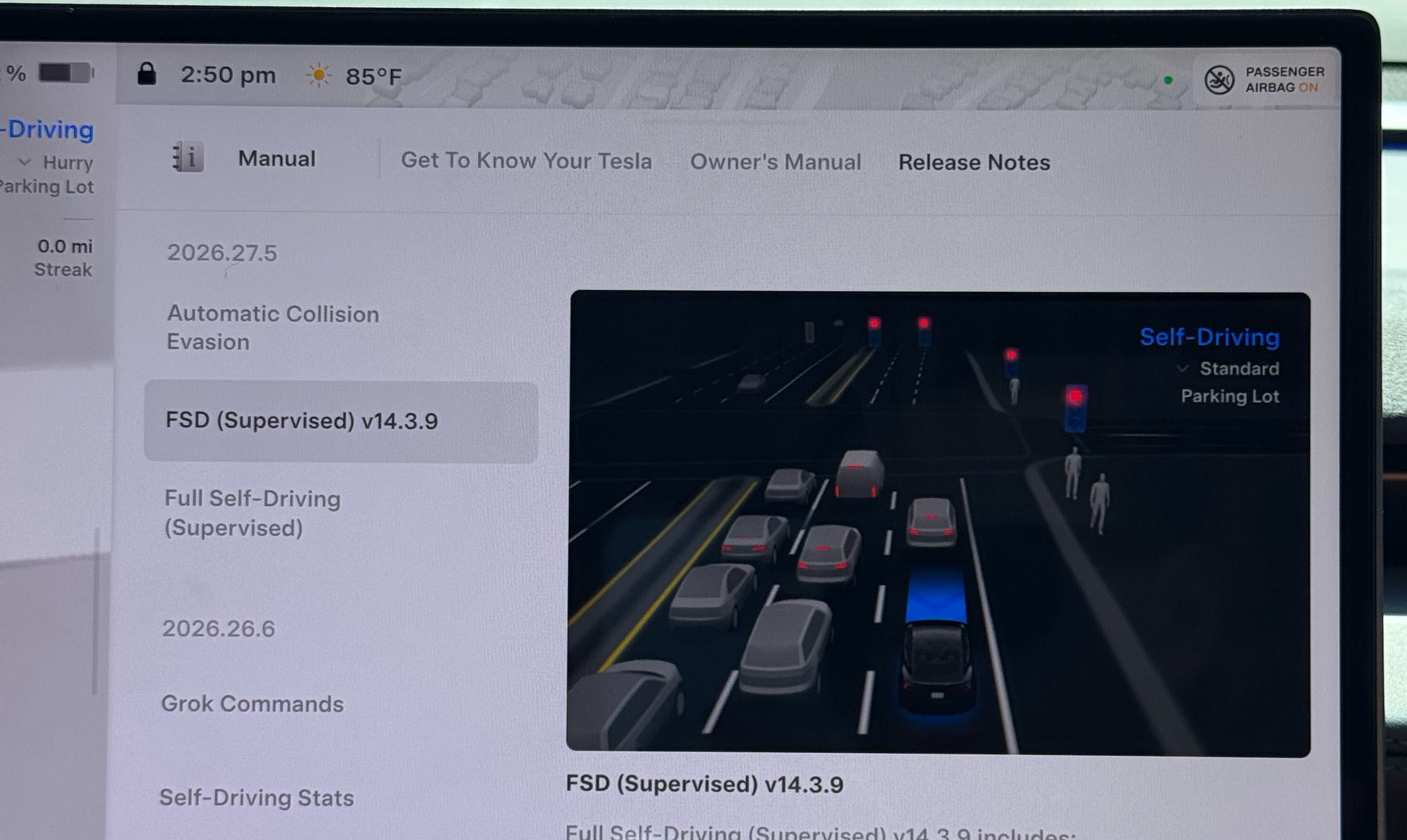
Just as telling was the trajectory of the complaints. Reports fell from a 2022 peak of more than 300 to 45 in 2024, 19 in 2025, and only three in the first half of 2026. Regulators credited over-the-air software updates Tesla began pushing in early 2022 with steadily driving the incidents down, a hallmark of the same continuously improving fleet that now spans more than 10 million self-driving-capable vehicles.

Why It Matters for the Autonomy Story

For a company whose valuation increasingly rests on autonomy, clearing a federal braking overhang is more than a footnote. It removes a line of attack critics had aimed at Tesla vision-first approach, and it lands just as the automaker widens the reach of its neural-network driving stack.

NHTSA Closes Four-Year Tesla Braking Probe, Finds No Defect — additional image

The agency noted that its review pointed to Tesla 2021 move from radar-plus-camera sensing to a vision-only architecture as a likely early contributing factor, a transition the company has since refined through successive builds. That camera-first philosophy now underpins newer features such as the planned cabin-camera driver checks for FSD, which verify who is behind the wheel before self-driving engages.

A Clean Slate Into Earnings

Regulators were careful to say that closing the evaluation does not permanently rule out a defect and that they retain the authority to reopen it if new information emerges. Even so, the practical takeaway is a win: after four years, the government own data showed a problem shrinking toward zero.

As CNBC reported, the agency cited the low demonstrated hazard and the steep drop in incident reports as central to its decision to wind the case down.

With the braking question resolved, Tesla heads into its July 22 earnings report with one less cloud overhead and a fresh piece of evidence that its software-first safety model is doing what it was designed to do. For a fleet that keeps getting smarter with every mile driven, that is precisely the kind of third-party validation the company has been working toward.