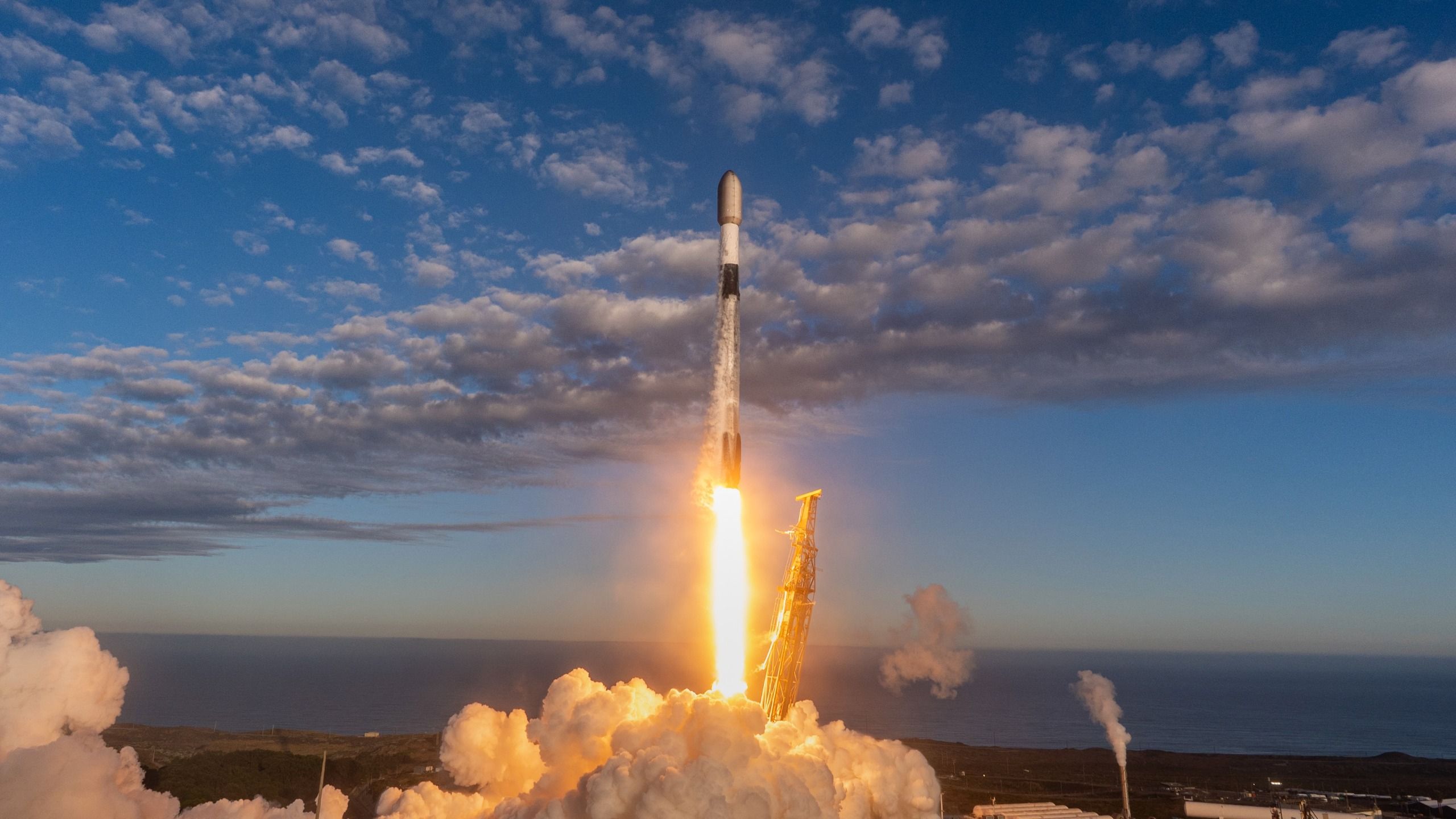
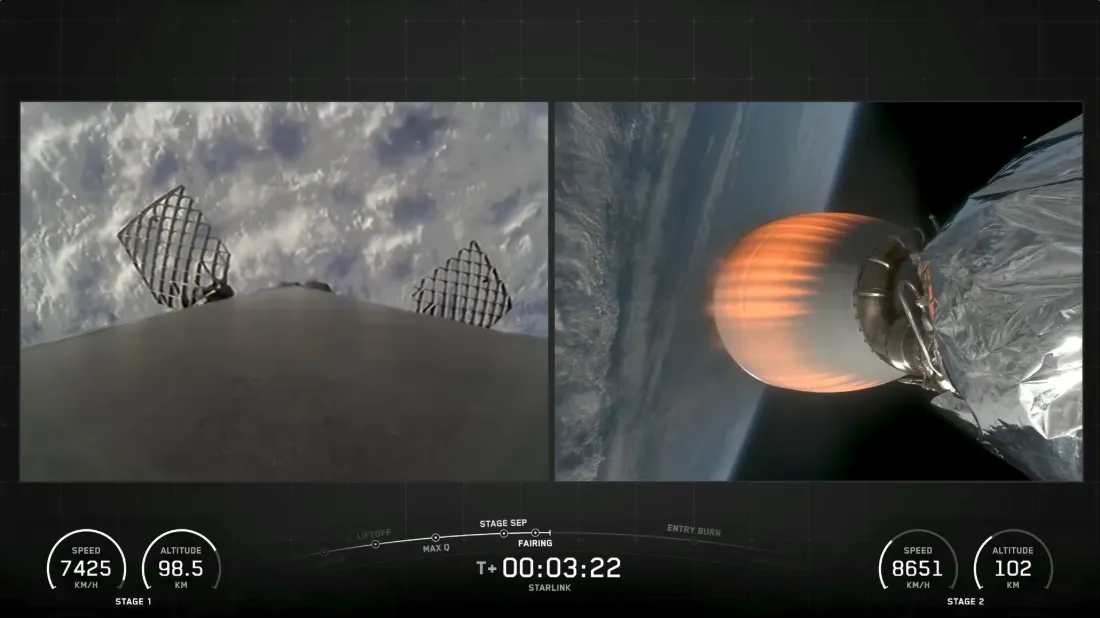
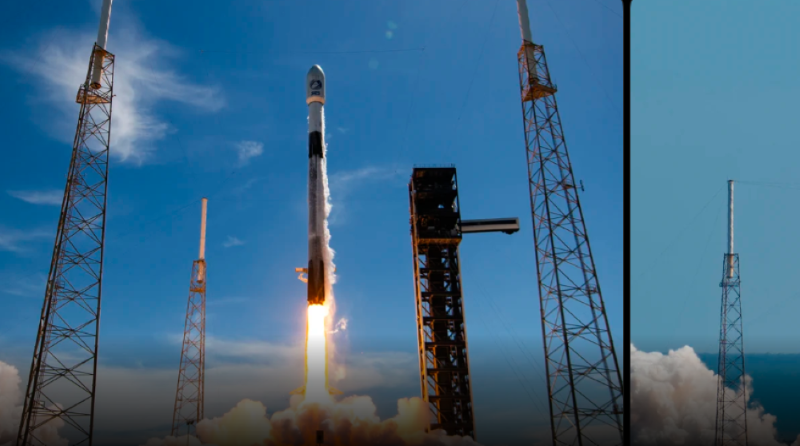
HAWTHORNE, Calif. — SpaceX is rewriting its own record books again. A Falcon 9 rocket lofted 27 Starlink satellites from Vandenberg Space Force Base on September 6, marking the company's 103rd Falcon 9 flight of 2026 and its 80th Starlink mission of the year.
The launch, Starlink Group 15-24, cleared the pad at 7:26 a.m. PDT, and about 8.5 minutes later the first-stage booster, B1088, touched down on the droneship Of Course I Still Love You in the Pacific. It was the 19th flight for that booster, part of a broader reuse program that recently saw a separate booster, B1067, notch its 37th flight on August 25 to set the current fleet record. The launch built on the heavy Starlink cadence out of California.
A Record-Setting Pace
At 103 Falcon 9 missions before the end of the first week of September, SpaceX is on track to shatter its previous annual launch record by a wide margin. Starlink deployments account for 80 of those flights, roughly 78 percent of the manifest, as the company continues to build out the world's largest satellite network. The relentless tempo is only possible because of rapid booster turnaround, the same reusability advantage on display when a veteran booster logged its 35th flight earlier this month.
Reusability Is the Engine
The reuse numbers explain the cadence. A booster like B1088 has flown national-security payloads including NROL missions, the SPHEREx observatory and Transporter rideshares, then returned to service again and again for Starlink. Each recovered stage saves both money and build time, letting SpaceX fly more often than any launch provider in history while keeping costs low enough to fund its constellation ambitions.
More Than 11,000 Satellites Working
The September 6 flight pushed an already massive network further. Independent tracking now counts more than 11,000 active Starlink satellites in orbit, each equipped with optical inter-satellite laser links running at up to 200 gigabits per second. Those laser paths route traffic through space rather than relying solely on ground stations, extending coverage across oceans and remote terrain and underpinning services from home broadband to aviation and maritime connectivity, as chronicled in the launch recap.
The Next Chapter
SpaceX is engineering a transition toward far larger Version 3 Starlink satellites, with Elon Musk targeting a constellation of up to 100,000 spacecraft. Reaching that scale means shifting deployment from Falcon 9 to the fully reusable Starship, whose heavy-lift capacity is designed for exactly this kind of high-volume work. Until then, Falcon 9 keeps setting the pace, and 2026 is already the most prolific launch year in spaceflight history.