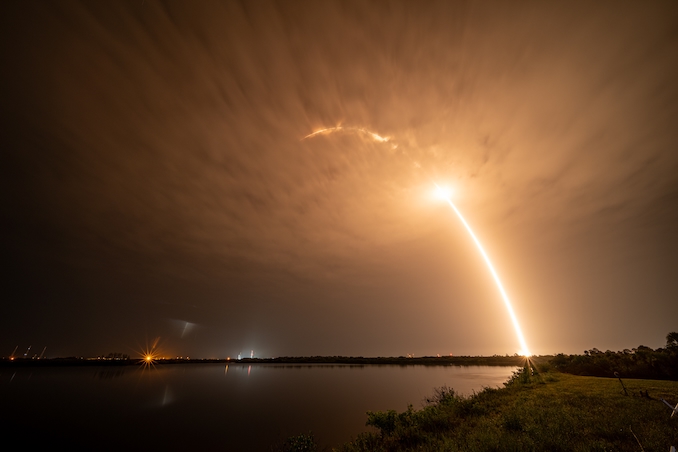
CAPE CANAVERAL, Fla. — SpaceX crossed another reusability milestone this week, flying a flight-proven Falcon rocket booster for the 600th time when it launched the Starlink 10-45 mission from Cape Canaveral Space Force Station in the predawn hours of July 14. The flight added 29 more broadband satellites to a low Earth orbit constellation that now numbers well over 10,800 spacecraft.
Liftoff from Space Launch Complex 40 came at 5:10 a.m. EDT, with the rocket arcing northeast over the Atlantic. The 600th reflight is not just a round number; it is a running tally of how thoroughly SpaceX has rewritten the economics of getting to orbit, a theme that also runs through its record-setting Falcon 9 launch cadence this year.
A Workhorse Named B1080
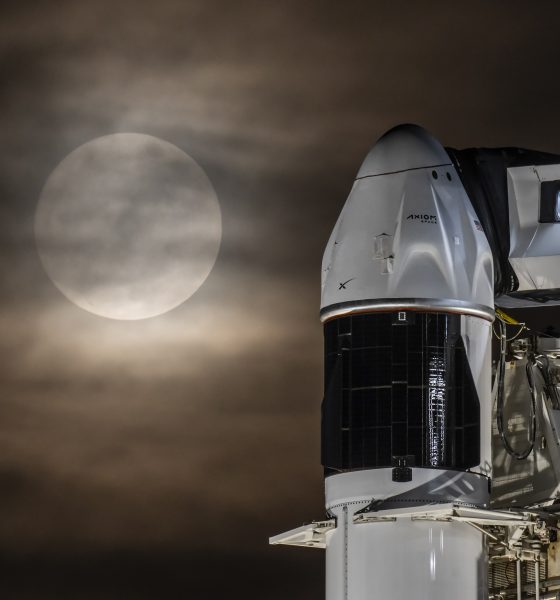
The booster behind the milestone, tail number B1080, was making its 28th flight. Its résumé is a snapshot of SpaceX's range: two crewed missions for Axiom Space, the European Space Agency's Euclid observatory and Northrop Grumman's NG-21 cargo run, and now a steady rhythm of Starlink deployments. Roughly 8.5 minutes after liftoff, B1080 touched down on the droneship A Shortfall of Gravitas in the Atlantic, the 161st landing on that vessel and the company's 638th booster recovery overall.
That pairing of numbers, 600 reflights and 638 landings, tells the story. What was once a single-use commodity is now routine, refurbished hardware turned around again and again, driving the launch prices and cadence rivals are still racing to match.