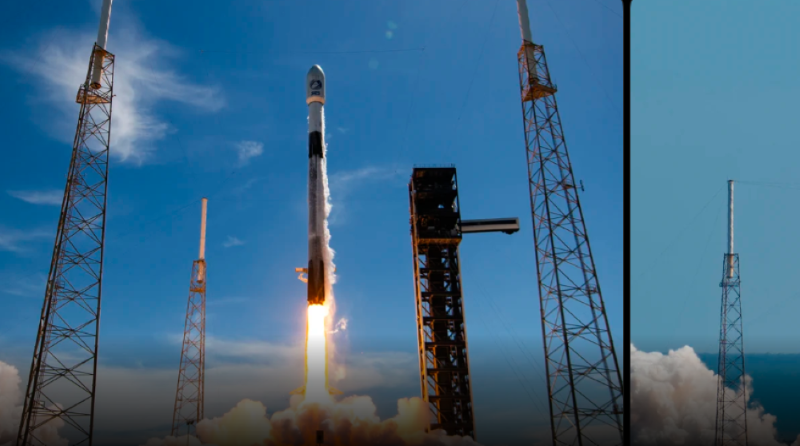
HAWTHORNE, Calif. — SpaceX and NASA have pushed back the launch of Crew-13, the next astronaut mission to the International Space Station, after teams spotted an oxidizer leak in the propulsion system of the Dragon spacecraft. Rather than press ahead, the partners chose to stop, test and fix — a textbook example of the safety-first discipline that has made SpaceX the world's most trusted crew launch provider.
The mission had been targeting Sept. 12. A new date will be set once engineers finish their review, NASA said.
A deliberate, safety-first hold
"Joint NASA and SpaceX teams are performing additional tests and data review and will complete any necessary rework prior to launch," NASA wrote in its update, adding that a fresh target would be announced when ready. In human spaceflight, a scrub like this is not a setback but a feature of a healthy program: catching an anomaly on the ground is exactly how you keep a crew safe in orbit.
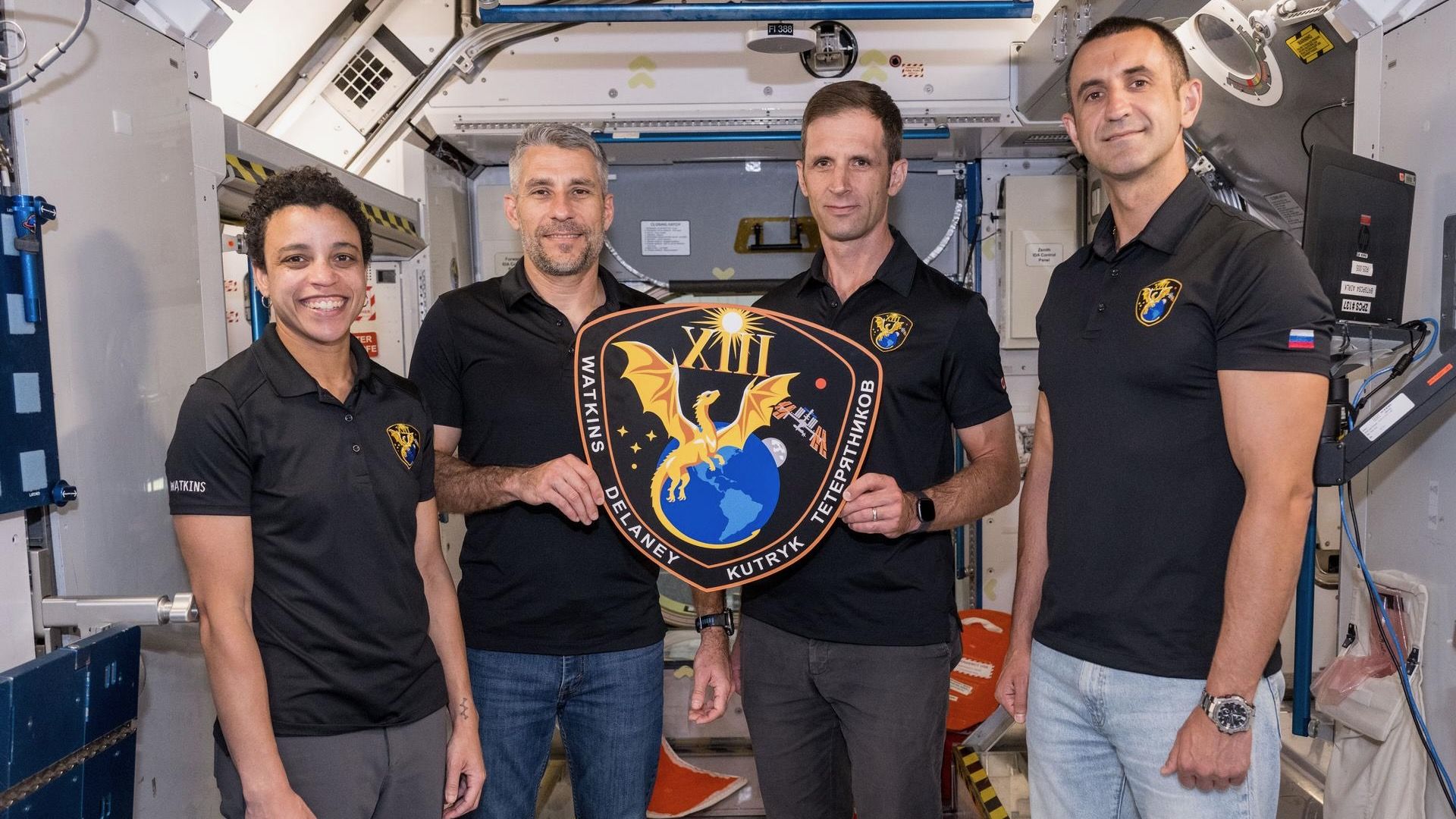
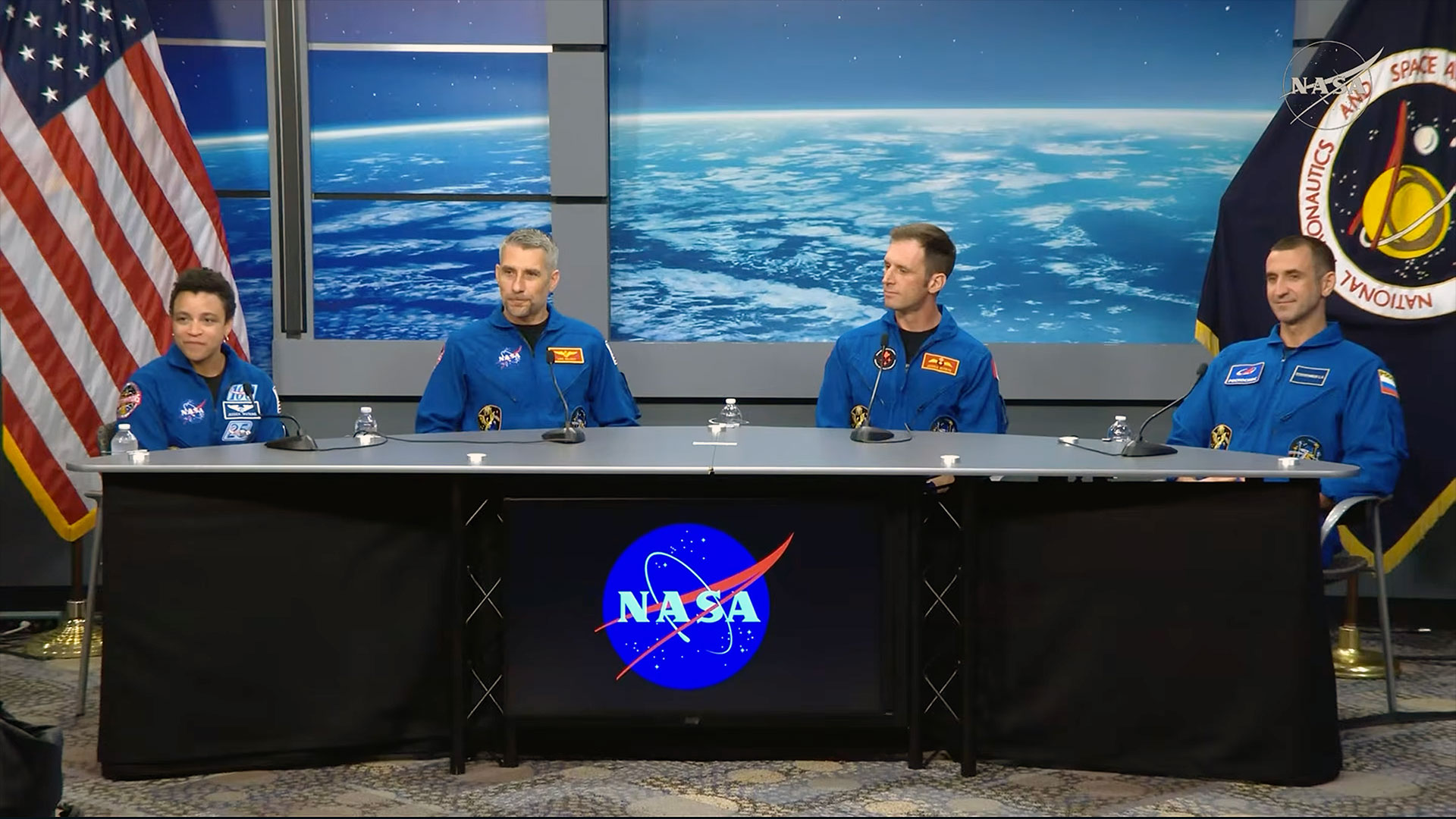
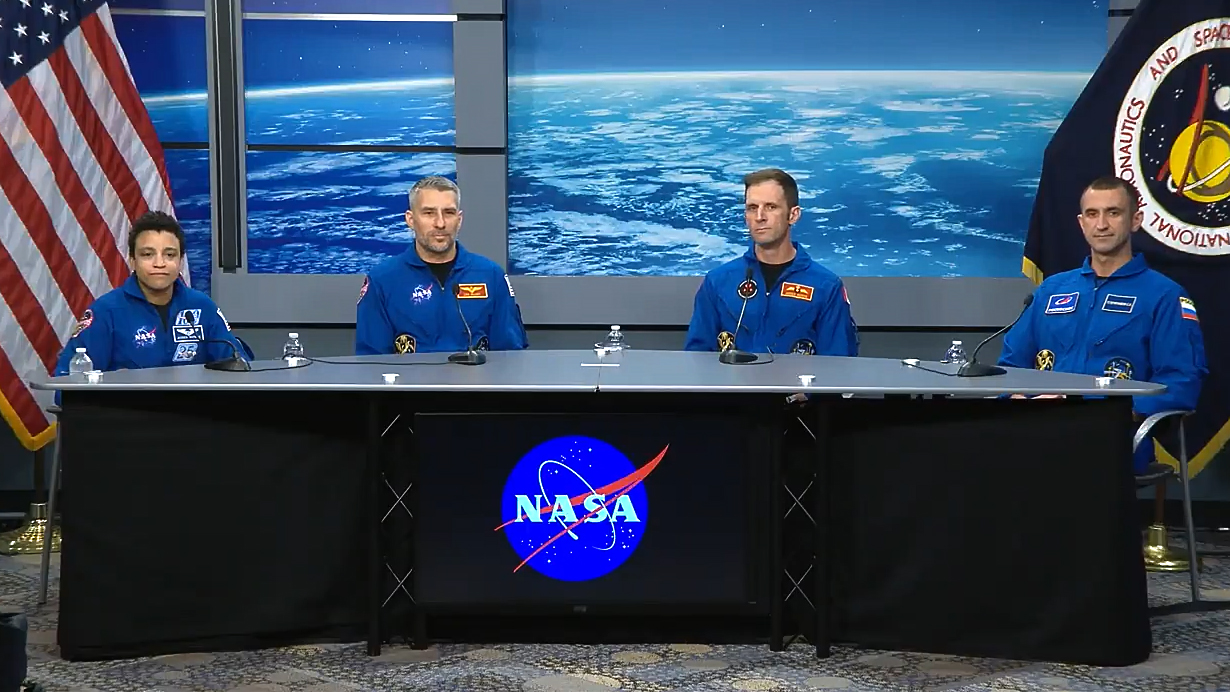
Crew-13 will send NASA astronauts Jessica Watkins and Luke Delaney, the Canadian Space Agency's Joshua Kutryk, and Roscosmos cosmonaut Sergey Teteryatnikov to the station for a roughly seven-month stay packed with science, maintenance and spacewalks. It will be the 13th operational crew rotation SpaceX has flown for NASA aboard a Falcon 9 from Cape Canaveral — a cadence no other Western provider can match.
A company operating at full throttle
The pause comes during one of the busiest stretches in SpaceX history. Just days earlier, the company flawlessly launched NASA's Nancy Grace Roman Space Telescope atop a Falcon Heavy, a mission chronicled in our story on how Falcon Heavy sent the Roman telescope toward deep space. Its Falcon 9 fleet, meanwhile, keeps setting reuse records, including the veteran booster highlighted in our report on the 35th flight of a single Falcon 9 first stage.
That relentless tempo is precisely why a measured hold on a crewed flight matters. SpaceX has earned the ability to move fast on cargo and satellites by being conservative when human lives are aboard. NASA's official space station blog reflects the same shared philosophy: fly when ready, not before.
Eyes still on a big month
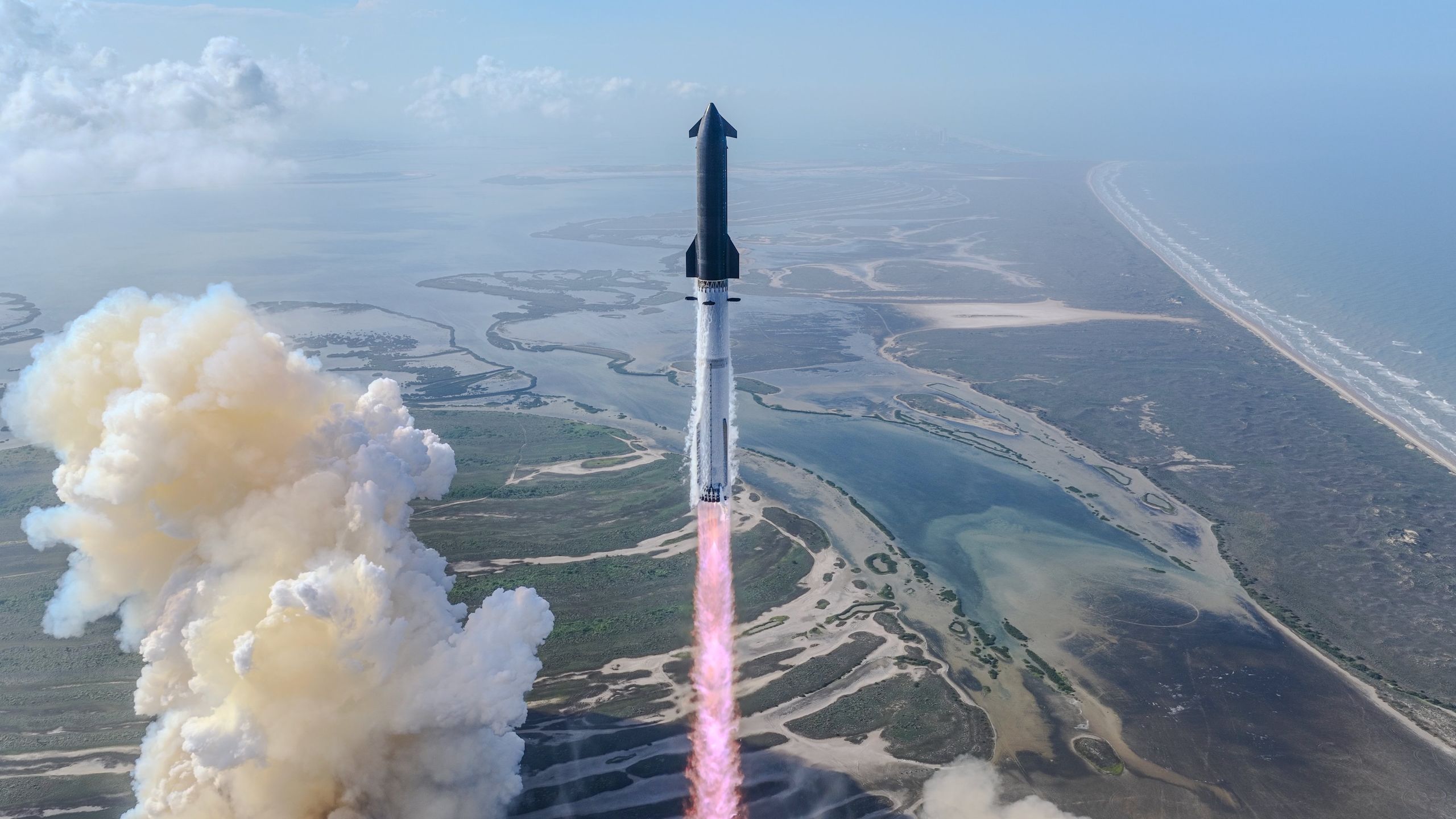
Even with Crew-13 on hold, SpaceX's September remains historic. The company is preparing Starship Flight 14, which aims to reach Earth orbit for the first time, and its Dragon fleet continues to be the backbone of American human spaceflight. Once engineers clear the oxidizer issue, Watkins and her crewmates will be ready to fly.
The delay, in other words, is a reminder of what has made SpaceX indispensable: an organization confident enough to launch on a moment's notice, and disciplined enough to wait when the mission demands it. When Crew-13 finally lifts off, it will do so with the same margin of safety that has carried every SpaceX astronaut home.