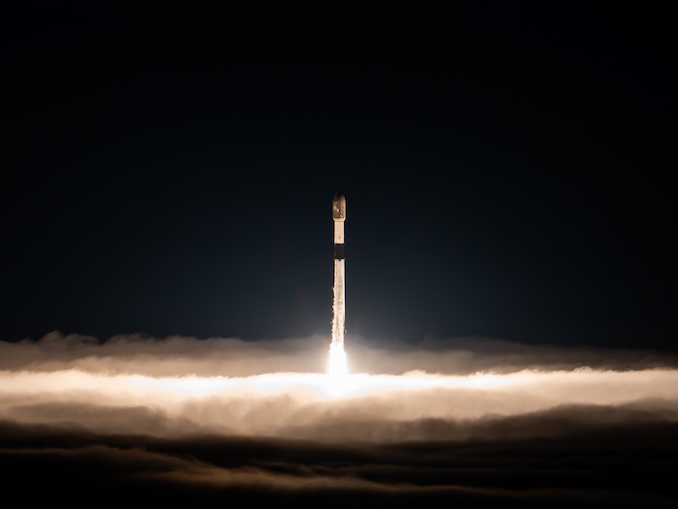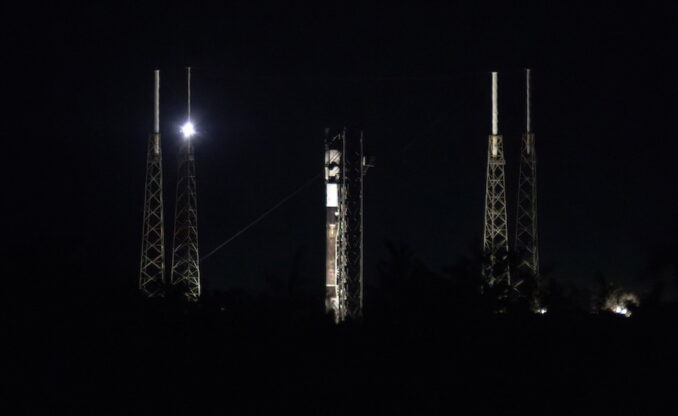
CAPE CANAVERAL, Fla. — SpaceX pushed rocket reuse into new territory early Tuesday, launching a Falcon 9 first stage on its record-breaking 37th flight from Space Launch Complex 40 at Cape Canaveral Space Force Station. The booster, tail number B1067, first flew in June 2021 and has now outpaced every other rocket stage in the world by a wide margin.
The mission carried 29 Starlink satellites to low Earth orbit, adding to a constellation that already numbers more than 11,000 operational spacecraft. It also marked the 100th Falcon 9 launch of 2026, underscoring a launch cadence no other provider has come close to matching. SpaceX's relentless pace this year has been powered by the same trait on display Tuesday: booster reuse that keeps driving the cost of access to orbit lower.
A Fleet Built to Fly Again
B1067's 37th flight is not an outlier so much as the leading edge of a deep bench. SpaceX now operates six Falcon 9 boosters with at least 30 flights each, a group that includes B1071 at 35 flights and B1063 at 34. Each additional flight validates the refurbishment process that turns a returning booster around for another mission in a matter of weeks rather than months.
Roughly 8.5 minutes after liftoff, B1067 descended to a pinpoint landing on the droneship A Shortfall of Gravitas, stationed in the Atlantic. The recovery marked another in a string of successful landings that has made touchdowns look routine — a feat that was still considered science fiction a decade ago. That reliability has become the backbone of the company's growing Starlink network, which depends on a steady drumbeat of launches to expand coverage worldwide.