CAPE CANAVERAL, Fla. — After roughly 260 Starlink missions from Florida's Space Coast, SpaceX has flown its last planned Falcon 9 Starlink launch from the East Coast — not because the rocket faltered, but because something bigger is ready to take its place.
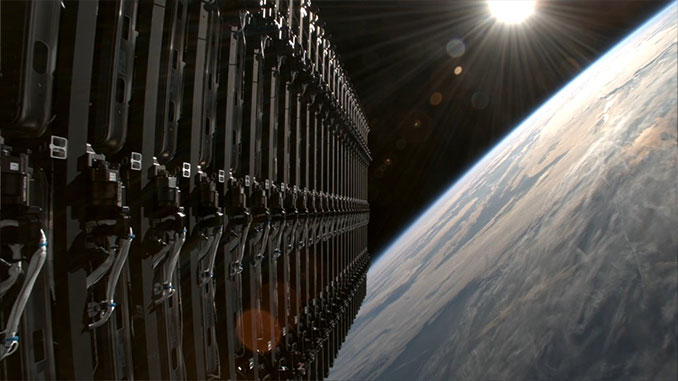
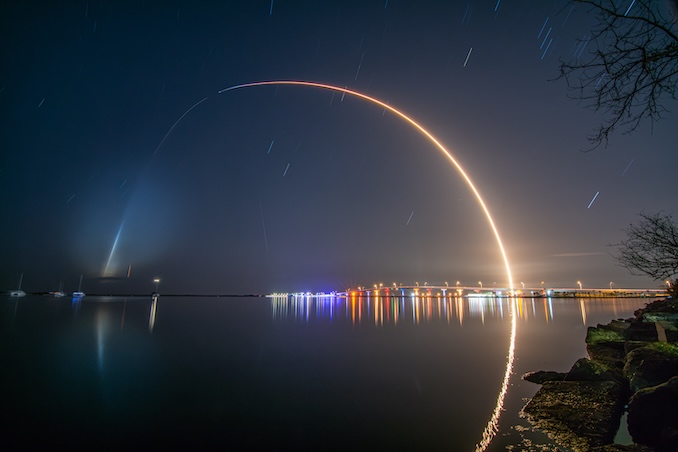
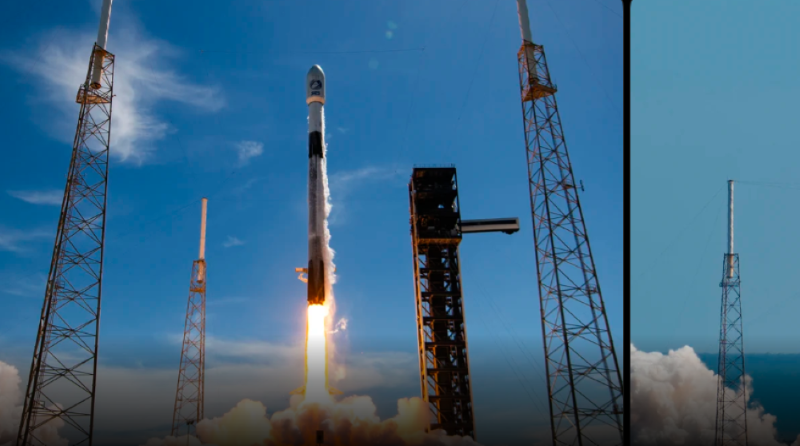
The milestone came after a Falcon 9 lifted 29 Starlink satellites from Space Launch Complex 40 at Cape Canaveral, riding the company's fleet-leading booster. Hours later, SpaceX Vice President of Launch Kiko Dontchev confirmed it was the final planned Falcon 9 Starlink flight from Florida. "Marking the end of an era for these launches on the East Coast," he wrote. "From here on, Starlink missions out of Florida will fly on Starship."
Passing the Torch, Not Retiring the Rocket
This is a handoff, not a retreat. Dontchev was effusive about the team behind the transition, saying they had "made Falcon 9 the most reliable launch vehicle in history" and helped "build the largest low-Earth orbit satellite constellation providing connectivity to millions around the world." That constellation has only grown — SpaceX recently passed 11,000 Starlink satellites in orbit, and the company has flown more than 2,000 of them just this year.
Falcon 9 is not going anywhere on the West Coast. Dontchev confirmed the Vandenberg team will "continue regularly launching Starlink from Vandenberg," and the workhorse rocket remains SpaceX's busiest vehicle by far. The move simply shifts Florida's Starlink duty to the vehicle built to carry far more satellites per flight.
Why Starship Changes the Math
The logic is straightforward: Starship can loft a dramatically larger batch of next-generation Starlink satellites in a single flight, and its full reusability is designed to slash the cost of each one. Concentrating Florida's Starlink launches on Starship lets SpaceX pour its Cape Canaveral capacity into the vehicle meant to define the next decade of spaceflight. It fits the timeline Musk has laid out, including his stated condition for eventually winding down Falcon 9 once Starship is flying reliably and often.
There is a near-term trade-off. The shift temporarily trims Florida's monthly launch cadence until Starship begins flying Starlink from the Cape, a gap that closes as Starship ramps. But the direction is unmistakable, and it dovetails with SpaceX's just-announced $100 billion Starbase in Louisiana — a second spaceport built for thousands of Starship flights a year.
An Inflection Point on the Space Coast
For more than seven years, Falcon 9 defined what routine access to orbit looked like from Florida, turning rocket launches into a near-weekly event and building the backbone of global satellite internet. Ending that chapter is a measure of how far SpaceX has come: the company is confident enough in Starship to hand it the franchise. Investors have taken note, with SpaceX shares trading near $138 amid a strong month for space stocks, as noted in Benzinga's report on the transition. The last Florida Falcon 9 Starlink launch is really the first step toward a Space Coast where Starship does the heavy lifting.