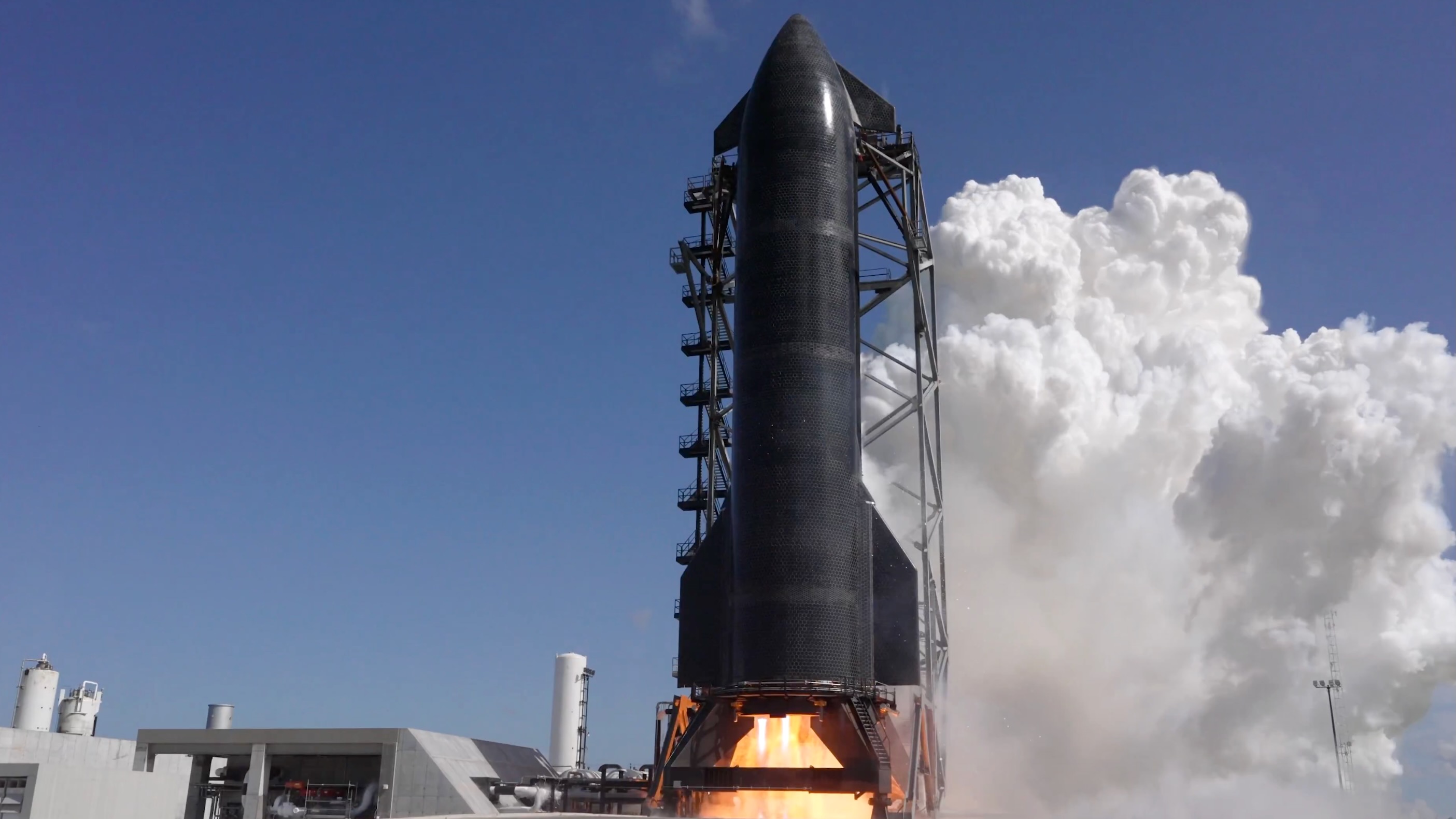
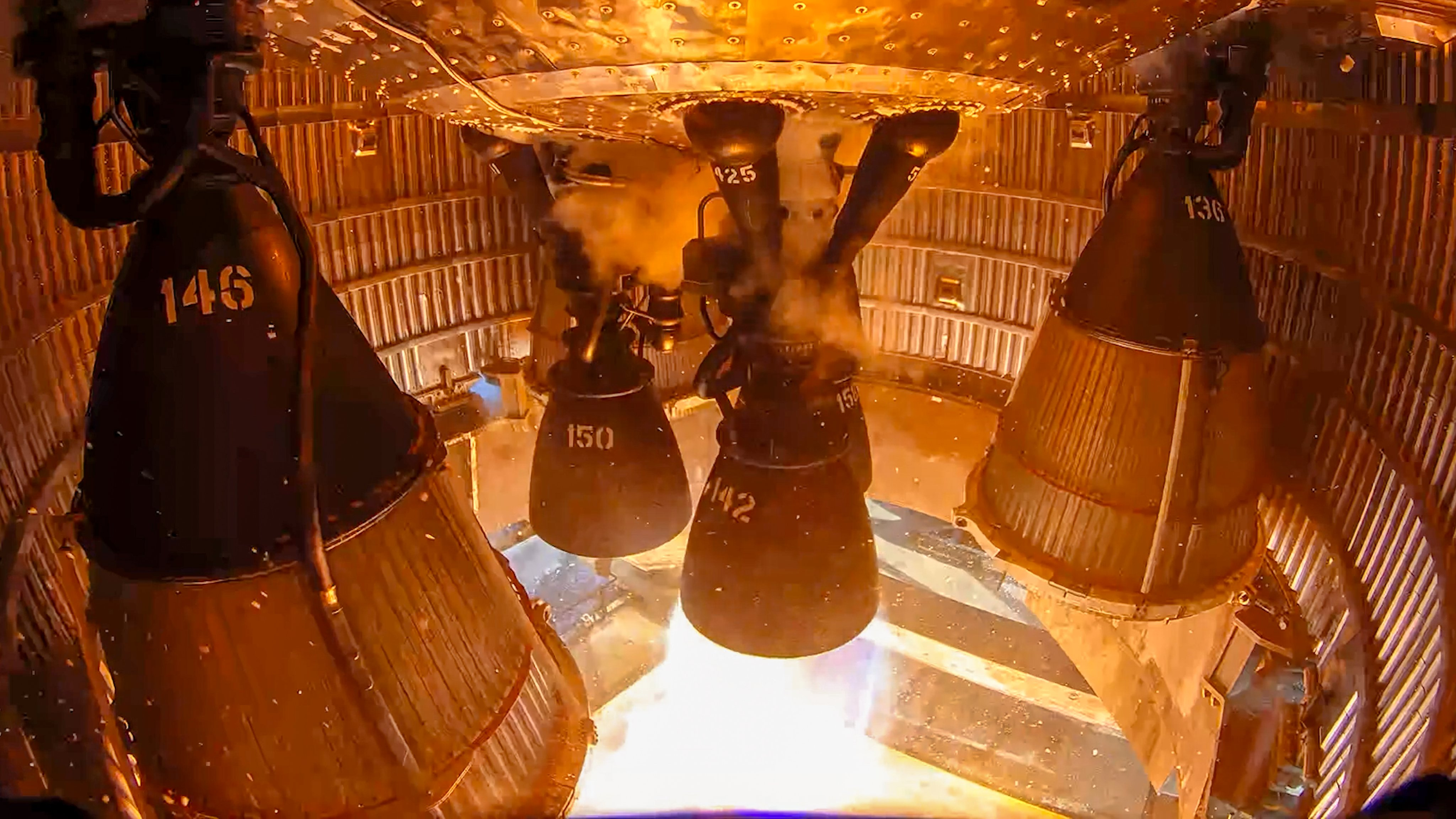
BOCA CHICA, Texas — SpaceX moved a step closer to its next Starship launch on July 2, firing all six Raptor engines on Ship 40 for a full minute at Starbase and putting the second Version 3 flight within reach before summer''s end.
The static fire, posted to SpaceX''s channels on Thursday, came less than a week after Ship 40''s debut test and showed the upper stage running under flight-like conditions.
A full-duration test
Ship 40 lit all six of its Raptors — three sea-level and three vacuum-optimized engines — for roughly 60 seconds at the Massey test site. The burn followed the vehicle''s first-ever static fire the previous week, when SpaceX ignited a single engine for about 15 seconds. Stepping from one engine to a full six-engine, full-duration firing in a matter of days signals how quickly the hardware is maturing.
Ship 40 is slated to fly the 13th test flight of a fully stacked Starship, the second outing for the upgraded V3 vehicle that debuted in May. The company''s test cadence has been relentless across every part of the program, mirroring the pace SpaceX has set on the orbital side as it tracks toward more than 140 Falcon launches this year.
What Flight 13 will attempt
Flight 13 is expected to repeat much of the profile flown on the previous mission, including relighting a Raptor in space and refining the booster''s return maneuvers. Standing 408 feet tall, the V3 Starship is the largest and most powerful rocket ever built, engineered for rapid reuse and eventual point-to-point turnaround.
The vehicle is central to SpaceX''s biggest ambitions, from expanding the Starlink constellation to landing NASA astronauts on the Moon under Artemis — a cadence that has already prompted the agency to modernize its Kennedy Space Center launch infrastructure to keep up.
Next up: the booster
With Ship 40 checked out, attention now turns to the Super Heavy booster, which will roll to the pad for its own static fire of all 33 Raptor engines — a powerplant that produces nearly 20 million pounds of thrust at liftoff. Space.com reported that, should those booster tests go smoothly, Flight 13 could happen as early as August.
Each rapid-fire test brings SpaceX closer to a fully operational, fully reusable Starship. If the booster clears its checkouts on the same accelerated timeline as Ship 40, the world''s most powerful rocket could be back in the sky within weeks — another data point in a development program moving faster than any in spaceflight history.