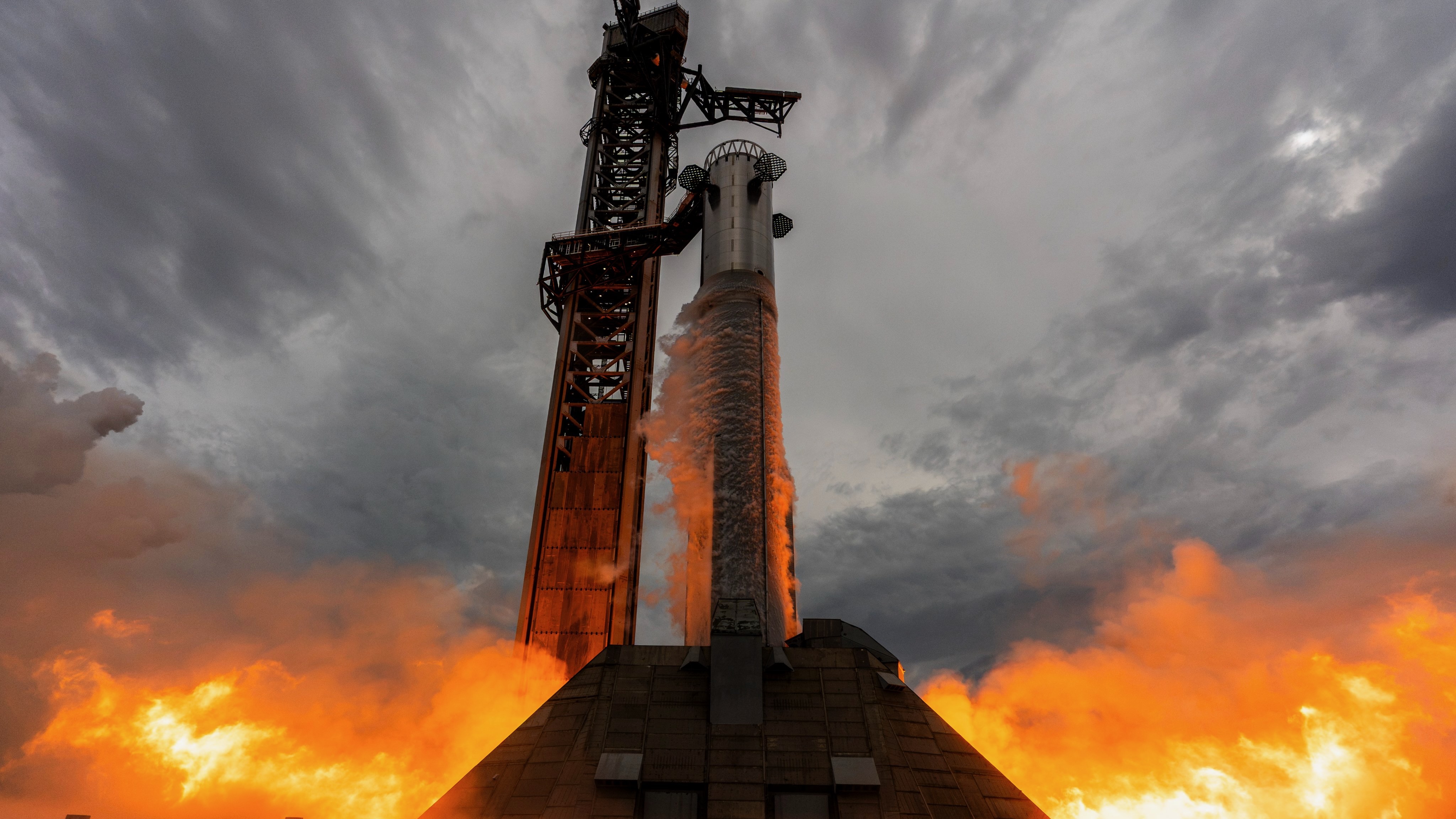
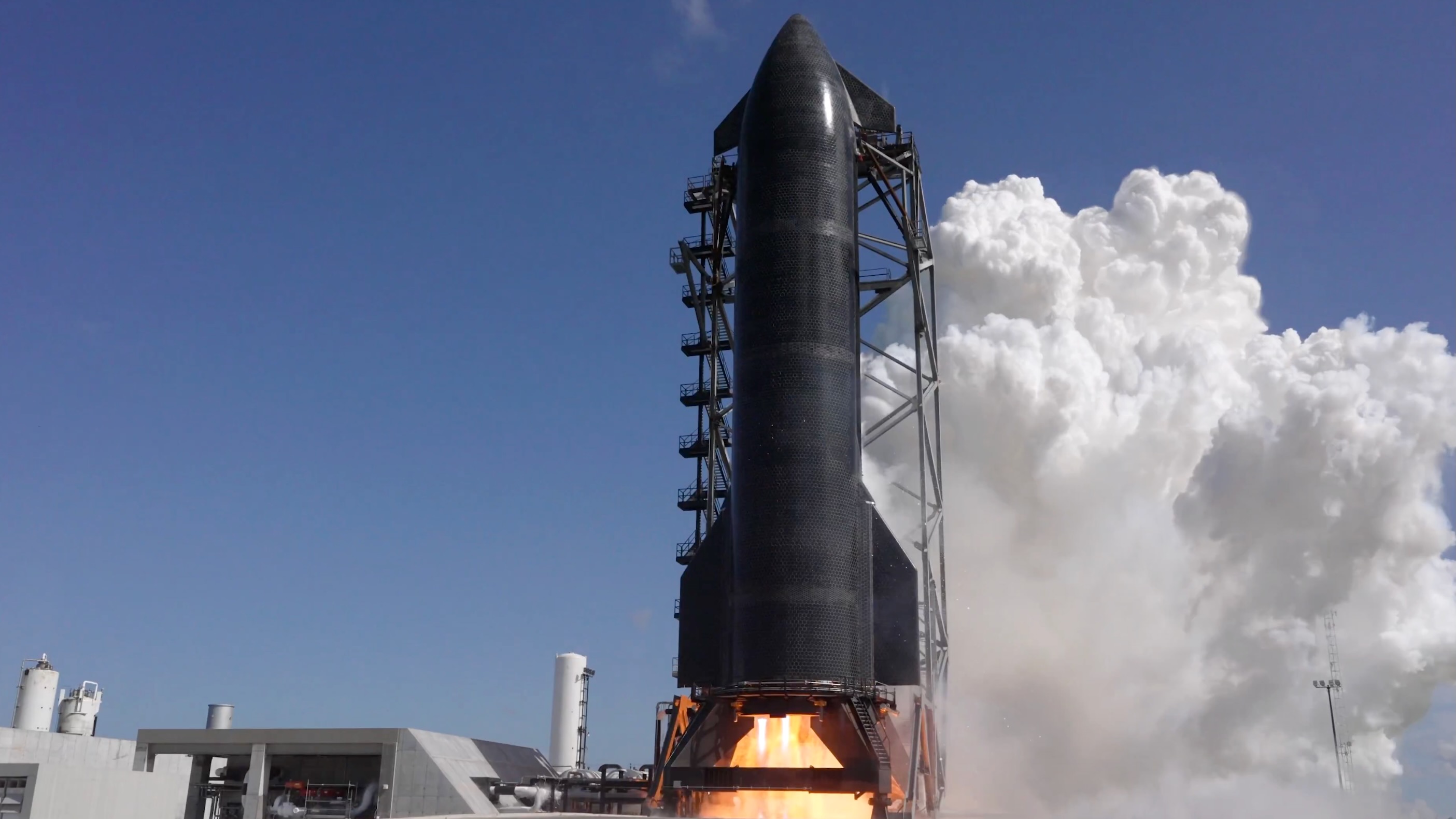
HAWTHORNE, Calif. — SpaceX is planting its flag in a new state, unveiling plans for a sprawling launch complex in Louisiana that Elon Musk says could one day become the busiest spaceport on Earth.
Announced with the Louisiana Economic Development Office, the facility — to be called Starbase, Louisiana — will sit near Vermilion Parish and is designed to support thousands of Starship flights a year once fully built. Musk framed the ambition in characteristically large terms, saying the site will ultimately have more than a dozen launch towers, enabling more than 30 Starship flights per day and making it the biggest launch site on the planet. It is the natural next step for a program racing to lift operational payloads to orbit at ever-higher cadence.
A $100 Billion Bet on Cadence
The numbers behind the plan are as big as the vision. SpaceX intends to invest at least $100 billion into the complex over its lifetime and expects it to create more than 3,000 new jobs in the region, a substantial economic boost for coastal Louisiana. The first launch from the site is targeted for 2029.
The strategic logic is launch frequency. Reusable Starships are meant to fly again and again, and the constraint on that vision is ground infrastructure — pads, towers, and the ability to turn vehicles around quickly. A purpose-built megasite with more than a dozen towers is how SpaceX turns a rapidly reusable rocket into a true assembly-line launch operation, the same manufacturing mindset behind its vertical integration of key components.
Building With the Coast in Mind
SpaceX paired the announcement with a detailed environmental commitment, acknowledging that operations near marshland require care. The company said it will partner with state and federal agencies on Louisiana's Coastal Master Plan, adding Gulf shoreline breakwaters to slow erosion that currently claims between 3.3 and 23 feet of shoreline a year in Vermilion Parish.
The plan also calls for thousands of acres of marsh creation using dredged and offshore sediment, interior marsh-bank stabilization, and the rebuilding of habitat lost to erosion and old canals. SpaceX said it will not develop the full footprint of the land, preserving wetlands and high-value habitat on Pecan Island for migratory waterfowl and shorebirds, and will work with wildlife agencies so hunting, fishing, and birding can continue. As Teslarati reported, SpaceX shares rose about 2.5 percent on the news.
Part of a Growing Footprint
Louisiana joins a widening SpaceX launch map that already spans Texas, Florida, and California. The company is advancing Starship infrastructure at Cape Canaveral for an East Coast debut while continuing to expand its Starbase home in South Texas, and a second Gigabay assembly building is rising in Florida.
Taken together, the moves sketch a future in which Starship launches become routine rather than rare — a network of high-capacity spaceports feeding a constellation, lunar missions, and eventually Mars. For a region long tied to energy and shipbuilding, Starbase Louisiana offers a stake in the next chapter of American spaceflight, and for SpaceX it is another pad, quite literally, for the cadence its reusable rockets were built to achieve.