HAWTHORNE, Calif. — SpaceX is setting a launch pace no company has matched. The operator opened the second half of 2026 having launched roughly 1,600 Starlink satellites in the first six months of the year, pushing its low-Earth-orbit constellation past 10,700 active spacecraft — and it shows no sign of slowing down.
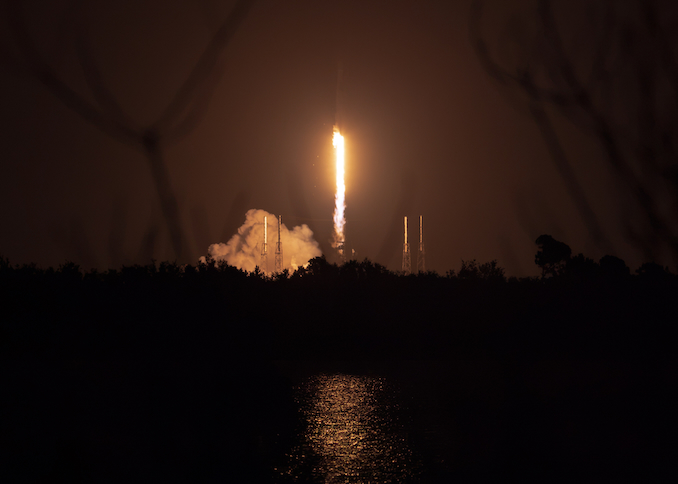
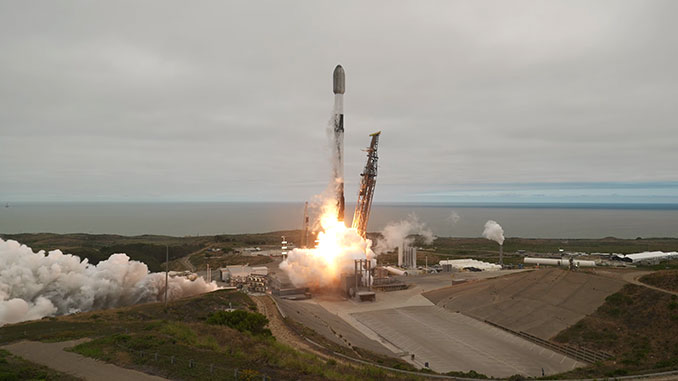
The tempo is remarkable in aggregate. This month's flights have already carried SpaceX past its 62nd Starlink delivery mission of 2026, on top of dozens of additional launches for commercial and government customers. When SpaceX opened the second half of the year with a Vandenberg mission, it was simply the latest entry in a cadence that now runs several launches a week.
Reusability makes it possible
The engine behind that rhythm is booster reuse. On a recent Vandenberg mission, a Falcon 9 first stage flew for its seventh time and notched SpaceX's 632nd booster landing overall. Rapid refurbishment and drone-ship recoveries let SpaceX fly the same hardware again and again, driving down cost per launch and freeing the company to treat orbit as routine rather than exceptional.
That reliability is why SpaceX can add two dozen or more Starlink satellites to orbit in a single flight while still flying paying customers, rideshare payloads and national-security missions on the side.