HAWTHORNE, Calif. — SpaceX extended its record-setting launch cadence over the weekend, sending 27 more Starlink satellites toward orbit on a Falcon 9 rocket from California and landing the booster at sea for reuse yet again.
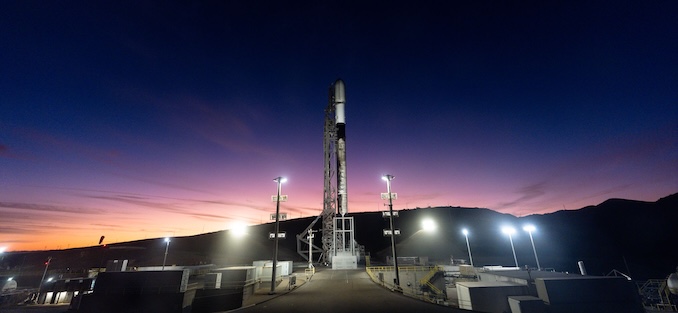
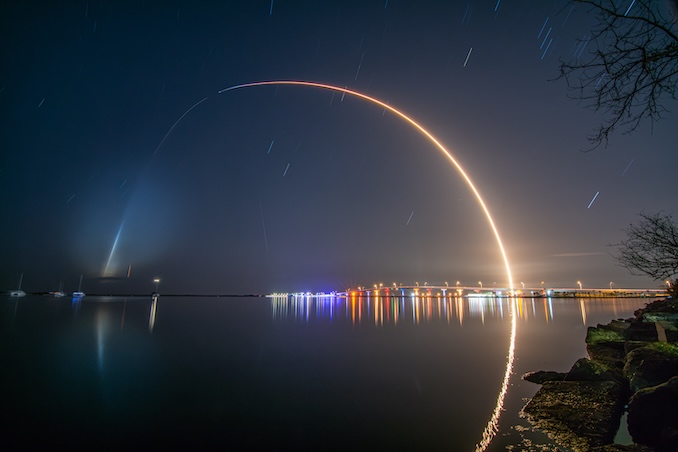
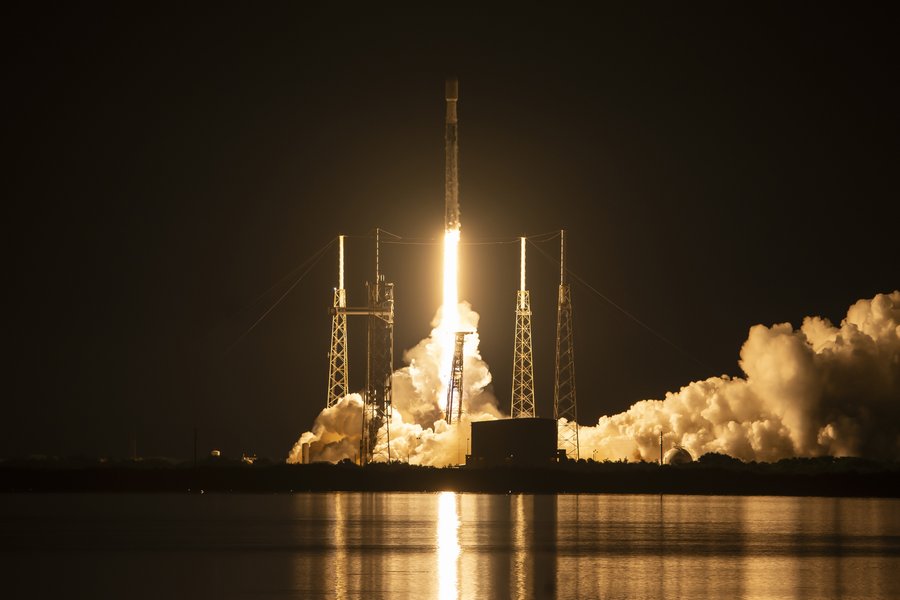
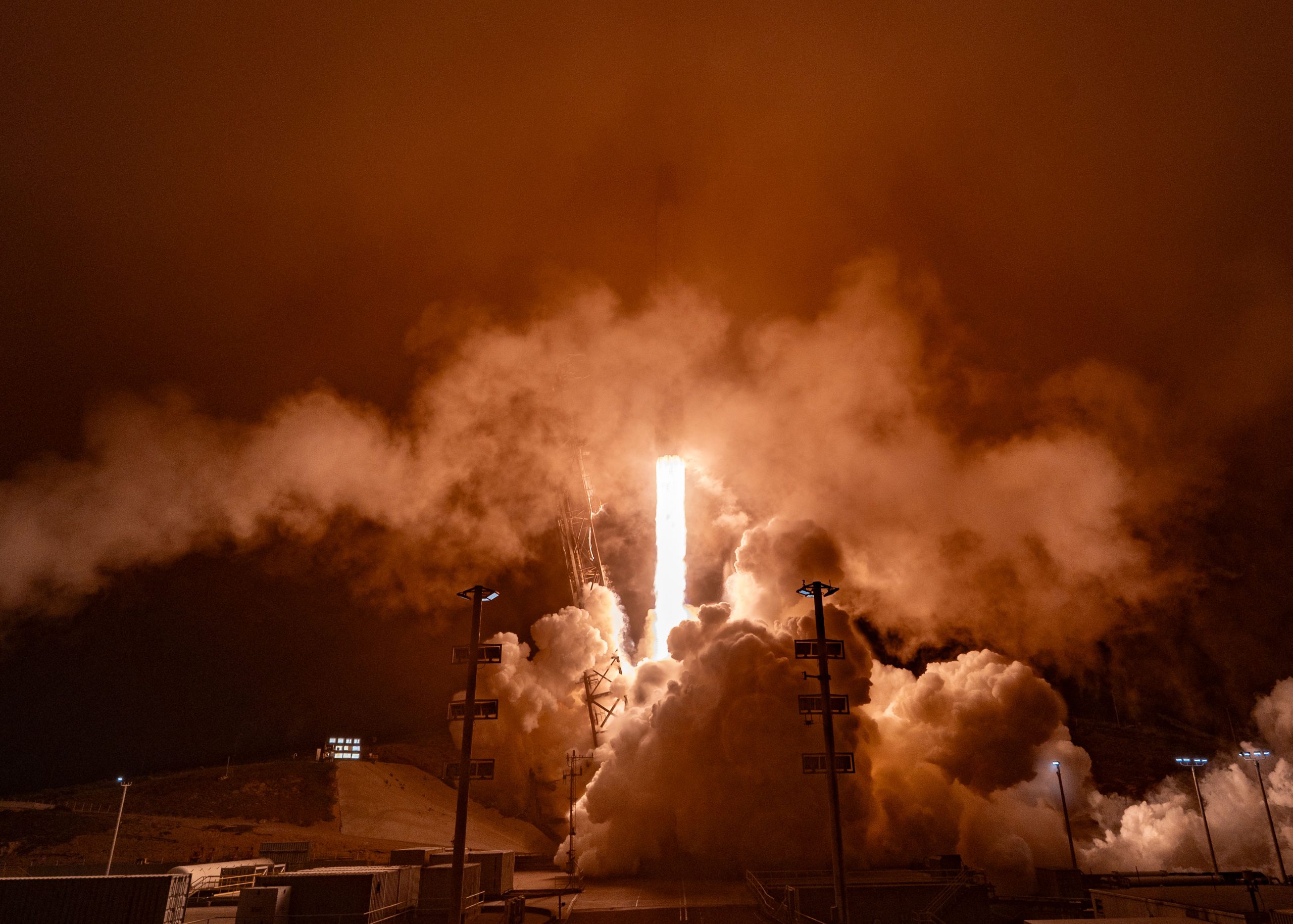
The early-evening flight lifted off from Space Launch Complex 4 East at Vandenberg Space Force Base on September 19, hugging the California coastline on a southeasterly track that put the ascending rocket within view of millions along the shore. It was the 81st Starlink mission of the year, a pace no launch operator has ever come close to matching.
A Booster That Keeps Coming Back
The workhorse of the mission was Falcon 9 first stage B1093, making its 17th trip to space and back. The booster had previously flown two missions for the U.S. Space Force's Space Development Agency, the Transporter-16 rideshare, and 13 batches of Starlink satellites before this outing.
About eight and a half minutes after liftoff, B1093 touched down on the droneship Of Course I Still Love You, stationed in the Pacific. The landing marked the 225th recovery on that vessel and the 662nd Falcon booster landing overall — numbers that underline how thoroughly SpaceX has turned reusability from an experiment into routine. That same relentless flight rate recently carried the 700th Falcon rocket to orbit.
Building Out the Constellation
The 27 Starlink V2 Mini Optimized satellites aboard the Starlink 15-27 mission were set to deploy a little over an hour after launch, joining a constellation that already blankets much of the planet with high-speed connectivity. Each new batch tightens coverage, adds capacity and pushes Starlink further ahead of every rival network.
The V2 Mini platform has become the backbone of that expansion, and it will soon be joined by a far more capable generation as SpaceX prepares its next leap in per-satellite capacity. Together, the two hardware lines give SpaceX a clear runway to keep scaling bandwidth for consumers, aviation, maritime and direct-to-cell customers.
Cadence as a Competitive Moat
Reaching 81 Starlink missions in less than nine months is more than a statistics-page milestone. It reflects a manufacturing and operations machine that can build satellites, refurbish boosters and turn around pads faster than anyone thought possible a few years ago. Every flight lowers the effective cost of orbit and widens the gap between SpaceX and the field.
With Vandenberg handling the West Coast Starlink flow and the Florida coast readied for the debut of the far larger Starship, SpaceX is running two launch tempos at once. As live coverage from Spaceflight Now documented, the weekend flight was almost routine — and that routine, repeated dozens of times a year, is exactly what keeps SpaceX in a league of its own.