
HAWTHORNE, Calif. — SpaceX is on track to make Starlink one of the largest connectivity providers on Earth, telling investors and industry audiences that the service should surpass 25 million active users by the end of the year. Driving much of that growth is Starlink's direct-to-cell business, which lets ordinary phones connect straight to satellites with no special hardware.
A Mobile Network Built in Orbit
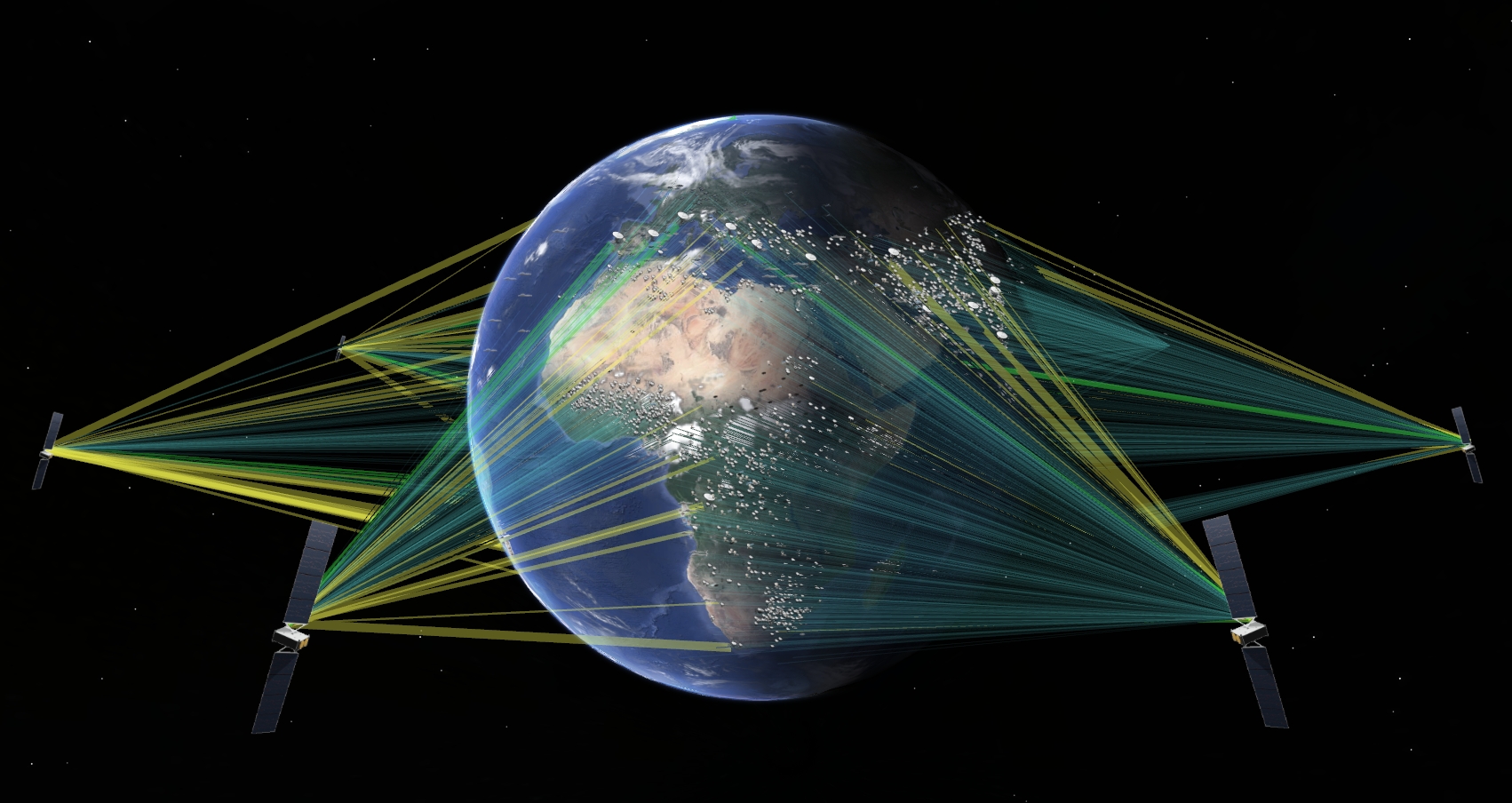
SpaceX executives say the direct-to-cell Mobile brand, launched in 2024, has already passed 10 million subscribers and helped the broader constellation serve more than 16 million unique users. With about 650 first-generation mobile satellites deployed across five continents, Starlink now claims to be the largest 4G coverage provider on the planet by geographic area, filling gaps where terrestrial towers have never reached. Those figures were detailed in a Mobile World Congress keynote reported by SDxCentral.
The service has also proven its value in emergencies, keeping hundreds of thousands of people connected during natural disasters and sending emergency alerts when ground networks failed. SpaceX has positioned satellite connectivity as a complement to terrestrial 5G, augmenting coverage on mountains, at sea and anywhere a cell tower cannot economically reach.
Gen2 Promises Real Broadband
The next act is far more ambitious. SpaceX's second-generation constellation, expected to begin launching in 2027, is designed to deliver what the company calls terrestrial-like connectivity, with download speeds up to 150 Mbps to unmodified phones. Each Gen2 satellite will carry a phased-array antenna five times larger than the original, offering roughly 100 times the data density of today's mobile satellites and throughput exceeding 100 Gb/s.