
HAWTHORNE, Calif. — SpaceX's plan to beam mobile service straight from orbit to ordinary smartphones is turning into one of the most disruptive stories in telecom, with analysts, carriers and investors all reacting to how quickly Starlink's direct-to-cell ambitions are advancing.
A widely circulated Reuters Breakingviews commentary described SpaceX's direct-to-cell expansion as a 'rude wake-up call' for the wireless industry, capturing a week in which the company's satellite-to-phone strategy dominated the conversation. Reports also indicated that SpaceX is setting its sights on the major U.S. carriers, with President and COO Gwynne Shotwell suggesting there is room to win over their customers.
A Network Above the Network
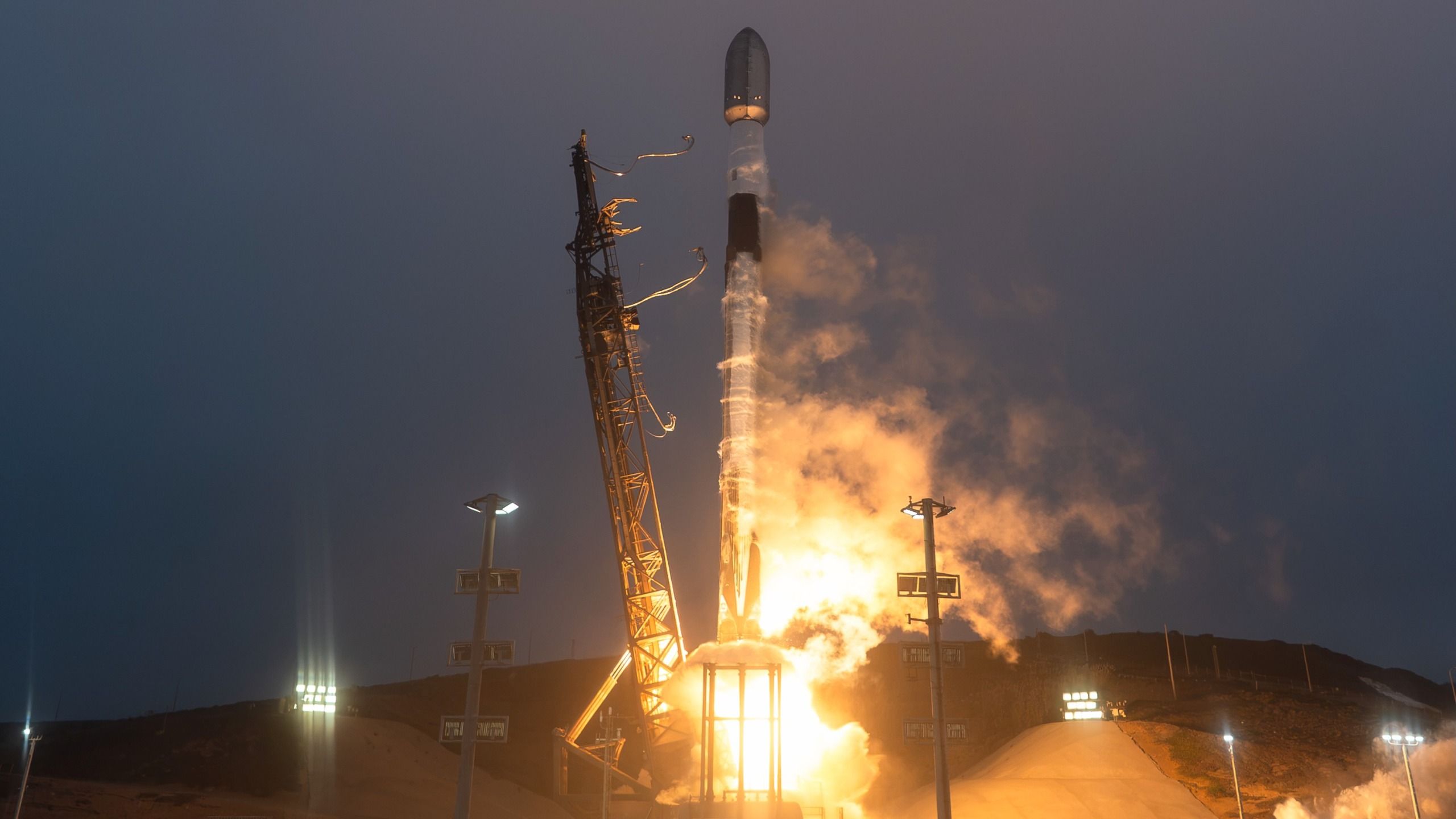
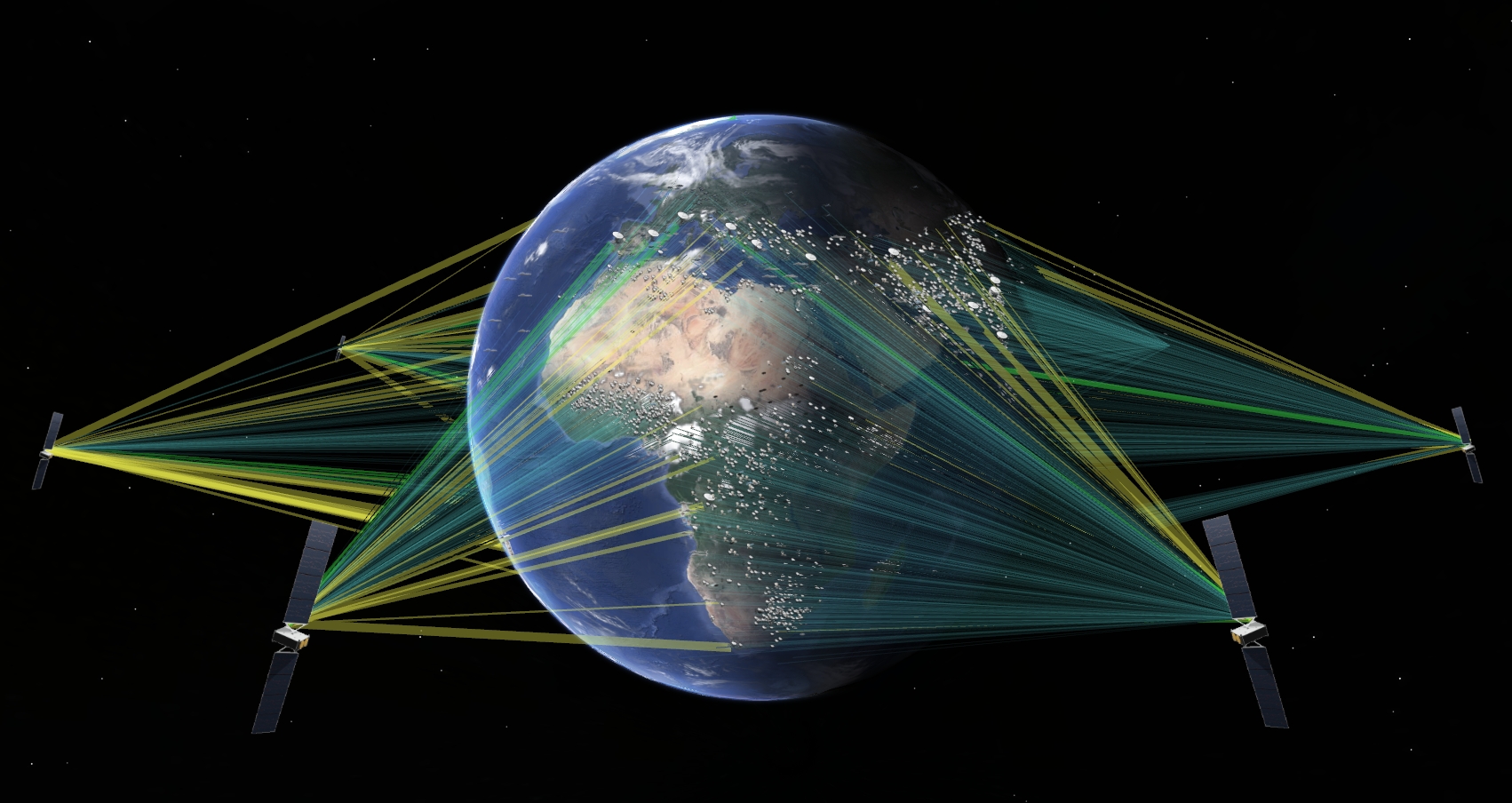
Starlink direct-to-cell works by turning SpaceX's low-Earth-orbit satellites into orbiting cell towers that connect to unmodified phones, filling gaps where terrestrial coverage ends. That capability — already the largest space-based mobile footprint in the world — is what has incumbents paying attention. SpaceX continues to launch batches of the satellites on near-weekly Falcon 9 missions, and its newest, higher-capacity spacecraft promise a major leap in bandwidth with the Starlink V3 generation.
The competitive threat is straightforward: a service that guarantees a signal on a mountain trail, in a disaster zone or across an empty highway changes what customers expect from a phone plan.
Carriers Fire Back
Not everyone is convinced. T-Mobile's leadership publicly pushed back, with one executive dismissing the strategy and arguing that terrestrial networks remain unmatched for everyday capacity. Rivals including AT&T have struck a more conciliatory tone, framing satellite connectivity as 'complementary' to their ground networks rather than a replacement.