LIVELIVERobotaxi
Rollout
,robotaxis
  • TexasCybercab126Model Y420Driverless
  • Miami, FLUndisclosedDriverless
  • Orlando, FLUndisclosedDriverless
  • Tampa, FLUndisclosedDriverless
  • Bay Area, CAModel Y1,655Safety driver
  • Las Vegas, NVUp to 5,000Approved
  • Phoenix, AZPreparingComing soon

SpaceX Readies First Operational Starlink V3 Satellites

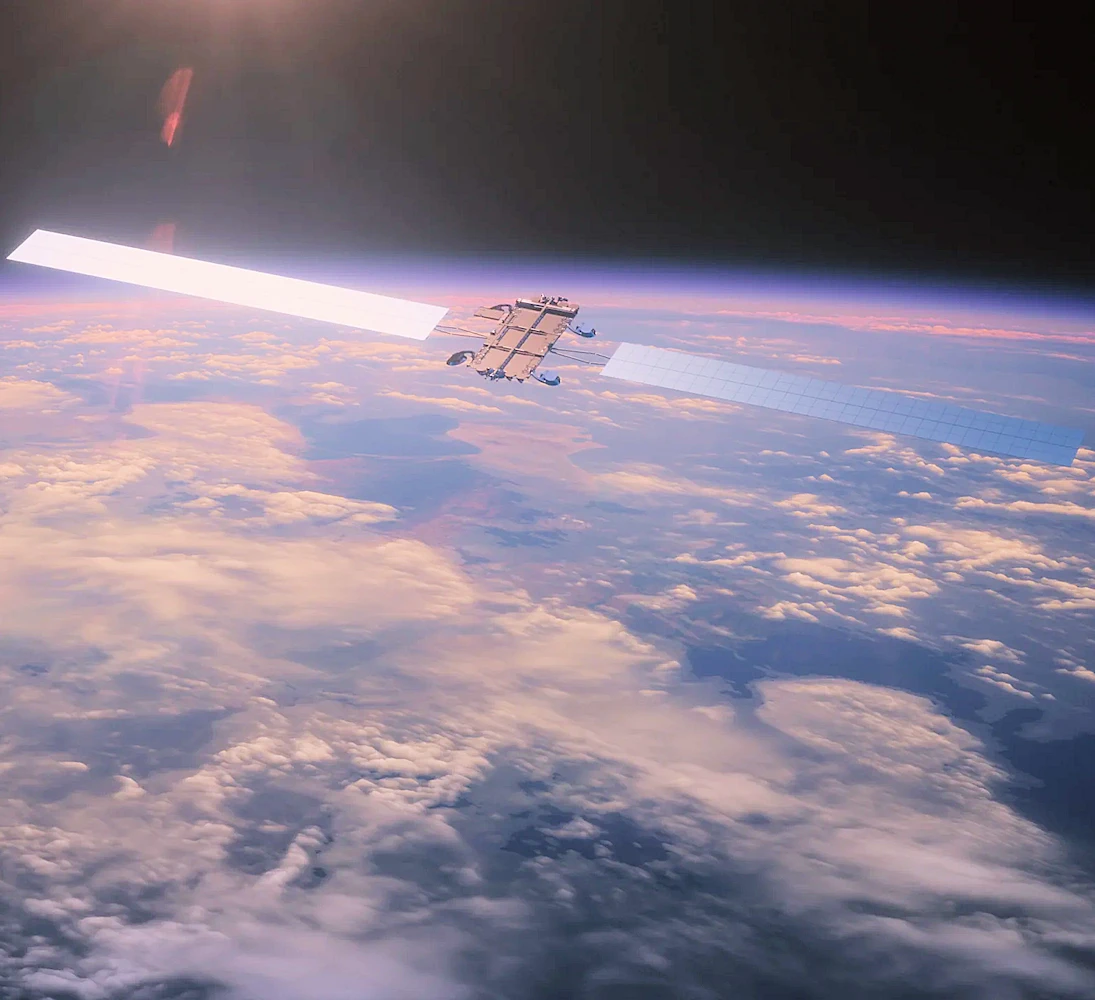
SpaceX is set to deploy its first operational Starlink V3 satellites, a design promising roughly 10x the capacity of today's units and near-gigabit speeds.

3 min read
SpaceX Readies First Operational Starlink V3 Satellites

HAWTHORNE, Calif. — SpaceX is preparing to begin deploying its most powerful Starlink satellites yet, a next-generation "V3" design that promises to multiply the network's capacity and push consumer broadband toward gigabit speeds.

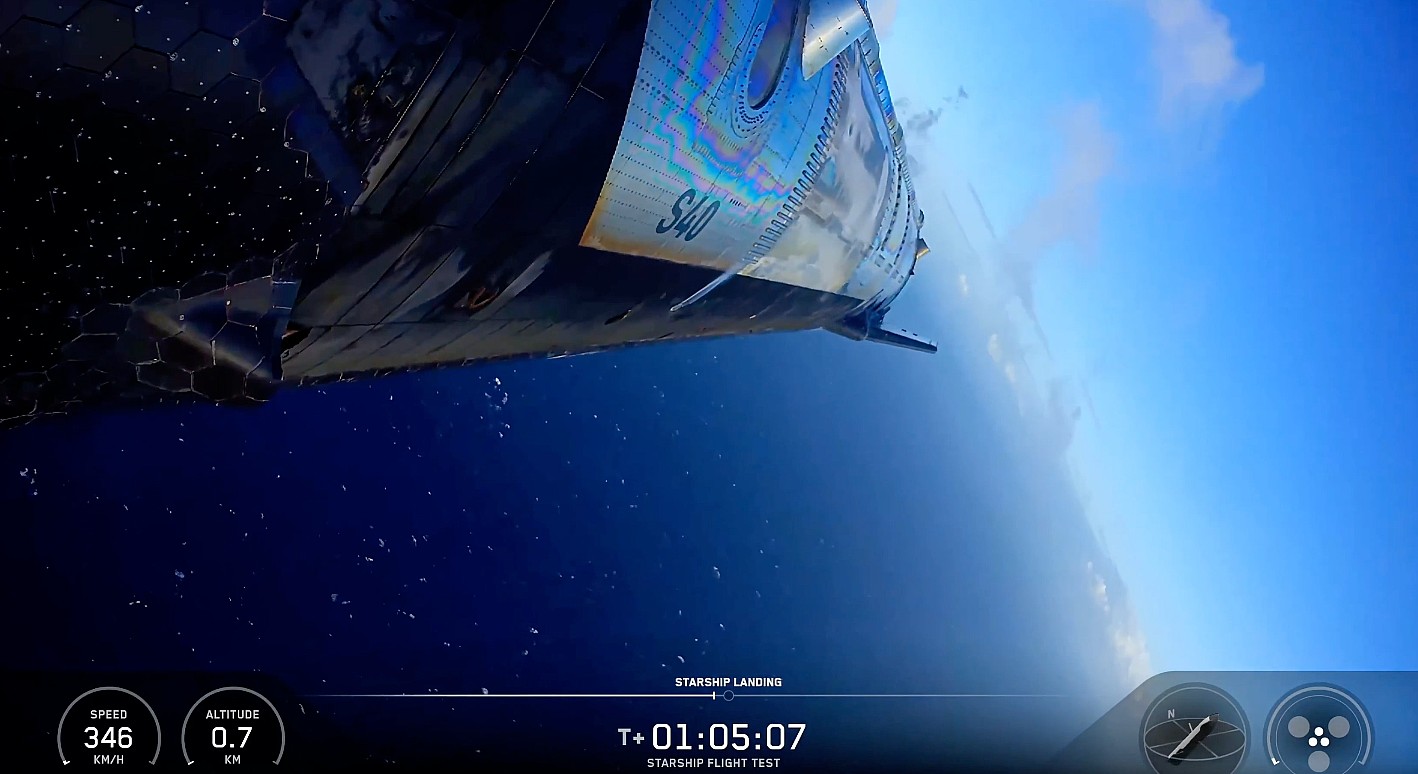
The first 26 operational V3 satellites are set to ride to orbit aboard Starship's upcoming orbital flight, marking the debut of hardware that SpaceX says will deliver a dramatic leap over the satellites now serving millions of customers. Each V3 spacecraft is designed to provide roughly 10 times the broadband capacity and data density of the current generation.

A tenfold jump in capacity

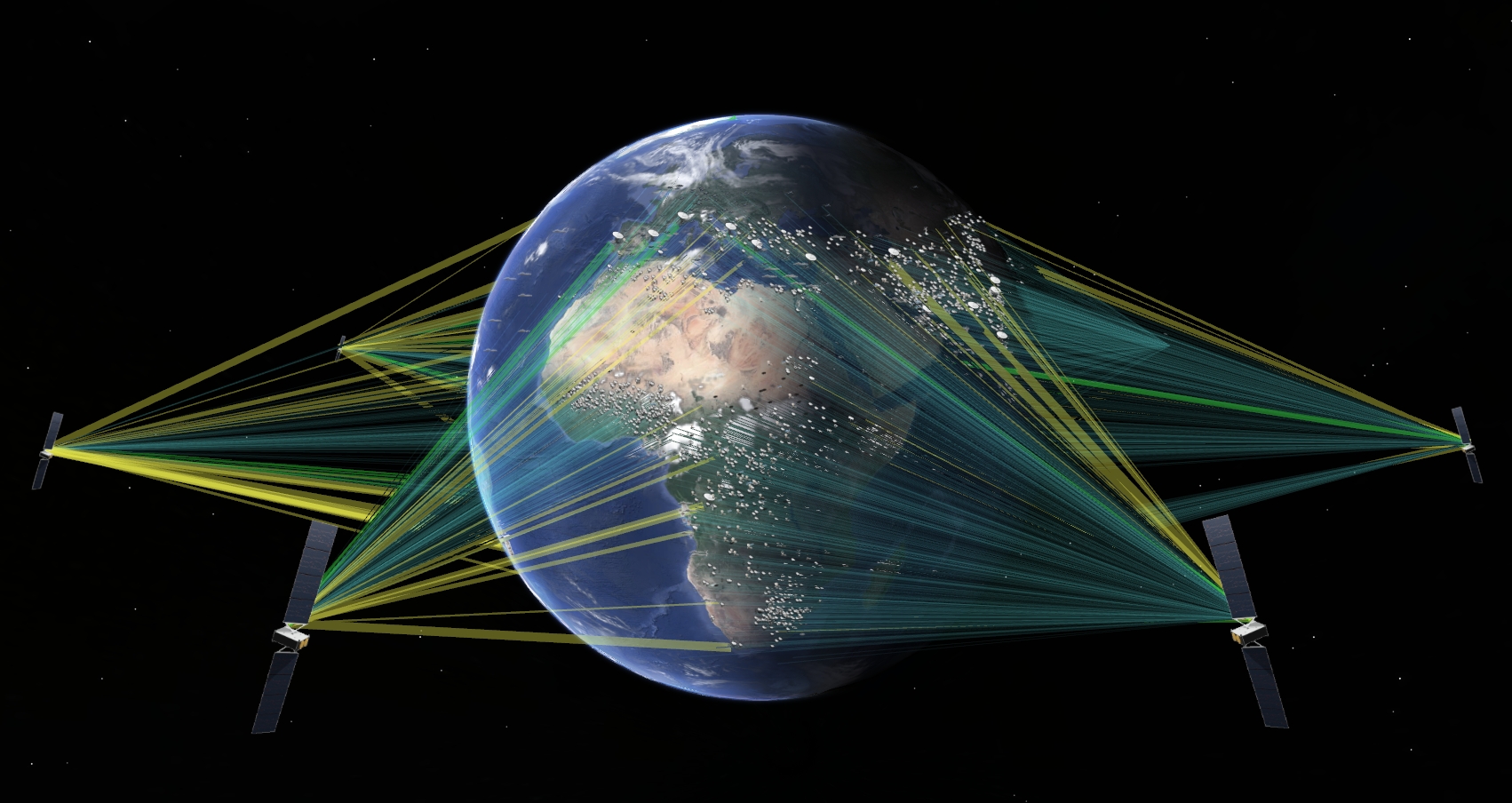
The numbers behind V3 are striking. Company figures point to as much as one terabit per second of downlink capacity per satellite, alongside a substantial uplink boost — throughput that is simply not possible with the smaller V2 units launched on Falcon 9. Because Starship can eventually carry dozens of V3 satellites at a time, SpaceX can scale the constellation far faster than it could before.

Faster speeds for customers

That capacity translates into tangible gains for users. Maritime customers on the premium Performance terminal, for example, are expected to see peak download speeds roughly double — from about 475 Mbps today toward nearly 1 Gbps by the end of the year. For homes, businesses and vessels in areas with limited connectivity, the improvement could be transformative, closing a gap that legacy providers have never bridged.

SpaceX Readies First Operational Starlink V3 Satellites — additional image

The upgrade also reinforces Starlink's fast-growing direct-to-cell business, which already serves tens of millions of mobile users and has unsettled traditional wireless carriers. More capacity overhead means better coverage and higher speeds for phones connecting straight to satellites, extending service into dead zones far from any cell tower.

Built for Starship-scale deployment

V3 and Starship are designed to work together. The larger rocket's cavernous payload bay and rapid reusability are what make a constellation of thousands of high-capacity satellites economically feasible, and Monday's flight is the first real test of that pairing in operational conditions.

For SpaceX, the payoff is a virtuous cycle: Starlink's subscription revenue helps fund Starship development, while Starship makes it cheaper to expand Starlink. Details on the latest satellite generation and network upgrades are published on SpaceX's official updates page.

If the V3 rollout proceeds as planned, Starlink will enter 2027 with far more capacity, faster consumer speeds and a stronger direct-to-cell offering — extending SpaceX's lead in a market it effectively created and continues to redefine.