
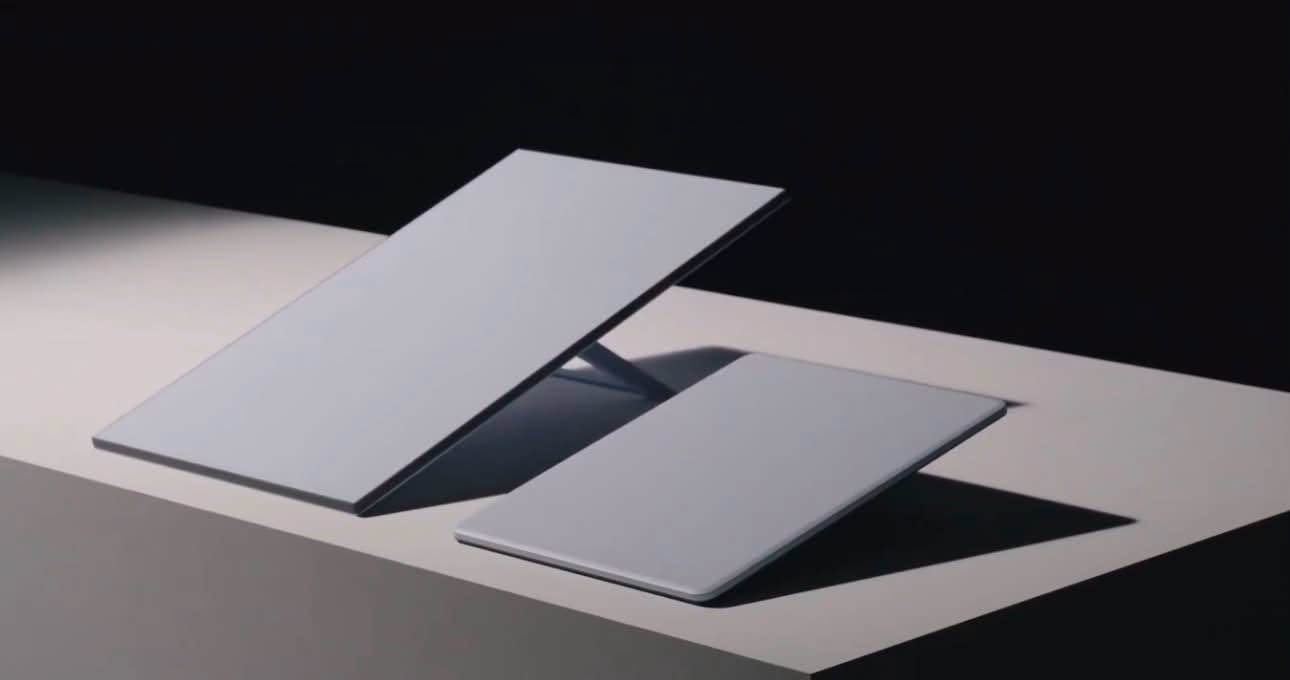
HAWTHORNE, Calif. — SpaceX has rolled out the fifth generation of its residential Starlink hardware, and the new V5 kit is the biggest leap in home user equipment the company has shipped yet. Announced on July 14, the terminal is smaller, lighter and more power-efficient than the V4 it replaces, while pushing download speeds past 375 Mbps.
The redesign is striking. The V5 dish measures roughly 384 x 306 x 34 mm and weighs just 1.1 kg, less than half the 2.9 kg of the outgoing V4. That reduction makes rooftop, pole and pipe-adapter installs easier, and an integrated LED light now helps customers align and set up the dish in low-light conditions. It is a practical, customer-first refinement that fits neatly alongside SpaceX's broader push to put connectivity everywhere, from homes to the recently expanded Starlink Direct-to-Cell service.
More Speed, Less Power
Performance is where the V5 earns its keep. SpaceX quotes peak speeds of 375+ Mbps, supported by a new Wi-Fi 6 Router Mini that covers up to 2,200 square feet and connects as many as 235 devices at once. That is enough headroom for simultaneous 4K streaming, video calls, online gaming and a house full of smart devices without the network buckling.
Just as important is efficiency. The V5 draws only 35 to 50 watts, a meaningful drop that makes it far better suited to off-grid, solar and RV setups where every watt matters. Lower weight also trims shipping costs and simplifies handling, which should help SpaceX scale distribution as demand climbs.