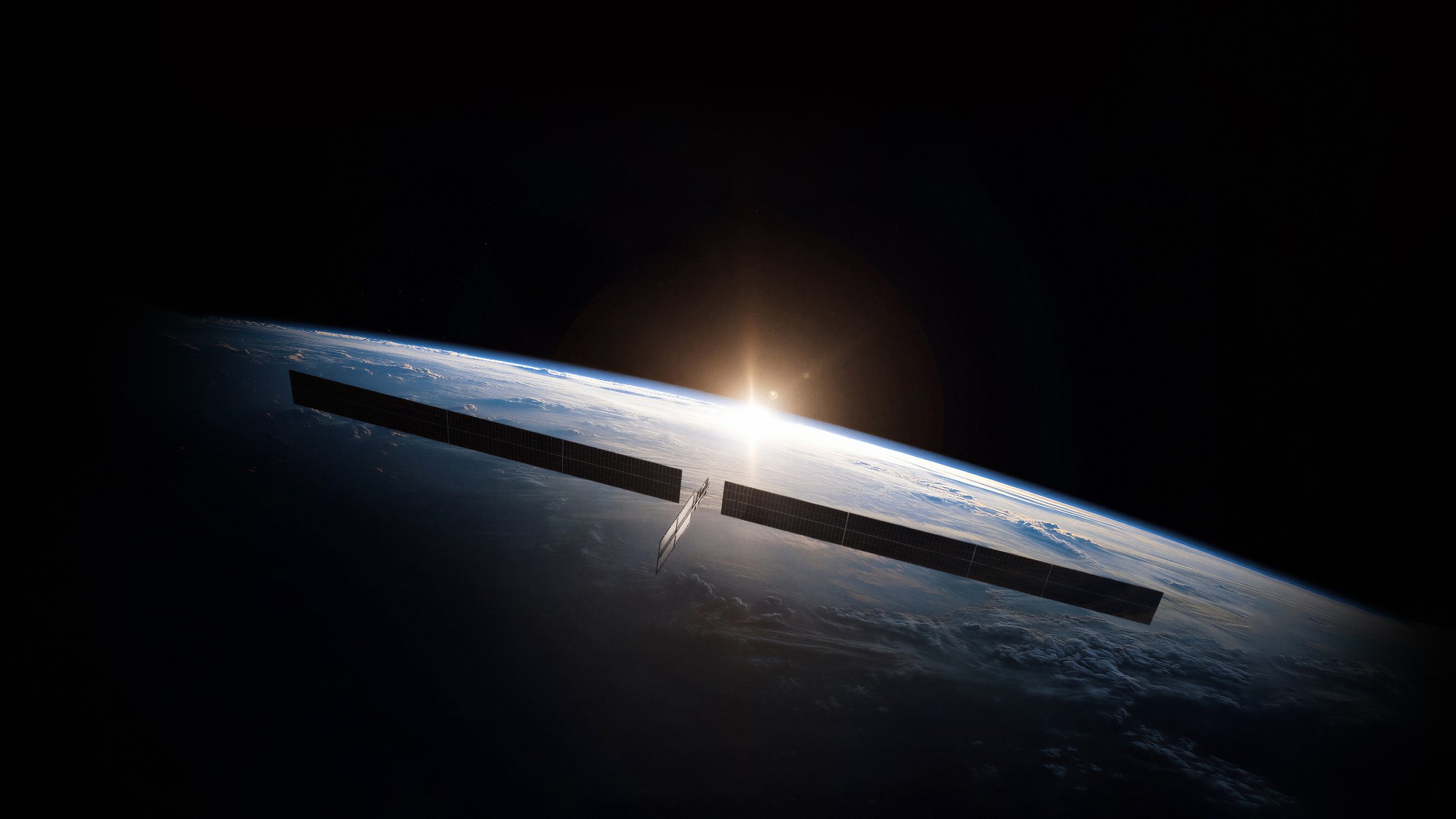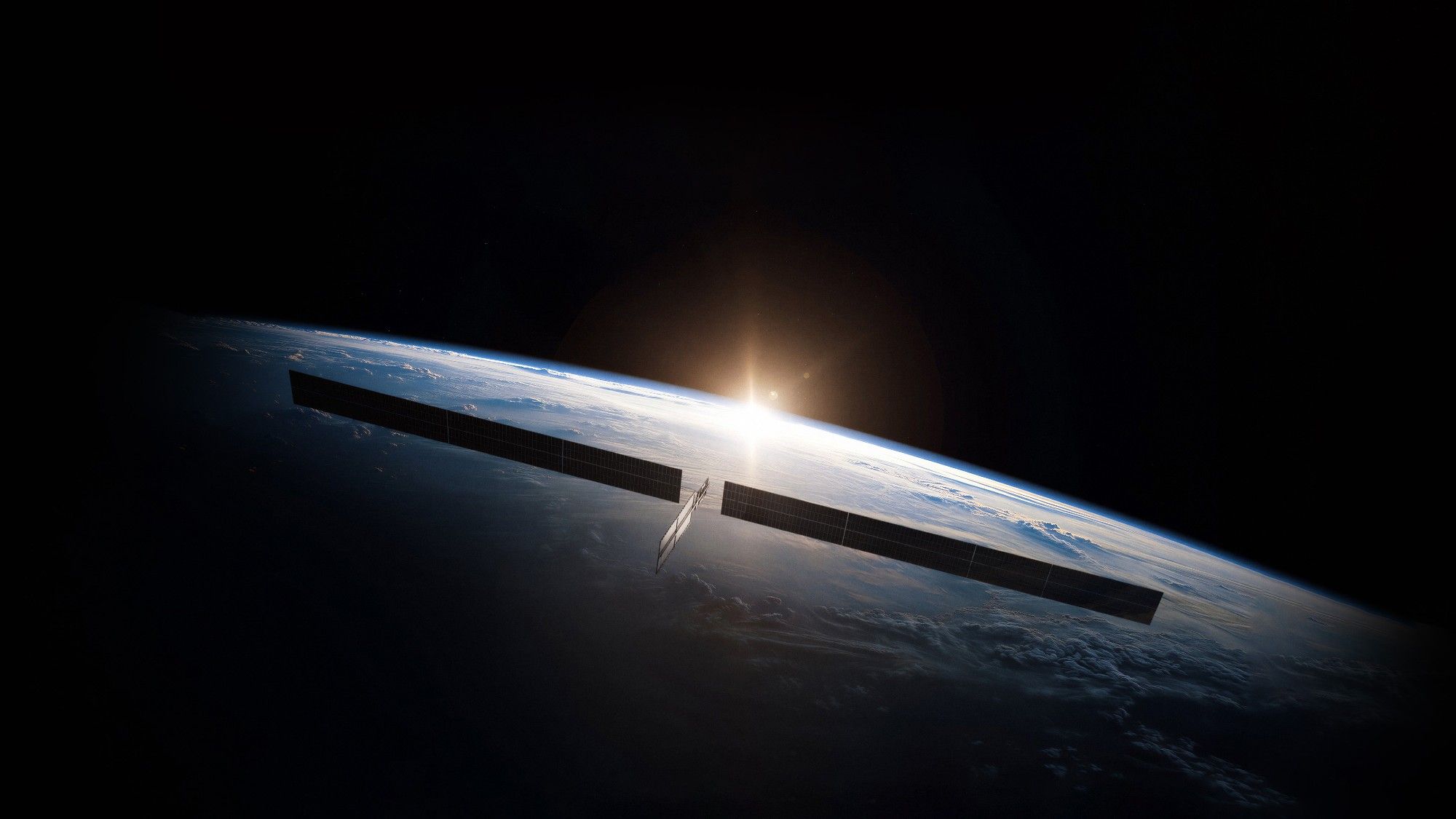
BOCA CHICA, Texas — SpaceX has a name for its most ambitious orbital project yet. Elon Musk confirmed on June 23 that the company's planned AI satellite megaconstellation will be called Starmind, adding another entry to the firm's growing family of stellar-themed programs.
Starmind is designed to be roughly 100 times larger than the current Starlink network, potentially reaching up to 1 million satellites operating as distributed data centers in low Earth orbit. Rather than only relaying broadband, each Starmind satellite would carry onboard processors to run AI workloads directly in space, complementing SpaceX's broader push to weave artificial intelligence through its satellite ambitions.
Compute powered by the sun
The pitch is elegant. By harnessing near-constant solar power in orbit, Musk argues, the satellites can scale computing with little of the cooling, land and energy overhead that constrains terrestrial data centers. "It's always sunny in space," he wrote, framing the constellation as a first step toward a civilization that can eventually harness the sun's full output while supporting AI applications for billions of people.
SpaceX filed a request with the Federal Communications Commission in January 2026 to launch up to 1 million solar-powered satellite data centers, describing the system as the most efficient way to meet accelerating demand for AI compute.