
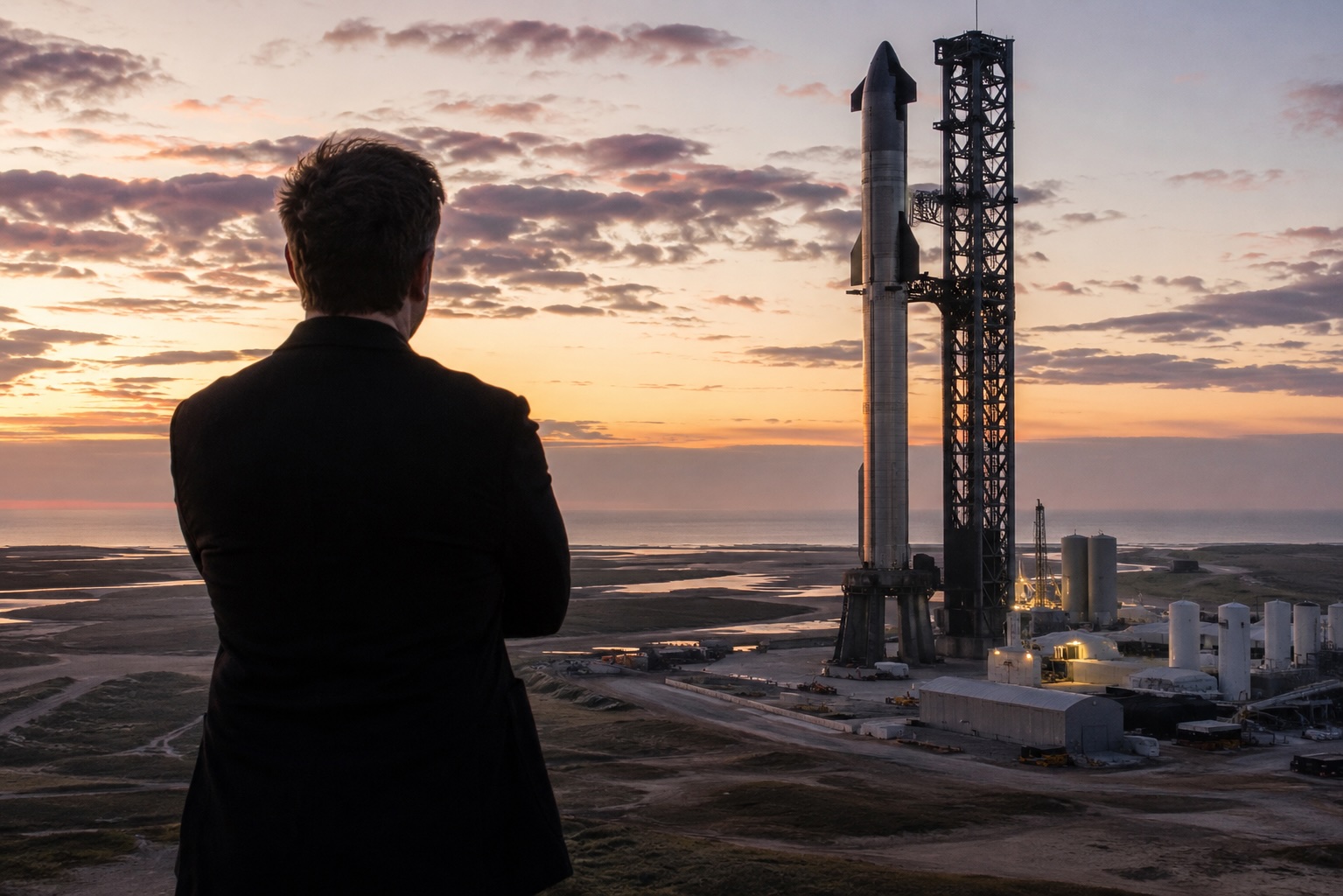
SpaceX Stands Down From Starship Flight 13, Eyes Next Week

An automatic abort halted Starship Flight 13 seconds before liftoff after four Raptor engines did not ignite. Musk says two will be swapped and a relaunch is targeted for early next week.

3 min read
SpaceX Stands Down From Starship Flight 13, Eyes Next Week

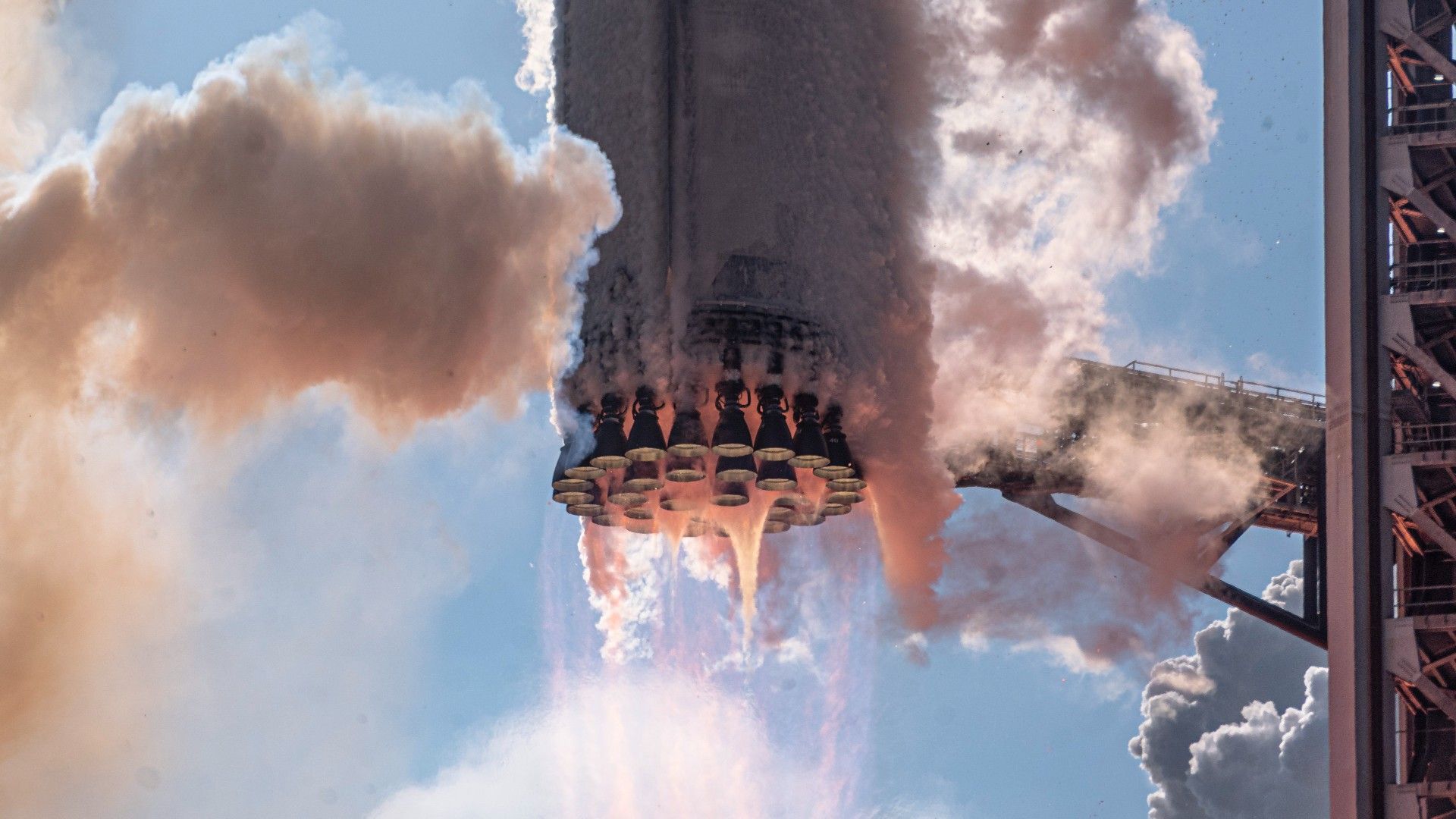
BOCA CHICA, Texas — SpaceX stood down from its 13th Starship test flight on Thursday evening at the last possible moment, after four of the Super Heavy booster's 33 Raptor 3 engines failed to ignite during the startup sequence and triggered an automatic launch abort.

The 90-minute window had opened at 6:45 p.m. EDT from Starbase in South Texas, and the countdown had proceeded cleanly all day, with more than 11.5 million pounds of liquid methane and liquid oxygen fully loaded before the vehicle's own systems called off the attempt. "Standing down from today's flight test attempt," SpaceX posted, before safing the rocket and draining its tanks.

What Musk said broke

Elon Musk confirmed the cause within hours. "Some of the engines did not start, triggering an automatic launch abort," he wrote. "To be confident of a good flight, 2 Raptors will be removed and replaced. Most probable launch timing is early next week." Booster 20 was rolled back to its hangar for inspection, with a return to the pad expected in the coming days.

Rather than a setback, the clean abort is a showcase of exactly the kind of automated safeguard that makes rapid, reusable spaceflight possible. The rocket detected an off-nominal engine start and shut itself down on the pad, protecting the vehicle and its payload for another attempt. That built-in caution reflects the same methodical upgrade philosophy SpaceX applied after Flight 12.
SpaceX Stands Down From Starship Flight 13, Eyes Next Week — additional image

A high-stakes mission

Flight 13 is designed to be one of the most consequential tests in the program's history. It is set to carry 20 Starlink V3 satellites, the first operational payload Starship has ever attempted to deploy, six of them fitted with external cameras to photograph the vehicle's heat shield in flight. The mission also aims to complete an in-space Raptor relight, a step engineers refined after closing out the Flight 12 review.

The attempt also carries new weight because it is the first Starship launch since SpaceX went public in June, listing under the ticker SPCX at $135 per share. Public investors are now watching each outcome in real time, and the company's willingness to hold a launch for a two-engine swap underscores the discipline behind its cadence.

What comes next

Musk's "early next week" target points to July 21 or 22 at the earliest, pending the engine replacement and a return to the pad. As detailed by Teslarati, draining the fully fueled vehicle and swapping the affected Raptors is routine work for a team that has turned Starbase into the busiest test site in spaceflight. If the next countdown holds, Flight 13 will mark Starship's transition from pure test vehicle to operational Starlink workhorse, a milestone that would push the world's most powerful rocket a decisive step closer to full and rapid reusability.