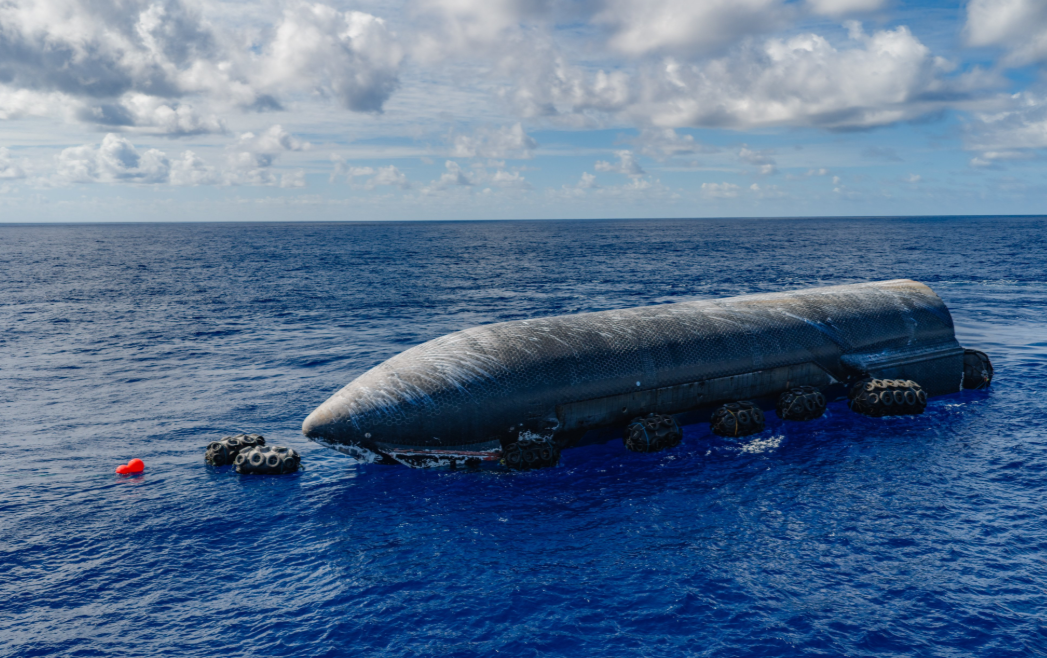
BOCA CHICA, Texas — SpaceX has begun the long voyage home for the first Starship upper stage ever to survive a return from space, loading the 171-foot vehicle onto a huge semi-submersible recovery ship in the Indian Ocean and pointing it toward South Texas.
The company announced on Aug. 27 that the intact Ship, which flew on the program's 13th test flight, had finally been secured off the coast of Christmas Island after weeks in the water. The journey back to Starbase is expected to take several months, capping a recovery effort that SpaceX called one of its most challenging yet.
A First-of-Its-Kind Recovery
Ship had been floating in the Indian Ocean since July 24, when it made a soft, controlled splashdown to close out Flight 13. That it stayed in one piece was unprecedented. On every previous mission, the upper stage had broken apart during reentry or toppled over and been lost shortly after hitting the water.
This time SpaceX saw an opportunity too good to pass up. Engineers towed the 52-meter vehicle through increasingly rough seas to Christmas Island, inspected it for several days as it bobbed in the waves, and pulled critical data from a spacecraft that had actually flown home. The effort is part of the same relentless, reuse-first push driving SpaceX's plan to build 1,000 Starships a year.
What Flight 13 Delivered
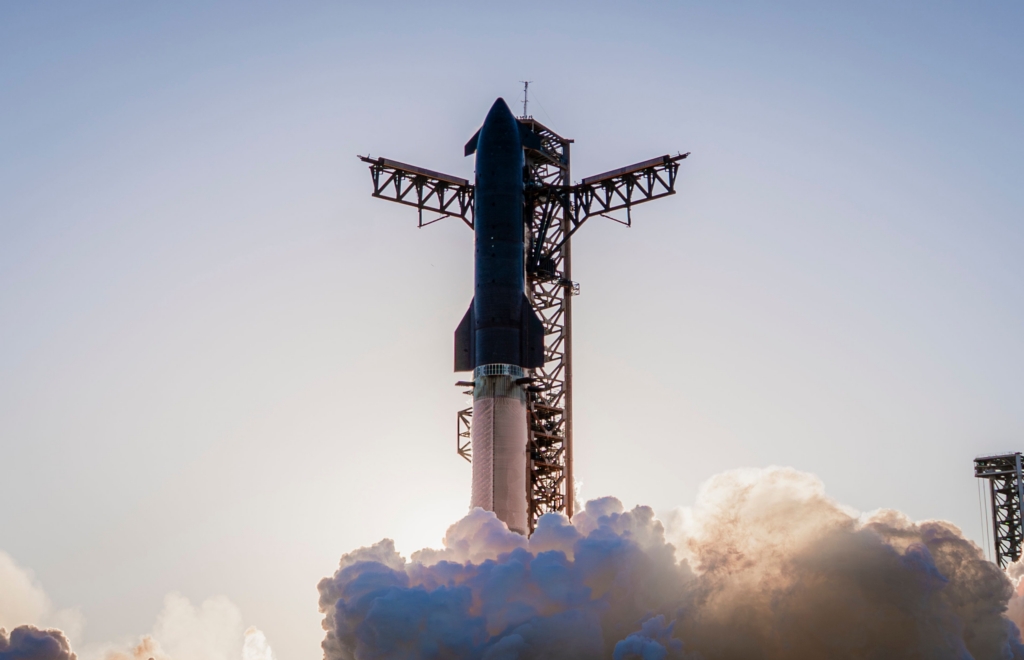
The mission was never just a question of whether Starship could fly. It stacked several milestones into a single flight. After separating from its Super Heavy booster, Ship completed a full-duration ascent burn, deployed 20 of SpaceX's next-generation Starlink V3 satellites, and communicated with all of them using both radio-frequency and laser links.
The vehicle also demonstrated an in-space relight of a Raptor engine, then executed a banking maneuver designed to mirror the trajectory future ships will use returning to Starbase. Its four flaps guided it to a landing flip, landing burn, and the intact splashdown that made the recovery possible.
Heat Shield 'Problem Solved'
The biggest prize was the heat shield. Starship is built to be fully and rapidly reusable, and surviving atmospheric reentry is the gate to flying the same vehicle again. Musk has long called heat-shield development one of Starship's toughest challenges — but after Flight 13, his assessment changed.
Speaking on SpaceX's first quarterly earnings call on Aug. 4, Musk said, "I think I'd consider the heat shield problem solved at this point." The intact Ship gave engineers their first close-up look at a heat shield after a real return, and SpaceX said the team "collected heatshield samples and gained vital insight into how the vehicle handled reentry with improvements now planned on future vehicles." You can read Space.com's full account of the recovery here.
The Road Back — and What Comes Next
The whole point, of course, is to eventually skip the ocean entirely. SpaceX wants Starship to fly itself back to the launch site and be caught by the tower, the same approach already proven with Super Heavy and central to the company's long-term shift away from Falcon 9.
Musk has said SpaceX may attempt its first Starship tower catch within the next few months, pending regulatory sign-off. If it works, the sight of a 52-meter spacecraft being towed across the sea will become a one-time curiosity — and a reminder of how quickly Starship went from experiment to homecoming.