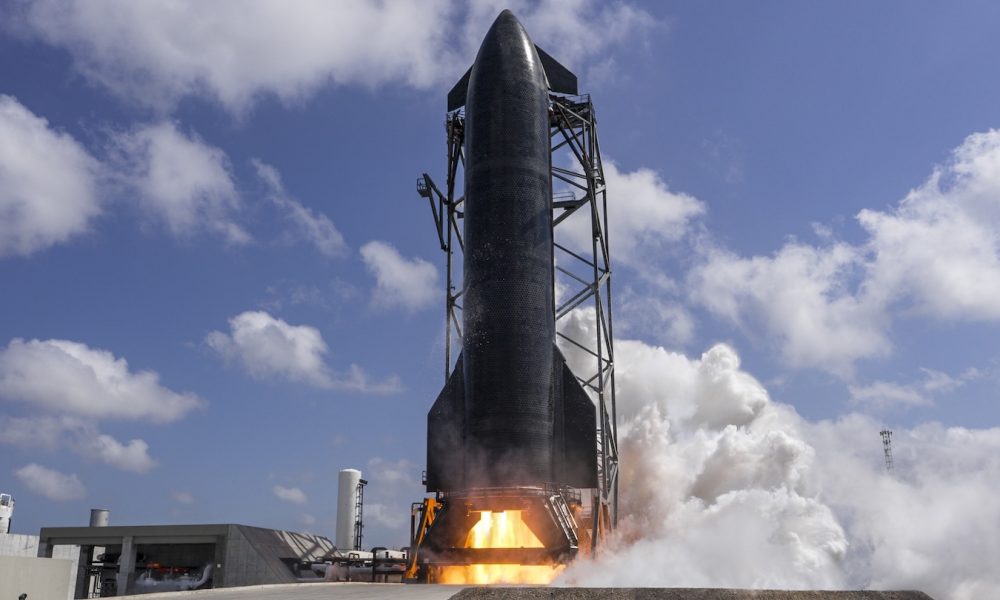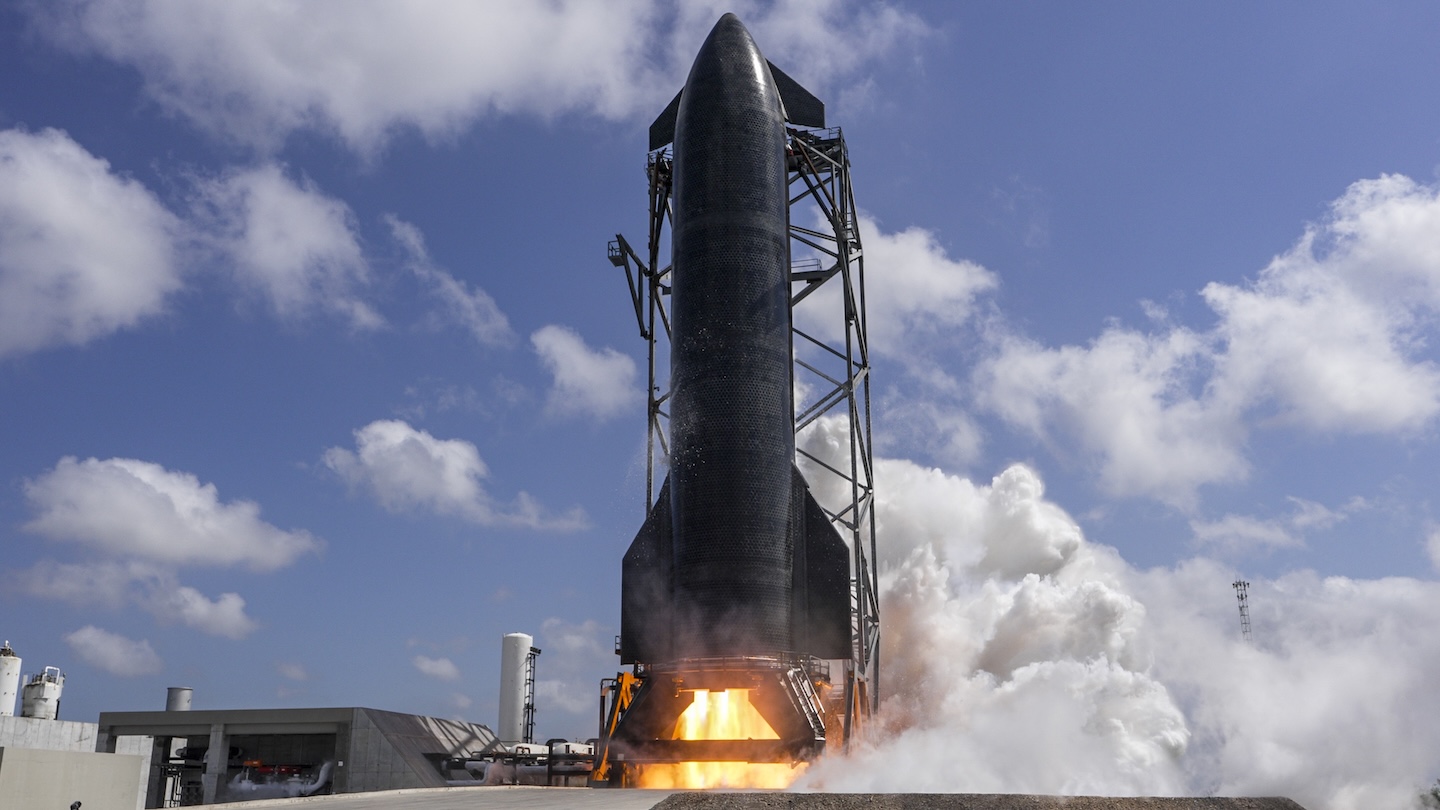
BOCA CHICA, Texas — SpaceX has cleared the last major hardware checkpoint before its next Starship launch, completing a full-duration, six-engine static fire on the vehicle this week and setting up Flight 14 as the program's first attempt at a full orbital mission.
The Milestone in Front of Starship
The static fire, in which the ship's Raptor engines are ignited while the vehicle is held down on the pad, is the final qualification step before flight. With it complete, SpaceX is targeting a launch no earlier than August 28 for a mission designed to carry Starship all the way to orbit for the first time.
That is a meaningful step up from Flight 13, the "Lucky 13" mission that deployed a batch of next-generation Starlink V3 satellites on a suborbital trajectory. Flight 14 is expected to place operational V3 satellites into a working orbit, moving Starship from a test article toward a functioning heavy-lift deployment system for SpaceX's expanding constellation.
A Deliberate, Iterative March
SpaceX chief Elon Musk has framed the campaign as steady and incremental. He said last week that a first attempt to catch the returning upper stage with the launch tower's mechanical arms is still "probably a few months" away, noting that had a catch tower been positioned at the ship's ocean landing zone, the vehicle "would have been caught." Musk added that the first reflight of a Starship is expected by late 2026 or early 2027, calling it "a fork in the road of history."