
Live Robotaxi Rollout2,201Tesla
robotaxis
  • Bay Area, CA1,655 Model YsSafety driver
  • Texas546 (126 Cybercab · 420 Model Y)Driverless
  • Miami, FLModel Y fleet · count not disclosedDriverless
  • Orlando, FLModel Y fleet · count not disclosedDriverless
  • Tampa, FLModel Y fleet · count not disclosedDriverless
  • Las Vegas, NVPermit for up to 5,000 robotaxisApproved
  • Phoenix, AZLaunch preparations under wayComing soon

SpaceX Reuses Flown Starship Heat Shield Tiles for First Time

Two heat shield tiles recovered from Ship 40 after Flight 13 have been installed on Ship 41, marking the first time SpaceX has flown reused Starship thermal tiles as it prepares for Flight 14.

3 min read
SpaceX Reuses Flown Starship Heat Shield Tiles for First Time

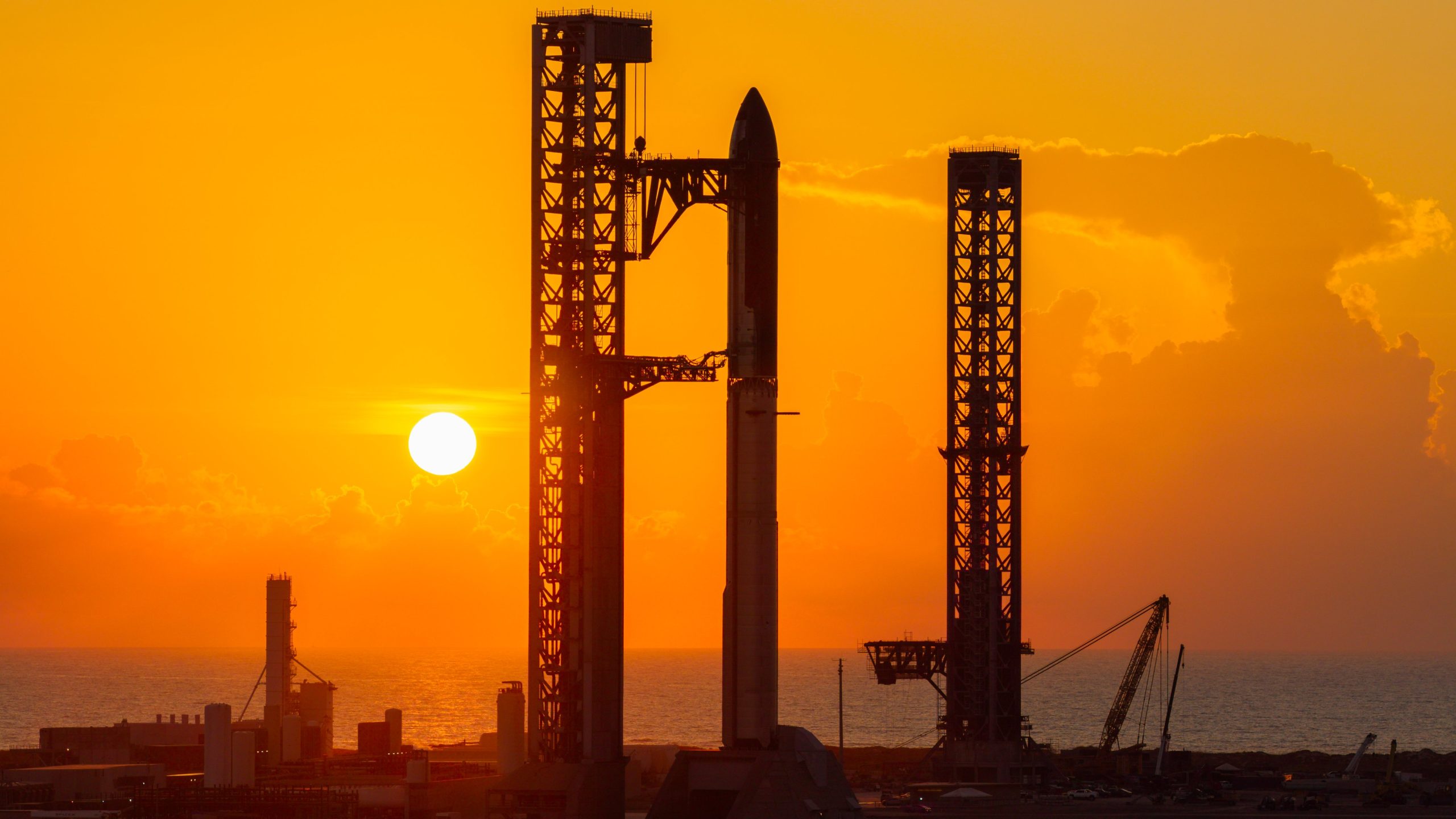
BOCA CHICA, Texas — SpaceX has quietly crossed a milestone that speaks directly to Starship's central promise: full and rapid reusability. As Ship 41 rolled out to Pad 2 for its next campaign, engineers confirmed that two of its heat shield tiles are not new at all. They flew before, on Ship 40, and were recovered from the ocean and installed again — the first time flown Starship thermal tiles have ever been reused on another vehicle.

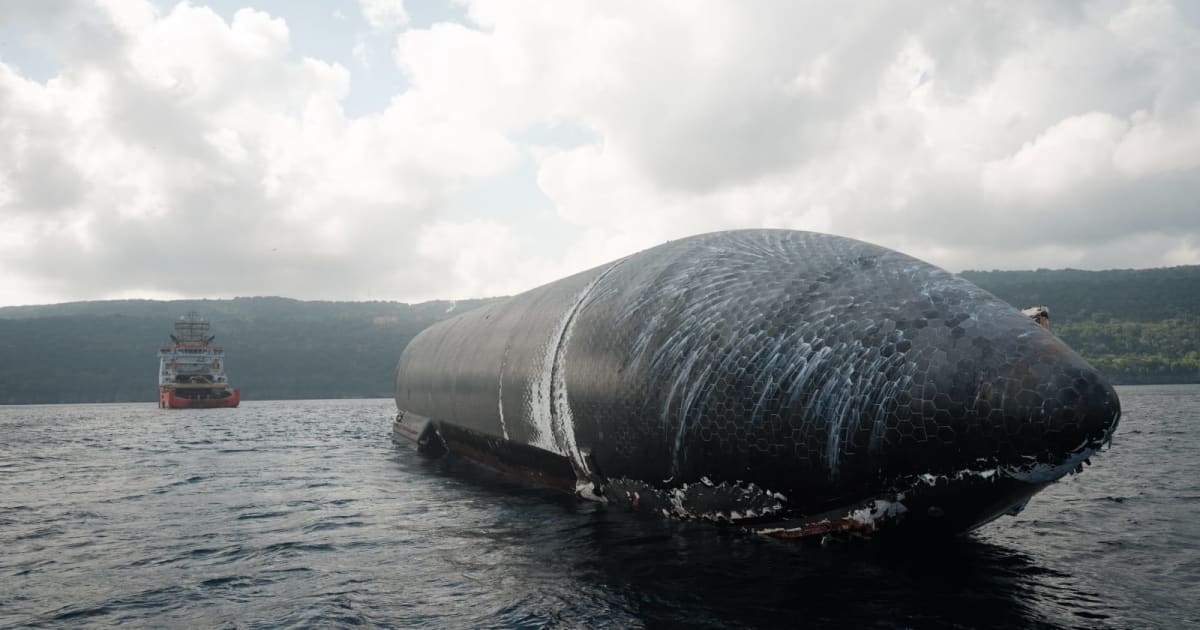
The two tiles sit on Ship 41's aft section near the aft flaps, one of the most thermally punishing regions of the vehicle during reentry. Their journey back to the launch site was remarkable in itself: after Ship 40 splashed down following Starship's Flight 13 mission on July 24, 2026, the tiles spent 24 days in the Indian Ocean before being retrieved by the heavy-lift recovery vessel Forte.

Why Two Tiles Matter

A Starship heat shield is made up of roughly 20,000 tiles, so two reused pieces represent only a sliver of the whole. But the significance is in the precedent, not the percentage. Each tile "represents almost half a decade of development," and proving that a flown tile can survive reentry, ocean immersion, recovery, and a second flight is exactly the kind of durability data SpaceX needs to make the heat shield truly reusable rather than replaceable.

Ship 40's largely intact survival gave the team what engineers described as "the absolute gold of the data," allowing SpaceX to pull hardware and detailed inspection photos roughly three months earlier than expected. That head start has already fed into Ship 41, which incorporates reinforced fasteners on vulnerable tile zones, sealed plasma gaps, and curved tiles designed to reduce thermal stress.
SpaceX Reuses Flown Starship Heat Shield Tiles for First Time — additional image

Building Toward Flight 14

The tile reuse comes as SpaceX readies Starship for Flight 14, targeted for no earlier than September 28, 2026. The company has been steadily raising its launch cadence across its fleet, from crewed Dragon missions to its relentless Starlink deployment campaign, and Starship is the vehicle meant to tie that ambition together.

Reusability is the entire economic argument for Starship. Refurbishing and reflying a booster and ship — down to individual heat shield tiles — is what could drive the cost of reaching orbit to a fraction of today's figures. Every tile that flies twice is a small proof point for that thesis.

A Quiet Step, A Big Signal

SpaceX rarely stops to celebrate incremental hardware wins, and reusing two tiles will not make headlines the way a launch does. But the milestone captures how the program advances: methodically, one recovered component and one hard-won dataset at a time.

If Flight 14 succeeds and the heat shield holds, the case for routinely reflying Starship's most demanding hardware grows stronger still. As detailed by NASASpaceflight, the two well-traveled tiles on Ship 41 are a modest but meaningful sign that Starship's reusable future is arriving piece by piece.