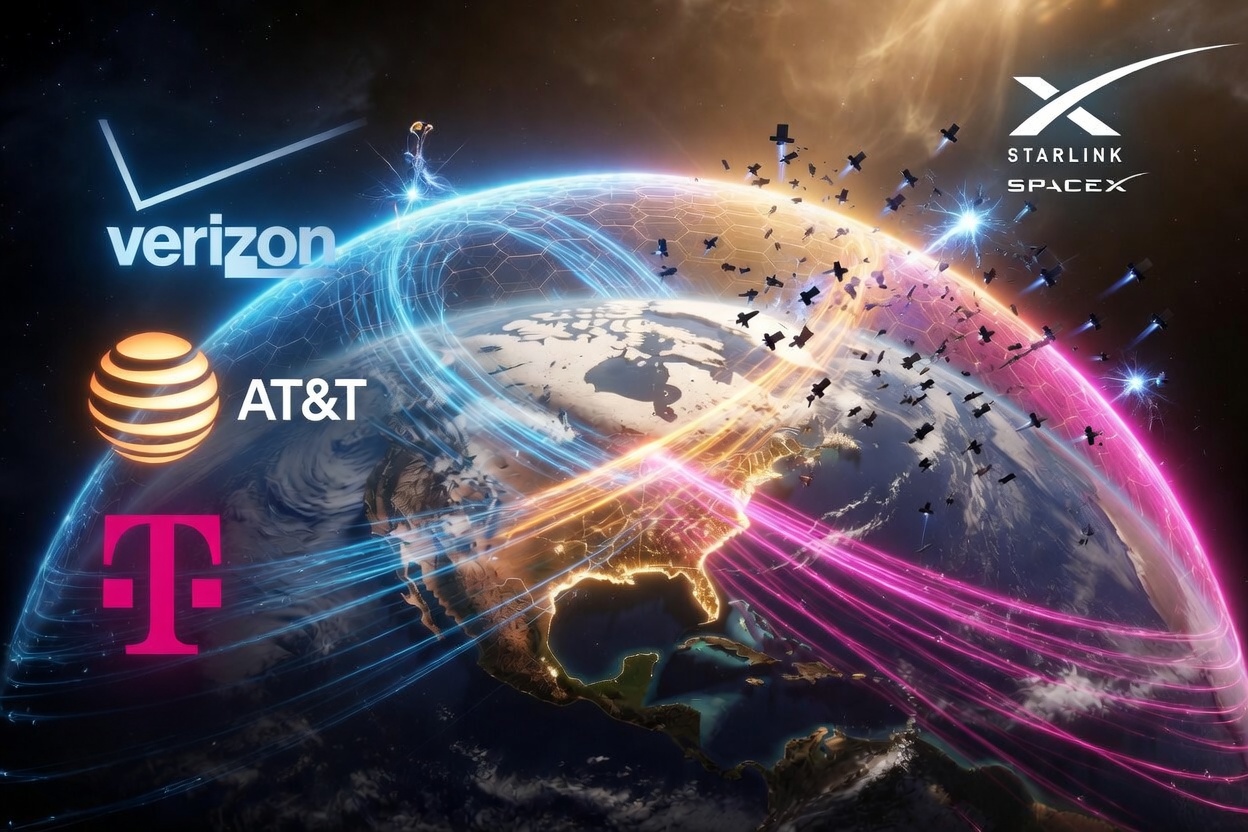
Analysts Float a SpaceX Carrier Deal as Starlink Mobile Grows

Wall Street analysts are speculating that a newly public, cash-rich SpaceX could pursue a wireless carrier such as T-Mobile, a move that would supercharge its Starlink Mobile ambitions.

3 min read
Analysts Float a SpaceX Carrier Deal as Starlink Mobile Grows

HAWTHORNE, Calif. — Fresh off one of the largest IPOs in history, SpaceX has Wall Street imagining its next big swing — and at least one analyst thinks it could be a wireless carrier. A new note making the rounds suggests the satellite giant has the firepower and the strategic logic to pair Starlink's orbital network with a terrestrial mobile operator.

The chatter is speculative, but it reflects how seriously the market now takes SpaceX's connectivity ambitions after Starlink Mobile's rapid rise.

The Analyst Case

TD Cowen analyst Gregory Williams floated the idea that SpaceX could acquire T-Mobile, calling it the "clear choice" if the company decided to pursue a network operator, while also naming AT&T as a candidate. A deal of that scale — T-Mobile alone could run to roughly 300 billion dollars — would likely be financed in part by selling additional SpaceX stock, an option the company now has as a publicly traded firm. SpaceX has already shown a post-IPO appetite for M&A, having moved to acquire AI coding startup Cursor in an all-stock deal. The thesis dovetails with SpaceX's broader Starlink Mobile strategy, including its work toward a U.S. consumer mobile service.

Wedbush's Dan Ives, meanwhile, continues to argue that SpaceX and Tesla will eventually combine, underscoring how analysts increasingly view Elon Musk's companies as converging into a single connectivity-and-compute powerhouse.
Analysts Float a SpaceX Carrier Deal as Starlink Mobile Grows — additional image

Why the Fit Is Compelling

The strategic logic is easy to see. A combined entity would marry T-Mobile's terrestrial 5G towers with Starlink's growing constellation of Direct-to-Cell satellites, effectively erasing dead zones across the United States and, eventually, much of the globe. SpaceX would instantly become a full-scale, facilities-based carrier with a satellite advantage no rival could match — pressuring competitors and deepening the moat around its fast-expanding direct-to-cell voice and data service.

That space-plus-terrestrial combination is exactly why incumbents have grown wary of Starlink Mobile, which already partners with T-Mobile and is scaling quickly toward broadband-class speeds from orbit.

A Big If — But a Telling One

For now, this remains firmly in the realm of analyst speculation: there is no indication SpaceX is actively pursuing a carrier, and any deal of that magnitude would face enormous regulatory, financial, and execution hurdles. Still, the fact that credible analysts are seriously modeling such a move says a lot about SpaceX's trajectory. As Teslarati reported, the company's post-IPO balance sheet and Starlink momentum have made even audacious scenarios feel plausible. Whether or not SpaceX ever buys a carrier, the conversation reinforces a simple takeaway: in connectivity, the market increasingly expects SpaceX to keep playing offense.