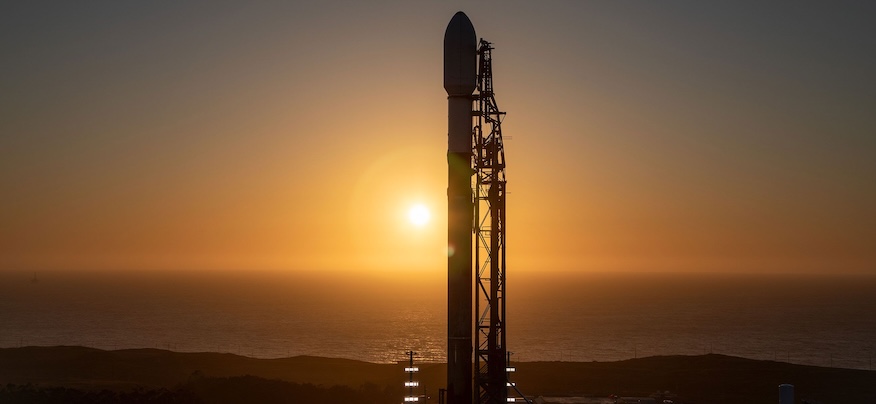
SpaceX Opens Second Half of 2026 With Vandenberg Starlink Launch

SpaceX kicked off the back half of 2026 with a Falcon 9 launch of 24 Starlink satellites from Vandenberg, closing in on its 632nd booster landing.

2 min read
SpaceX Opens Second Half of 2026 With Vandenberg Starlink Launch

HAWTHORNE, Calif. — SpaceX opened the second half of 2026 the same way it dominated the first, sending a Falcon 9 rocket climbing over the Pacific with another batch of Starlink satellites and pushing its reusable fleet toward yet another milestone.

The Starlink 17-46 mission lifted off from Space Launch Complex 4 East at Vandenberg Space Force Base on Wednesday evening, adding 24 broadband satellites to a constellation that now numbers more than 10,700 spacecraft. It capped a first half in which SpaceX launched nearly 1,600 satellites and cemented Starlink as the largest satellite network ever assembled.

A Workhorse Booster Returns

The mission flew on Falcon 9 first stage B1100, making its seventh trip to space after previously lofting the NROL-105 national security mission and five earlier Starlink batches. About eight minutes after liftoff, the booster targeted a touchdown on the drone ship Of Course I Still Love You, stationed in the Pacific.

If successful, the landing marked the 207th recovery on that vessel and the 632nd booster landing in SpaceX history, a running tally that underscores just how routine rapid reuse has become. Each recovered stage trims cost and turnaround time, feeding a cadence no competitor has matched.

SpaceX Opens Second Half of 2026 With Vandenberg Starlink Launch — additional image

Building on a Record Pace

The launch fits a relentless 2026 rhythm. SpaceX is on pace for more than 140 Falcon launches this year, a figure that would have sounded fantastical only a few years ago. West Coast Starlink missions from Vandenberg have become a near-weekly occurrence, steadily thickening coverage over the Pacific and expanding capacity for direct-to-cell service.

The economic logic is straightforward. Every additional Starlink satellite widens the network's reach and grows a recurring-revenue business that increasingly underpins SpaceX's valuation. The company's official launch manifest shows little sign of slowing, with back-to-back Starlink flights slotted across both coasts.

Beyond the satellite count, the steady drumbeat of launches keeps SpaceX's operational muscle sharp as it prepares for a busier era of Starship flights and crewed missions. Wednesday's launch was a reminder that even the routine flights are quietly extraordinary, a rocket flown for the seventh time, landed at sea, and readied to fly again.

With the constellation expanding and the pace holding firm, SpaceX enters the second half of 2026 exactly where it wants to be: launching often, landing reliably, and pulling further ahead.