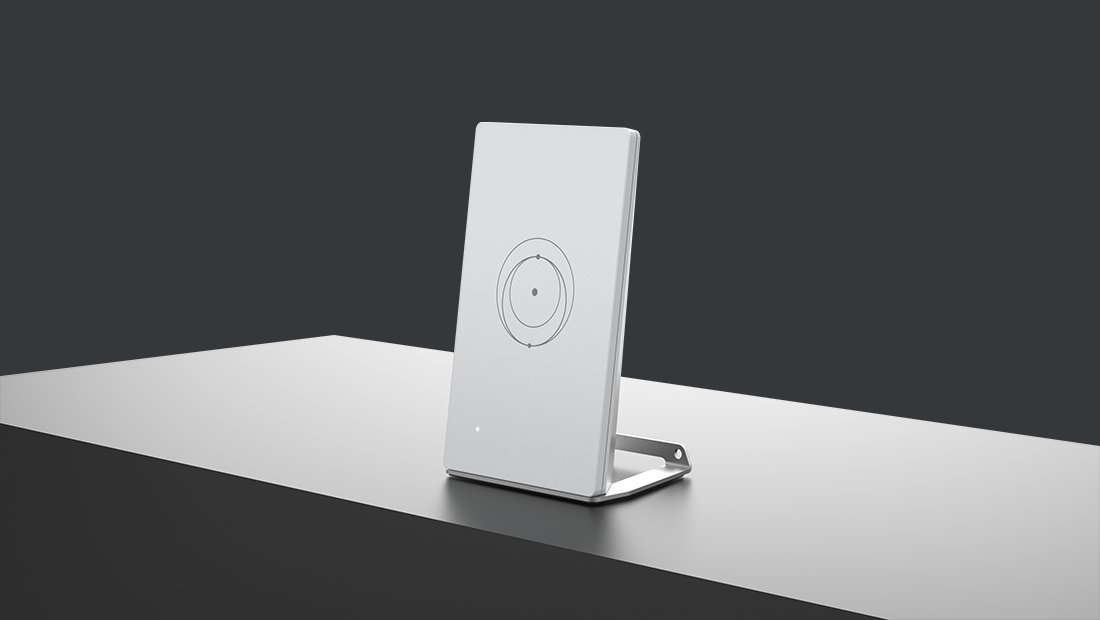
HAWTHORNE, Calif. — SpaceX's Starlink has secured a conditional exemption from the FCC's new ban on foreign-made Wi-Fi routers, giving the satellite-internet provider room to keep bringing new hardware to market while it expands U.S. manufacturing.
The waiver, effective from July 27, 2026 through February 1, 2028, clears Starlink to seek equipment authorization for future router models even as the broader rule blocks most new foreign-built devices. It applies only to new products; Starlink's existing Router 3 and Router Mini were already unaffected.
What the Exemption Covers
The FCC added foreign-produced consumer routers to its Covered List earlier this year after national-security agencies concluded they posed supply-chain and cybersecurity risks. Because the vast majority of routers are built at least partly overseas, the rule triggered an industry-wide scramble for waivers. Starlink builds some hardware in Vietnam while operating a manufacturing facility in Bastrop, Texas, and the exemption shields it from disruption while it shifts more production stateside. The relief adds to a run of regulatory and operational wins for the service, which recently passed 10 million users as its direct-to-cell business scaled.
Starlink was not alone in receiving the waiver — Amazon's Eero, Netgear, and others obtained similar relief — but for a company shipping hardware to millions of subscribers worldwide, the certainty matters.
Why It Signals a New Product
Industry watchers read the timing as a tell. Since the rule only applies to new products, an exemption suggests Starlink is preparing to launch fresh hardware in the coming months and simply needs time to move manufacturing to the United States. Speculation centers on a portable Mini 2 dish, a theory fueled by references spotted in recent firmware. Any new device would extend a roadmap that has steadily made Starlink hardware smaller, lighter, and more capable, complementing the network's rapid orbital growth as SpaceX keeps flying Falcon 9 at a record cadence.
Momentum on Multiple Fronts
The exemption is the latest in a string of favorable rulings for SpaceX, following earlier FCC approval to expand its second-generation constellation toward 15,000 satellites. Taken together, the decisions give Starlink a clear runway to keep scaling both its network and its consumer hardware without regulatory friction.
As Drive Tesla reported on the waiver, Starlink will need to either renew the exemption or shift enough production to Texas to shed the "foreign-made" label before it expires in early 2028. Either path points in the same direction: more Starlink hardware, made increasingly in America, reaching more customers.
For SpaceX, the message is that its connectivity business continues to clear hurdles at the same speed its rockets clear the pad — one more sign of momentum for a company expanding on every front.