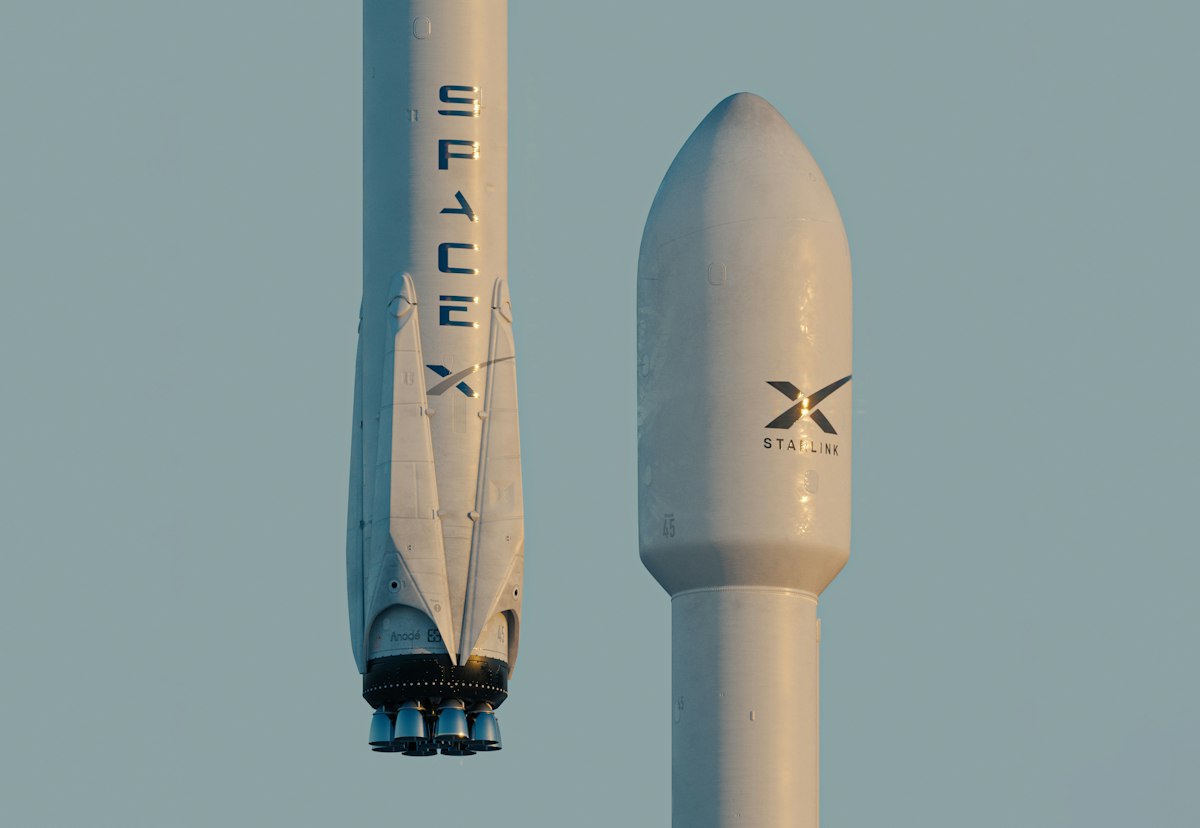
BOCA CHICA, Texas — When SpaceX's next-generation Starship lifted off from Starbase's new Pad 2 on May 22, 2026, Elon Musk had one word for it: 'Epic.' The flight marked the debut of Starship Version 3, the most powerful rocket ever built.
A Rocket Like No Other
Starship V3 stands 408 feet tall fully stacked, generating 18 million pounds of thrust at liftoff. It incorporates years of flight data into its most ambitious upgrade yet: new Raptor 3 engines, an updated propellant transfer system, docking ports for future in-orbit refueling, and a redesigned heat shield.
What Happened During Flight 12
After a scrubbed attempt on May 21, the rocket lifted off cleanly the following afternoon. Ship 39 — the first Block 3 upper stage — lost one Raptor Vacuum engine during ascent but completed the planned suborbital arc stretching halfway around the world, releasing 20 dummy Starlink satellites mid-flight. The upper stage made a controlled reentry and splashed down in the Indian Ocean as planned. Super Heavy failed its boostback burn and came down in the ocean — a setback engineers are analyzing.