Tesla's New Impact Report Recasts Mission as 'Amazing Abundance'

Tesla's 216-page 2025 Impact Report retires its old mission statement and reframes the company around AI, autonomy and robotics — with sustainability as the foundation.

3 min read
Tesla's New Impact Report Recasts Mission as 'Amazing Abundance'

AUSTIN, Texas — Tesla released the extended version of its 2025 Impact Report this week, and the 216-page document amounts to a company-wide reset. The mission statement that guided Tesla for two decades — accelerating the world's transition to sustainable energy — has evolved into something far broader: building "a world of amazing abundance."

From Sustainable Energy to Abundance

The report traces the evolution directly. Tesla's first mission, dating to its 2003 founding, was replacing gas-powered vehicles with alternatives that are safer, cleaner and more enjoyable. The 2016 SolarCity acquisition widened that to energy generation and storage for homes, businesses and grids. Now, the company writes, "through the continued advent of autonomy and robotics, we can produce goods more efficiently, make more of them and make them more affordable."

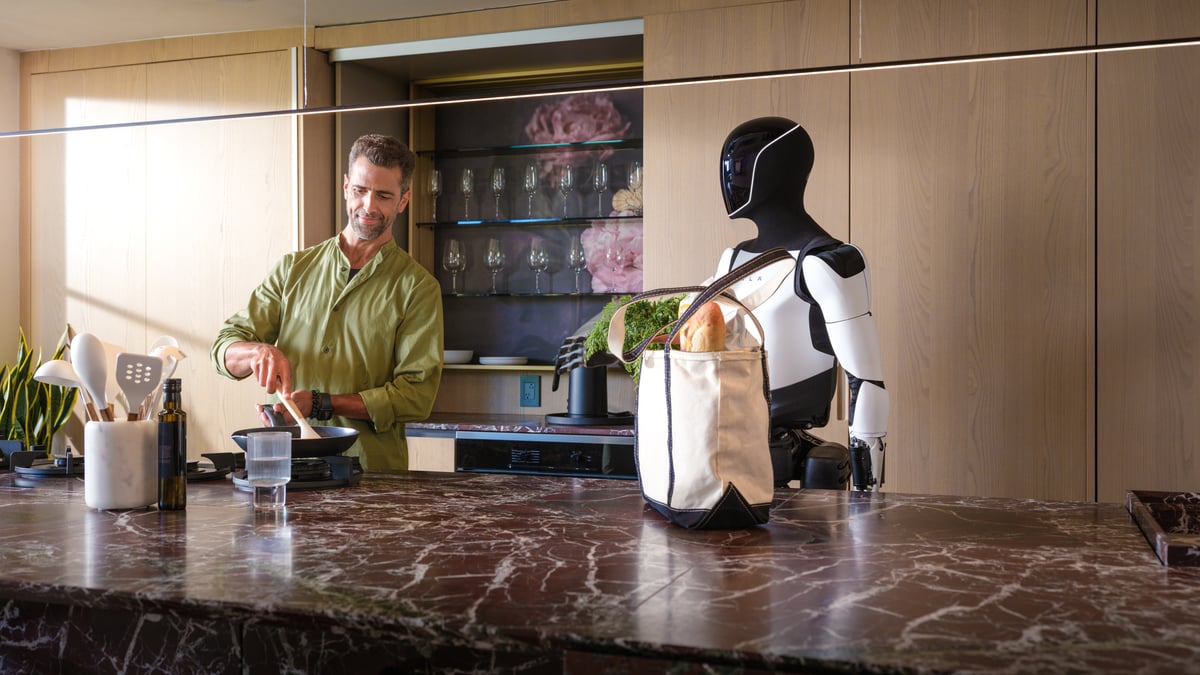
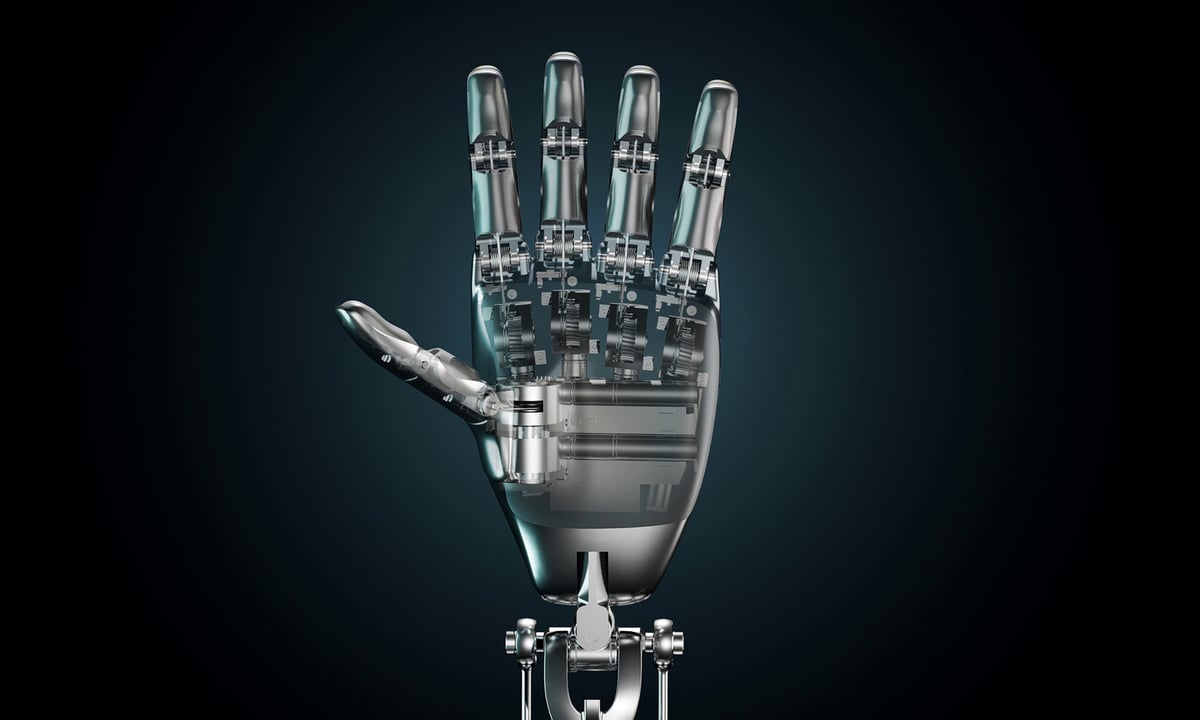
The new framing puts artificial intelligence at the center: "The advancement and adoption of artificial intelligence and autonomy is key to the success of our mission." Sustainability is described as the foundation of a company whose real goal is making "transport, energy and labor more affordable, accessible and safe for every person on the planet." That word — labor — is new, and it points squarely at the Optimus humanoid robot program, which is beginning its production ramp at Fremont.

Physical AI as a Force for Good

A dedicated governance section commits Tesla to "building physical AI products that make the world cleaner, safer and more enjoyable," with the Board of Directors directly overseeing AI initiatives. The report cites the 2025 launch of Tesla's first fleet of fully autonomous robotaxi vehicles as the clearest expression of that oversight in action.

Tesla's New Impact Report Recasts Mission as 'Amazing Abundance' — additional image

The humanitarian case is laid out with unusual specificity. About 1.2 million people die in traffic accidents globally each year, and among people aged 5 to 29, traffic injuries are the leading cause of death — numbers Tesla believes autonomy will change. On the labor side, the report notes nearly 3 million work-related deaths and roughly 395 million occupational accidents annually, arguing Optimus will take on dangerous, repetitive tasks "so that people can spend more time on impactful work and important moments."

The Targets Stay

The rebrand does not soften Tesla's environmental commitments. The company reaffirms net-zero greenhouse gas emissions across its full value chain by 2040, plus 100% renewable operational electricity well before that date. Its Supercharger network was matched 100% with renewable electricity for the fifth consecutive year, and Gigafactory Berlin-Brandenburg matched 100% of its consumption for the third year running.

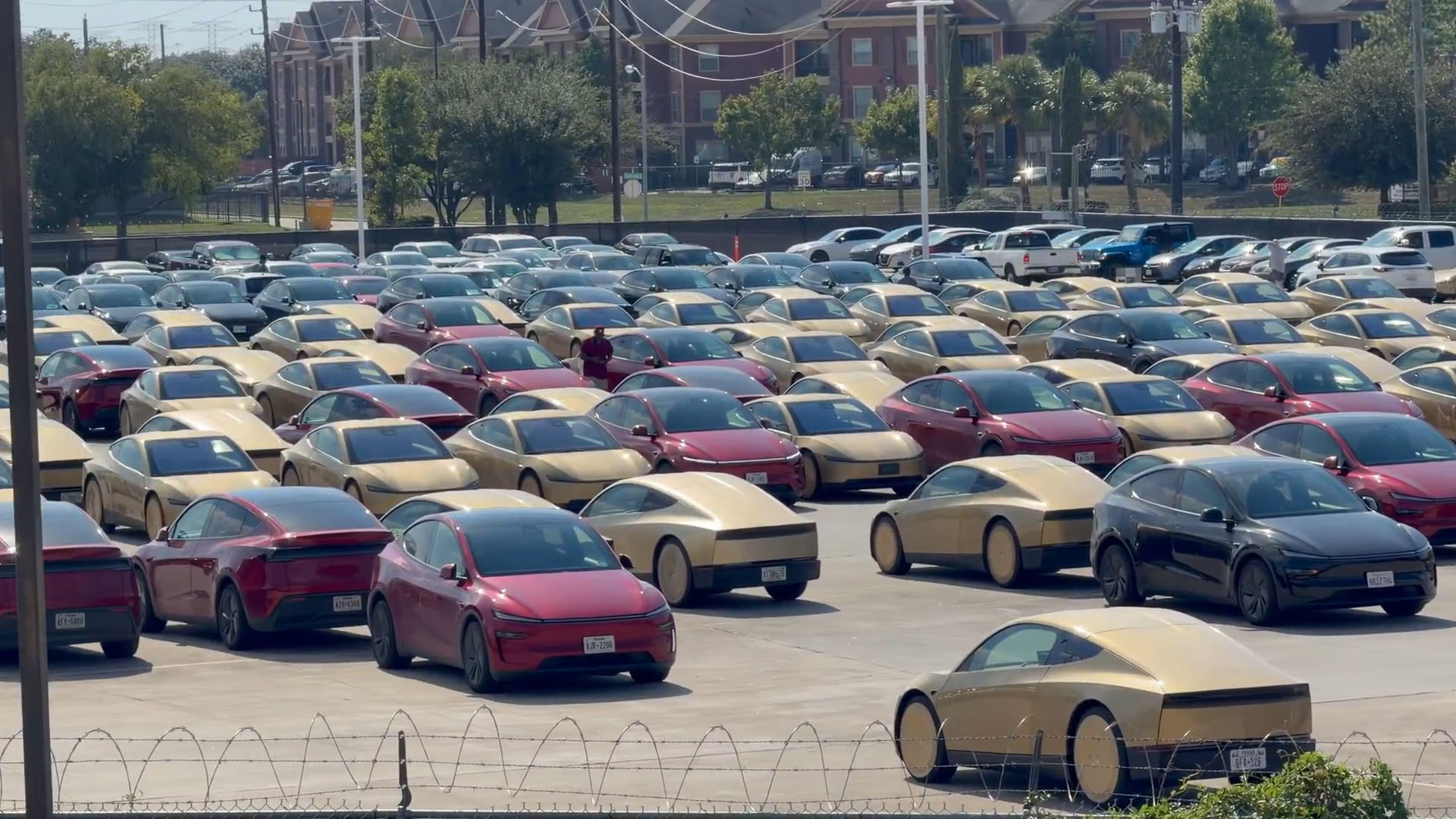
The report argues the abundance thesis and the climate thesis are the same thesis: every product in the ecosystem — vehicles, storage, solar, charging and eventually Cybercab rolling off the line at Giga Texas — displaces fossil fuels as it scales. Customers avoided nearly 37 million metric tons of CO2e in 2025 alone.

For readers who want the primary source, the full extended report is available at Tesla's Impact page. What it describes is a company that no longer sees itself as an automaker with a clean-energy side business, but as an AI and robotics company whose products happen to decarbonize the world as they spread — and that, Tesla argues, is exactly how the mission gets accomplished faster.