AUSTIN, Texas — Tesla is putting a familiar piece of hardware to a clever new use. According to Vice President of Engineering Lars Moravy, the company is now using its vehicles' internal microphones to listen for build-quality flaws before a car ever leaves the factory — an approach he describes as the beginnings of an AI system Tesla calls "Full Self-Hearing."
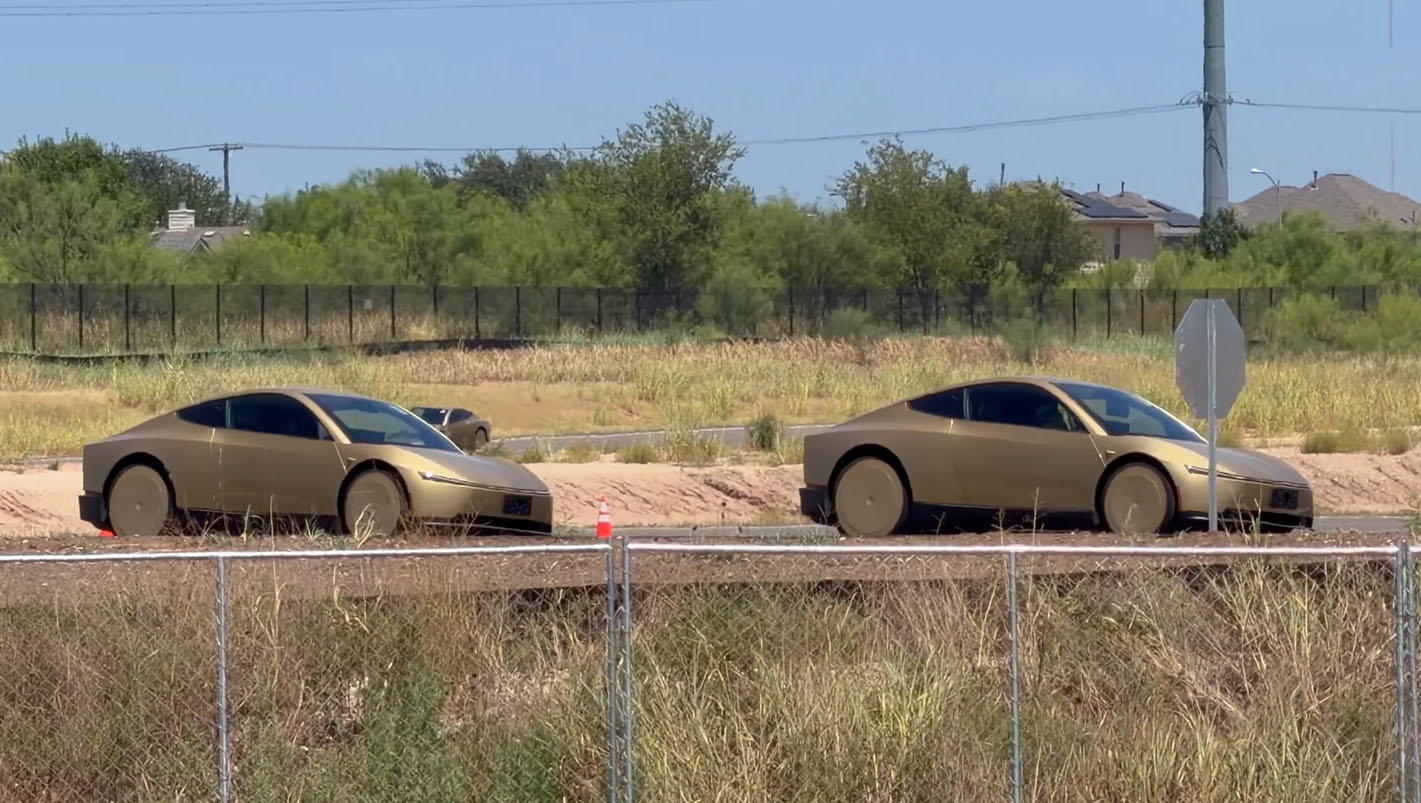
The reveal, shared in a recent interview and reported by Teslarati, highlights how Tesla keeps folding software and automation into problems that most automakers still handle manually. It also builds on the autonomy work already unfolding at Giga Texas, where cars have been navigating the plant on their own for some time.
How "Full Self-Hearing" Works
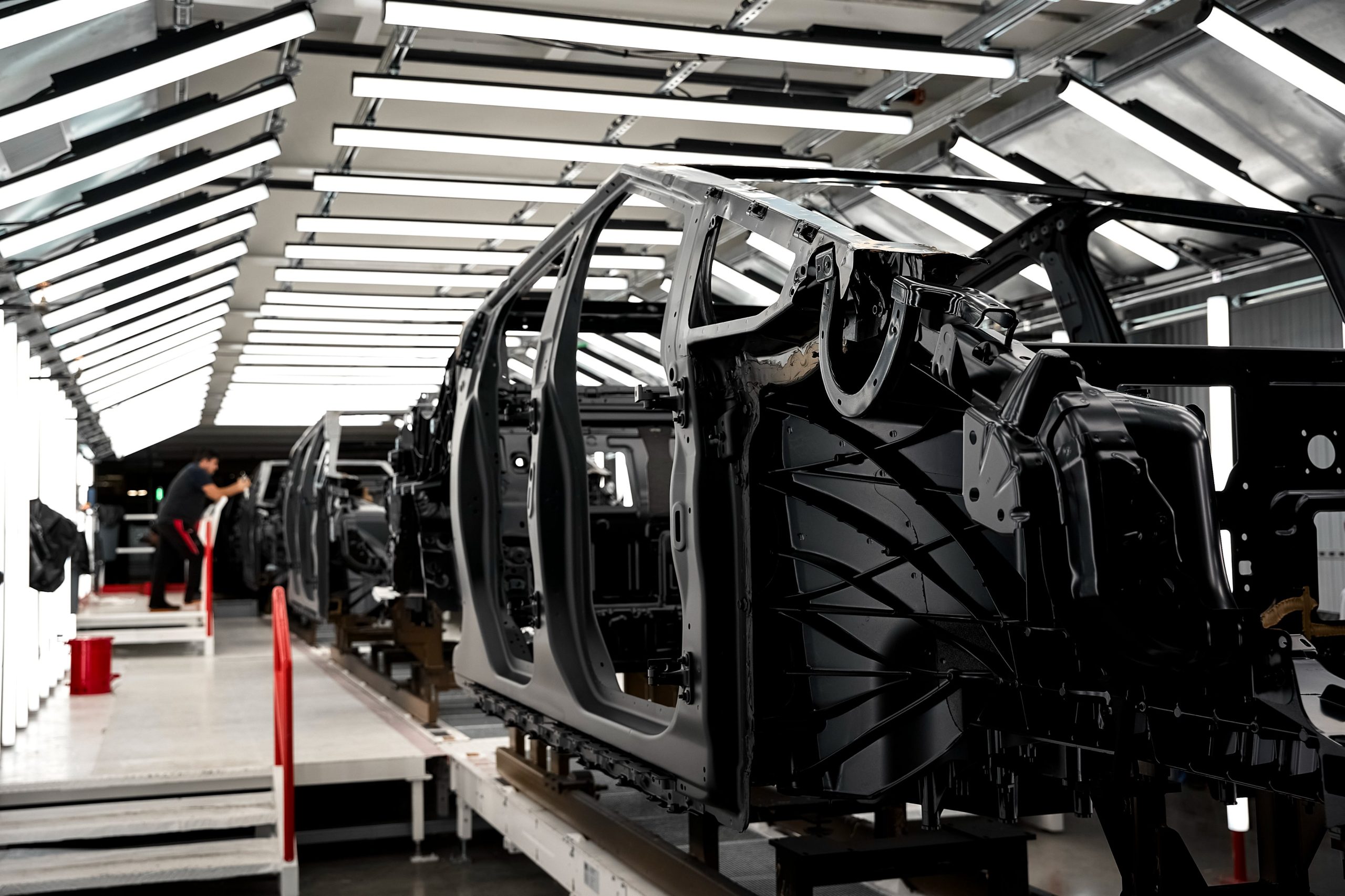
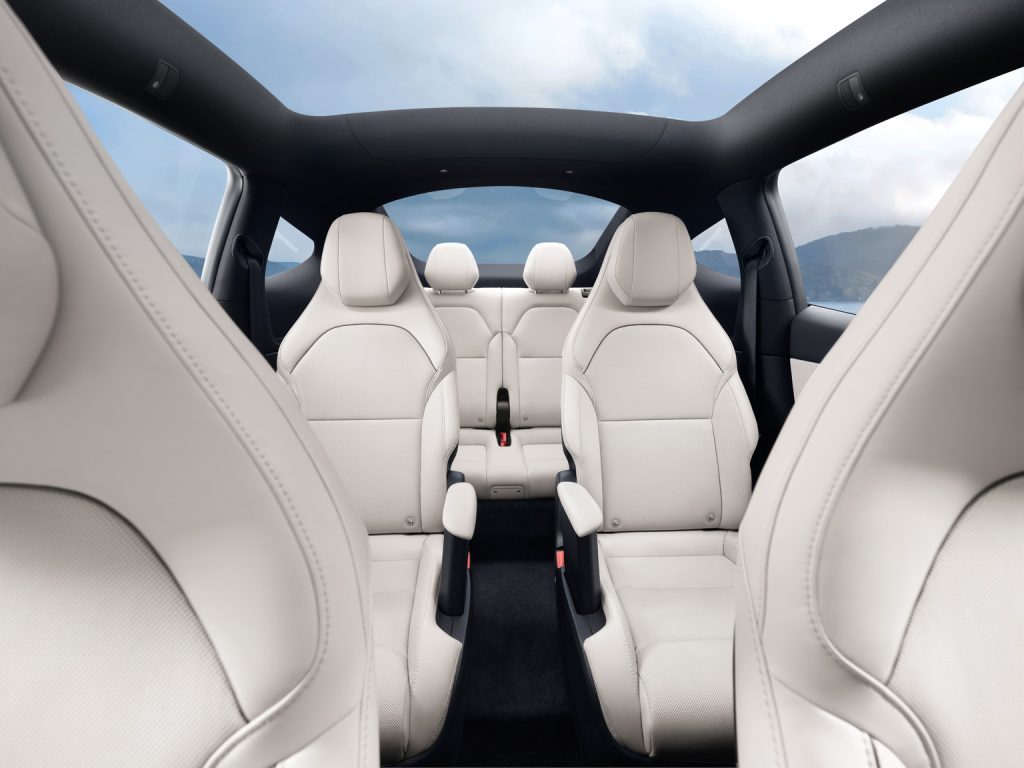
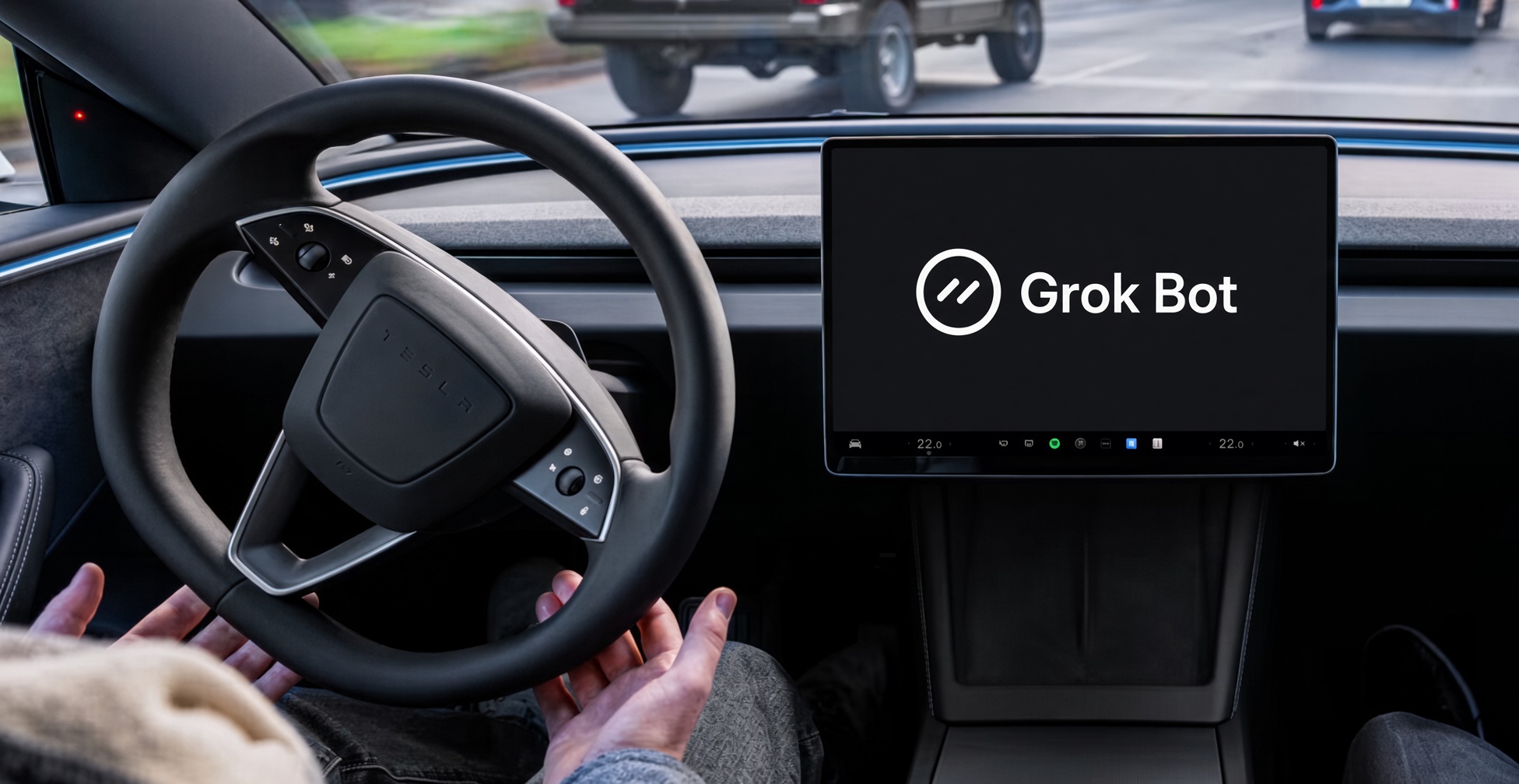
At Gigafactory Texas, vehicles rolling off the line now drive themselves autonomously through a dedicated bumps, squeaks and rattles — or BSR — section of the production process. As each car moves through that stretch, its cabin microphones, the same ones used for calls and voice commands during ownership, simultaneously listen for any unusual noises that betray a loose or improperly installed part.
The goal, Moravy explained, is an AI system that can detect minor imperfections automatically so they can be corrected before delivery. In practice, that means every car leaving the line can be screened for creaks, squeaks and squeals without a human inspector needing to catch each one by ear.
A Step Change in Quality Control
Build quality was a genuine pain point as Tesla scaled to more than 1.6 million vehicles a year, but the company has steadily narrowed the gap, particularly in the U.S., through advances like large single-piece castings. Turning the microphones into an always-on quality sensor is one of the more inventive steps yet, adding a data-driven backstop to the fit-and-finish improvements customers have already noticed.
Tesla is not alone in using acoustics on the factory floor — Ford, for example, applies acoustic-analysis AI to flag abnormalities in seat motors and climate units — but few rivals have wired the technique directly into the car's own sensor suite and paired it with autonomous movement through the line. That vertical integration is classic Tesla, and it mirrors the software-first mindset behind features like its latest Full Self-Driving rollouts.
Why It Matters
For buyers, the payoff is straightforward: a better chance that a new Tesla arrives free of the small annoyances that can sour an otherwise premium experience. For Tesla, the effort reflects a broader philosophy of treating manufacturing as a software problem, where every station on the line generates data that can be measured, learned from and improved.
As Tesla ramps new products and pushes toward higher volumes, tools like Full Self-Hearing suggest the company intends to keep raising its quality bar automatically — one microphone, and one quiet cabin, at a time.