Tesla Closes $1.95 Billion AI Hardware Acquisition

Tesla's Q2 10-Q confirms it completed a $1.95 billion AI hardware acquisition, adding chip talent and patents to a record year of AI investment.

3 min read
Tesla Closes $1.95 Billion AI Hardware Acquisition

AUSTIN, Texas — Tesla has formally closed the mysterious AI hardware acquisition it first hinted at in April, with its new quarterly filing putting a final figure on the deal: $1.95 billion, paid entirely in Tesla stock and equity awards.

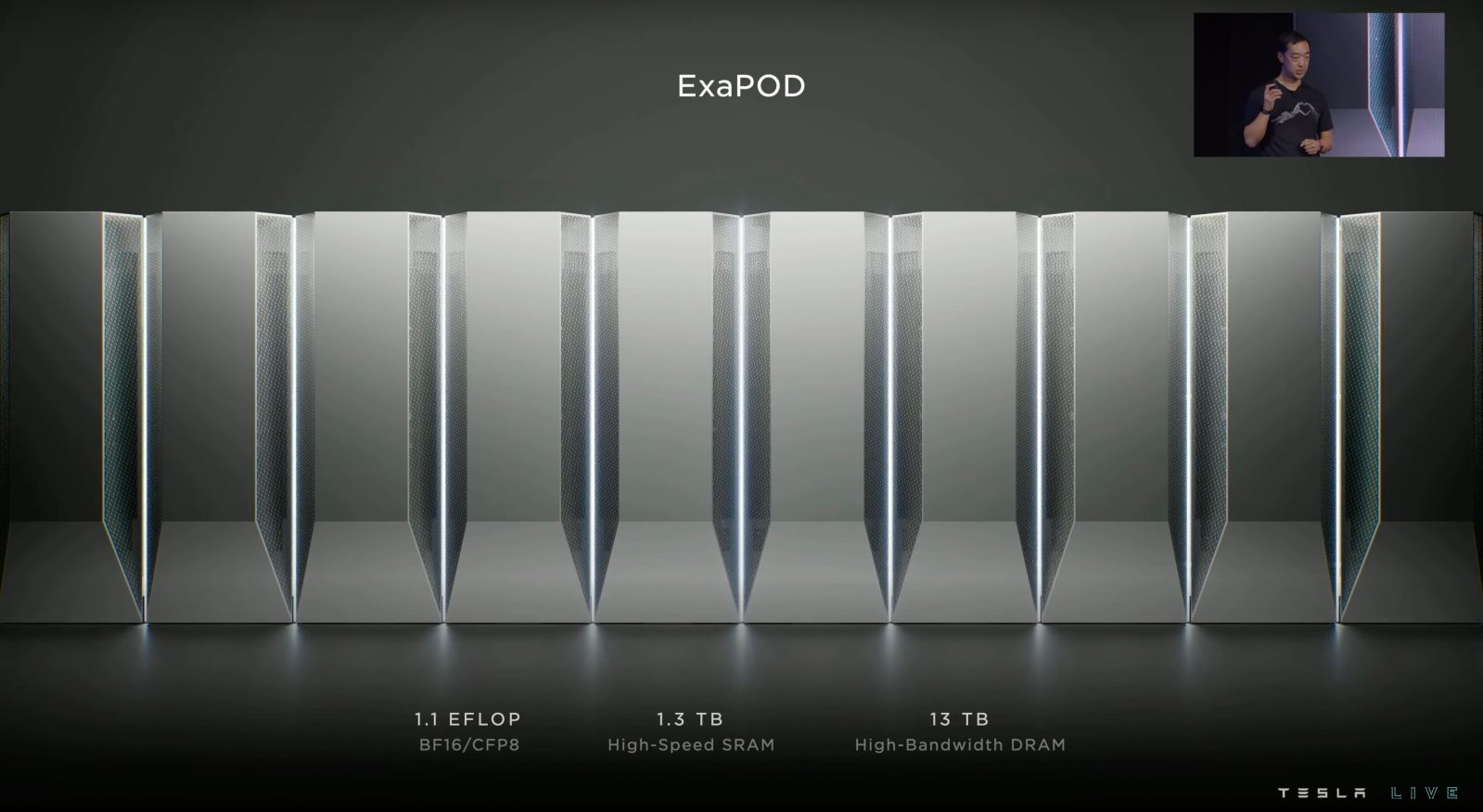
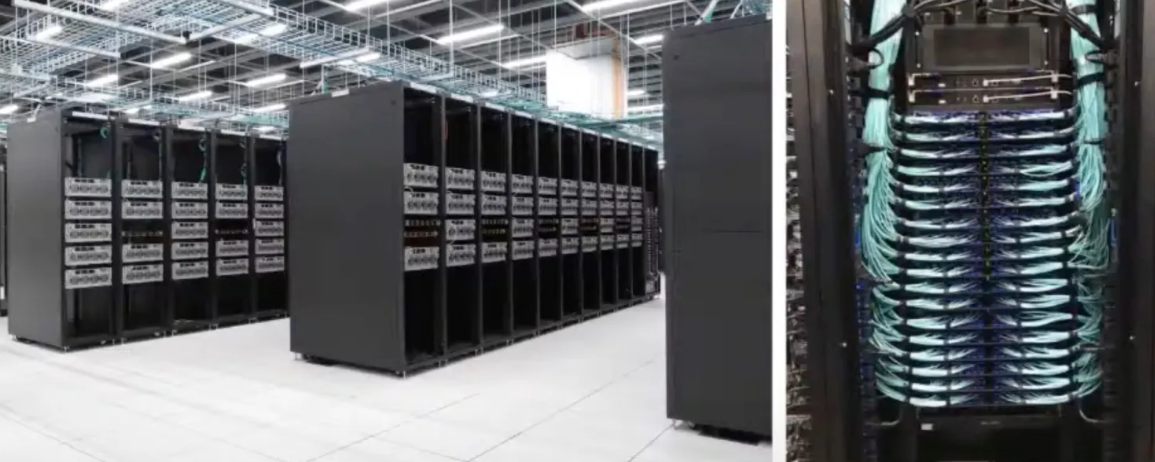
According to Note 3 of Tesla's Q2 2026 10-Q, the company "acquired an AI hardware company in an asset acquisition for $1.95 billion." Of that, $222 million was allocated to a patent and related developed-technology intangible asset, while the remaining $1.73 billion is tied to service conditions and deployment milestones — the structure of a talent-and-IP acquisition aimed squarely at Tesla's in-house silicon ambitions. The move slots neatly into the AI push behind projects like the Cortex 2 training supercluster.

What the filing shows

The deal is the same one Tesla quietly disclosed in its Q1 filing, when it described only an agreement to buy an unnamed AI hardware company for "up to $2.00 billion." The Q2 numbers line up cleanly: the ceiling became a finalized $1.95 billion, and the roughly $1.8 billion contingent slice settled at $1.73 billion. The April agreement was consummated during the second quarter.

Tesla has not named the target. Market watchers have pointed to chip startup DensityAI, largely formed by veterans of Tesla's former Dojo supercomputer team, but the company has confirmed nothing beyond the filing. What is clear is that Tesla wanted the team and the intellectual property enough to structure a nearly $2 billion, milestone-driven package around keeping them.
Tesla Closes $1.95 Billion AI Hardware Acquisition — additional image

Part of Tesla's biggest investment year

The acquisition fits a much larger pattern. Tesla has called 2026 its biggest investment year ever, pouring capital into AI compute, its Austin semiconductor development fab, next-generation AI5 and AI6 chips, and the SpaceX-linked Terafab project. As detailed in our look at the Tesla-SpaceX Terafab chip plant, the company is building an end-to-end silicon pipeline to feed Full Self-Driving, Optimus, and its data centers.

Absorbing a specialized AI hardware team is exactly the kind of bolt-on that accelerates that roadmap. Custom accelerators tuned for Tesla's own workloads reduce its dependence on outside suppliers at a moment when compute is the industry's scarcest resource — an advantage few automakers can even contemplate.

A quiet deal with loud implications

For the second straight quarter, Tesla booked a multibillion-dollar transaction as a single line in an SEC filing. As Electrek reported, the disclosure arrived without a press release or a name attached. But the strategic logic is straightforward: Tesla is stacking chip talent, patents, and compute capacity as fast as it can, and it is willing to use its stock to do it.

With the AI hardware team now inside the tent and the milestone clock running, Tesla has added one more piece to a vertically integrated AI stack that stretches from silicon design to the vehicles and robots that run on it.