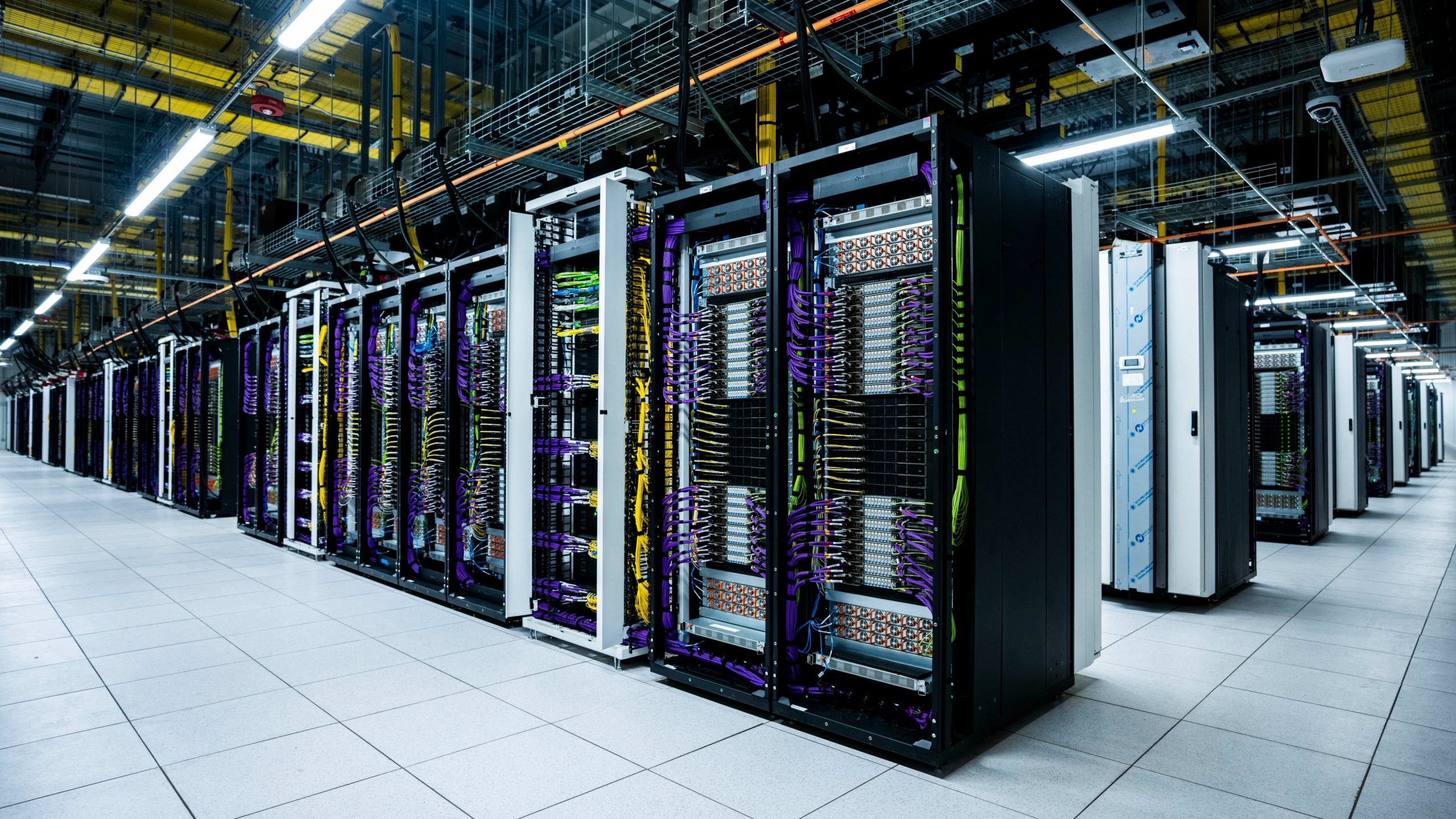
AUSTIN, Texas — Tesla is pouring power into the machines that teach its cars and robots to think. On its July 22 second-quarter earnings call, the company said onsite training compute capacity in Texas more than doubled in megawatt terms during the first half of 2026, anchored by a new supercluster the company calls Cortex 2.
The buildout is central to Tesla’s transformation into an AI company, and management made clear the spending will keep climbing as it trains larger models for autonomy and Optimus.
From Cortex 1 to Cortex 2
Tesla said its original Cortex 1 cluster now runs at 90 megawatts, while the newly online Cortex 2 clocks in at 115 megawatts. Cortex 2 supports software training for both the vehicle fleet and Optimus, with more capacity scheduled to come online through the end of 2026 and into 2027.
That compute is the engine behind Tesla’s data flywheel, the same one feeding its rapidly expanding Robotaxi network. Every mile driven and every intervention corrected becomes training data, and bigger clusters mean Tesla can turn that data into better models faster.
Megapods at Idle Superchargers
One of the more creative disclosures involved what Tesla calls Megapods, packages of AI4 computers built in enclosures similar to the company’s Megapack battery, paired with x86 processors for running what Tesla refers to as Digital Optimus.
The idea is to scale AI compute by dropping these units at Superchargers and tapping power that would otherwise go unused during off-peak hours. It is a distinctly Tesla solution, turning its charging and energy footprint into distributed compute nodes, and it reflects the company’s belief that owning energy infrastructure is a competitive advantage in the AI race, a theme also visible in its record energy storage deployments.
Spending to Win
Tesla acknowledged that capital expenditure doubled in the quarter as it funds new factories and data centers, and said that pattern is likely to continue over the coming quarters. Leadership stressed that Tesla has more than enough liquidity to fund the buildout internally and can borrow efficiently against its balance sheet if needed.
The investment case, as detailed in Tesla’s Q2 earnings call, is that today’s compute spending seeds tomorrow’s software and services revenue. As Cortex 2 comes fully online and Megapods spread across Tesla’s network, the company expects its training capacity, and the intelligence of its cars and robots, to keep compounding well into 2027.