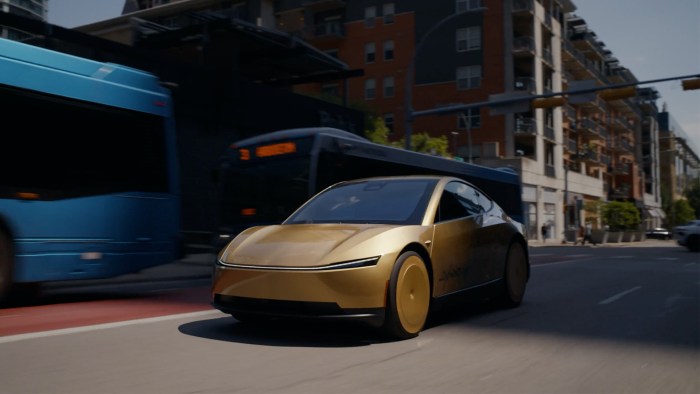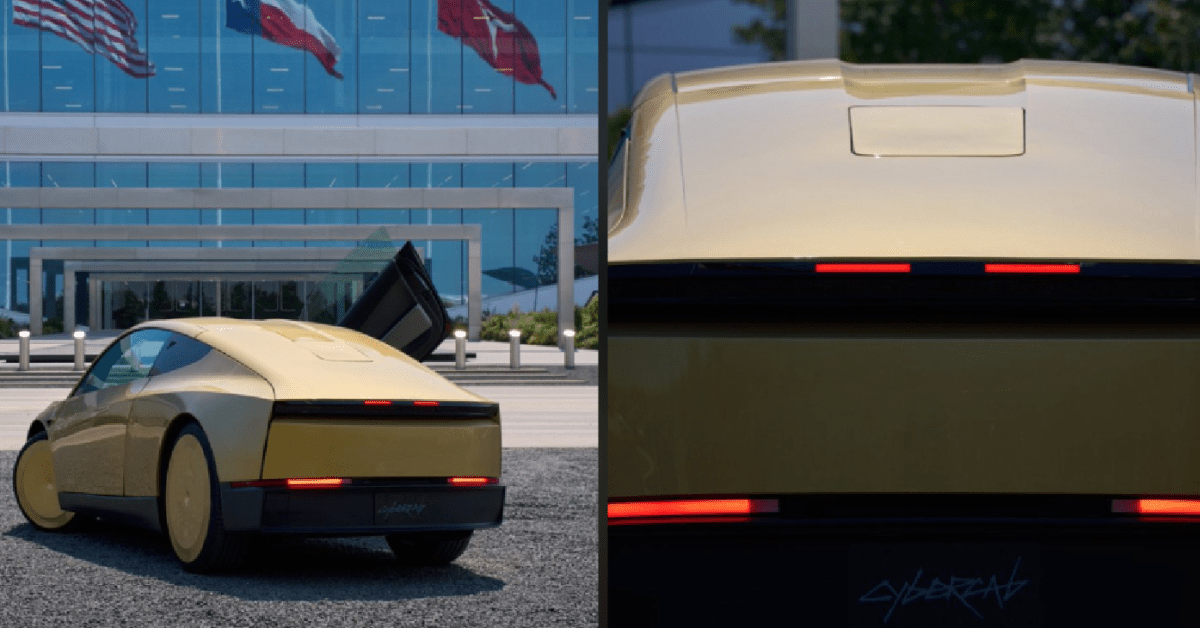
AUSTIN, Texas — Days after Tesla put its purpose-built Cybercab on public streets in Austin, the National Highway Traffic Safety Administration opened a review of how the company certified the two-seat robotaxi, and Tesla says it is confident the vehicle meets every applicable federal standard.
The audit, logged by NHTSA's Office of Defects Investigation, covers roughly 1,000 Cybercabs and examines the technical basis Tesla used to certify a vehicle that has no steering wheel, pedals or mirrors. Tesla told the agency the Cybercab complies with all applicable Federal Motor Vehicle Safety Standards and that it plans to expand deployment gradually to more vehicles and locations, building on its public robotaxi launch in Austin.
How U.S. Certification Works
In the United States, automakers do not receive pre-approval from a regulator before selling a vehicle. Instead, they self-certify that a design meets federal safety standards, and NHTSA can examine that work afterward. Post-launch queries of this kind are a routine feature of the system, not a finding of any defect. Tesla has navigated similar reviews before, including during the Cybertruck rollout, without a recall resulting.
A Purpose-Built Machine
The Cybercab is unlike anything the existing rulebook anticipated. Many federal standards were written around a human driver and assume a steering wheel, brake pedal and side mirrors. Tesla's engineers designed the Cybercab from a clean sheet as an autonomous-only vehicle, and the company determined that certain standards written for human controls simply do not apply to a car that has none. That novel engineering, including a radically simplified brake-by-wire drive system, is precisely what makes the Cybercab cheaper to build and operate.