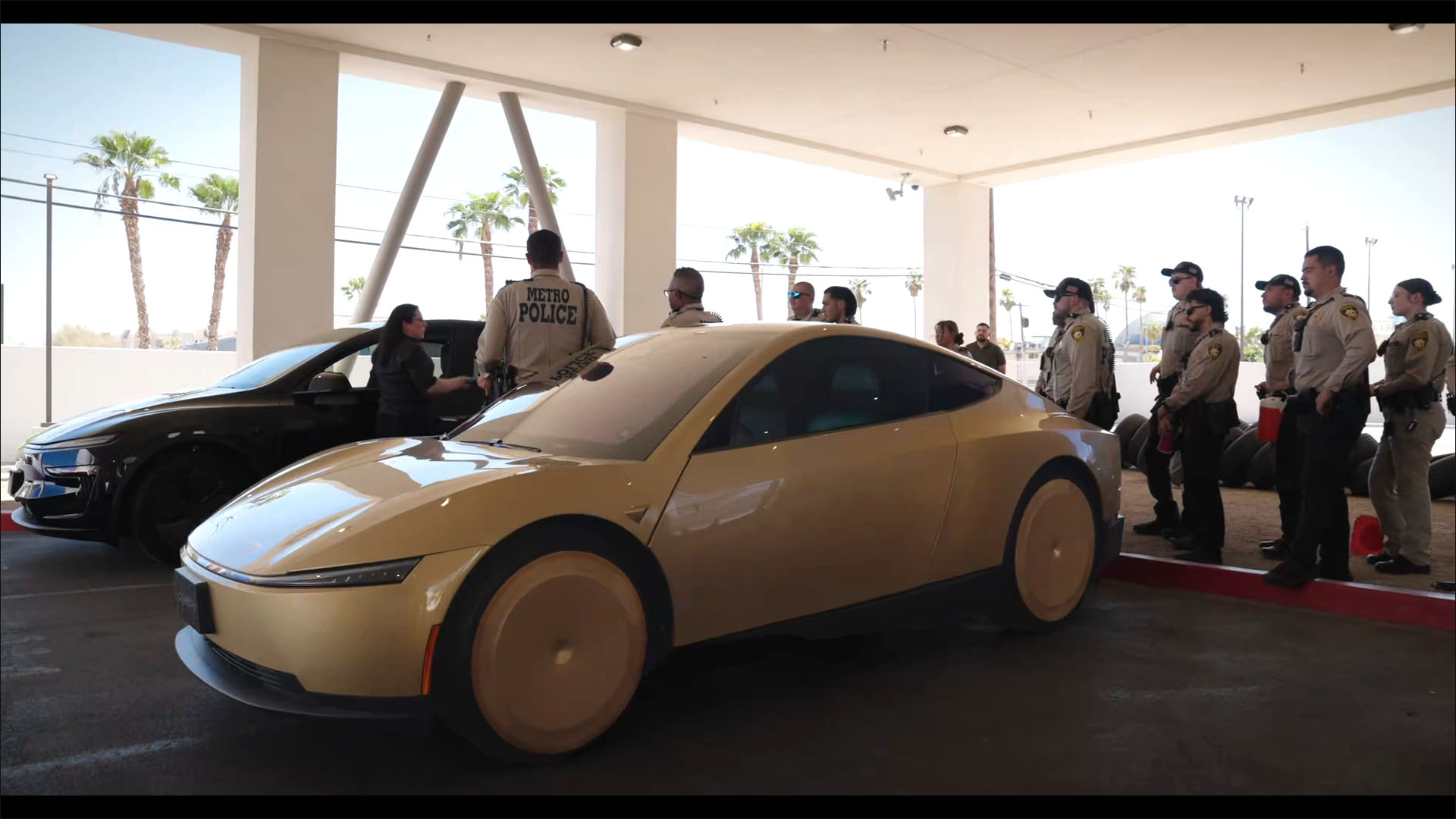
AUSTIN, Texas — Tesla is placing emergency crews at the center of its robotaxi expansion, showing Austin first responders how to safely handle the Cybercab and Model Y Robotaxi in a crash, fire or breakdown and folding their feedback directly back into the vehicles.
In a video and briefing shared September 18, the company detailed a program that brings firefighters, police officers and paramedics face to face with its driverless fleet before those vehicles carry passengers on public roads. The effort is a deliberate signal that Tesla wants its autonomous cars to behave as good citizens in every city they enter, and it arrives as regulators sharpen their focus on how the purpose-built Cybercab was certified, a process Tesla has agreed to detail for federal safety officials.
Hands-On Before the Streets
Rather than mail out a manual and move on, Tesla is giving departments time with the hardware. Crews learn where to cut power, how to move a vehicle that has lost drive, and how to interact with a car that has no human behind the wheel. Because a stalled Cybercab could become an obstacle in an emergency, responders are shown how to turn the wheels and push it clear when needed.
The company has published a Cybercab First Responder Interaction Plan, an emergency response guide and a rescue sheet, and it offers both in-person and virtual sessions through a dedicated safety contact. That documentation sits alongside Tesla's broader robotaxi safety case, which the company continues to detail as it answers questions about the Cybercab's certification.
Feedback That Changes the Car
The most important part of the program is the loop back to engineering. Tesla says the questions and concerns raised by responders in Austin are being used to refine the fleet's crash and fire safety systems, so that lessons learned on the ground reshape the vehicles themselves rather than gathering dust in a binder.
That approach mirrors how Tesla has handled its driver-assistance stack, where real-world data steadily hardens the software. The same philosophy now extends to the people who show up when something goes wrong, and it dovetails with the company's push to take robotaxi service to a round-the-clock footing as new full self-driving builds arrive. Every city on Tesla's map inherits the training playbook refined in Austin.
A Foundation for Scale
First responder coexistence has become a strategic priority, not an afterthought, and the reason is simple: trust travels faster than any single vehicle. Departments that have trained with the fleet become informed partners rather than surprised bystanders, and that goodwill smooths the path to new markets.
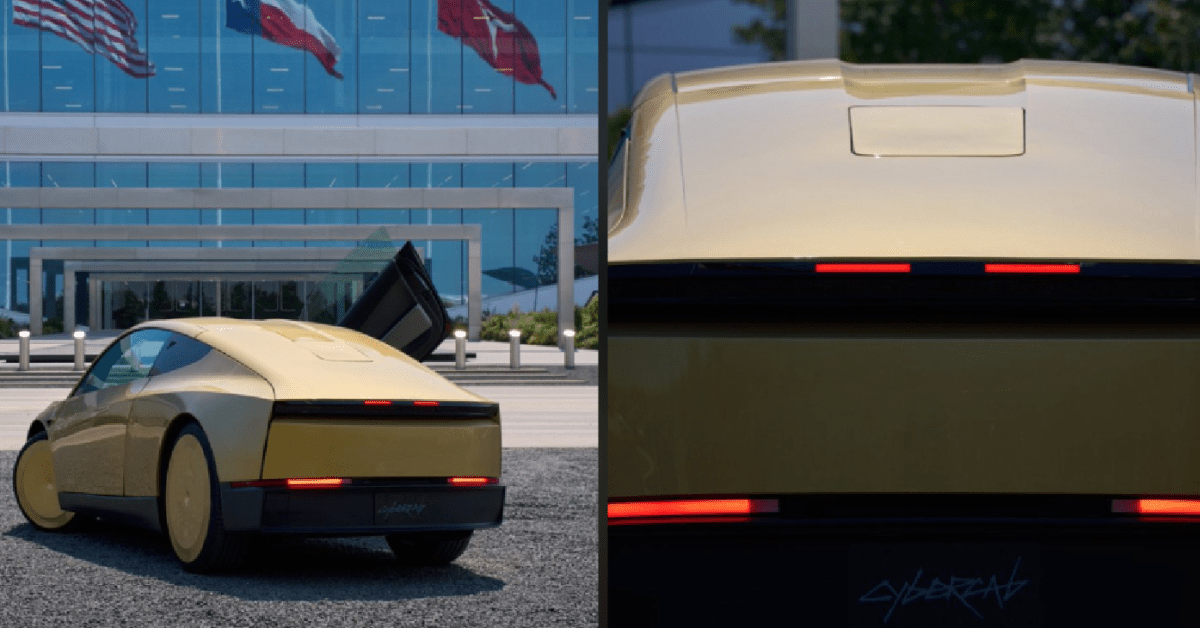
With the Cybercab now shipping from Giga Texas and Tesla widening its robotaxi footprint, the groundwork being laid with Austin's emergency services is the quiet infrastructure behind the headline technology, as Tesla Oracle reported. If Tesla can make its driverless cars easy for first responders to work around, it removes one of the last human-scale obstacles between the Cybercab and a nationwide rollout — and turns a safety obligation into a competitive advantage.