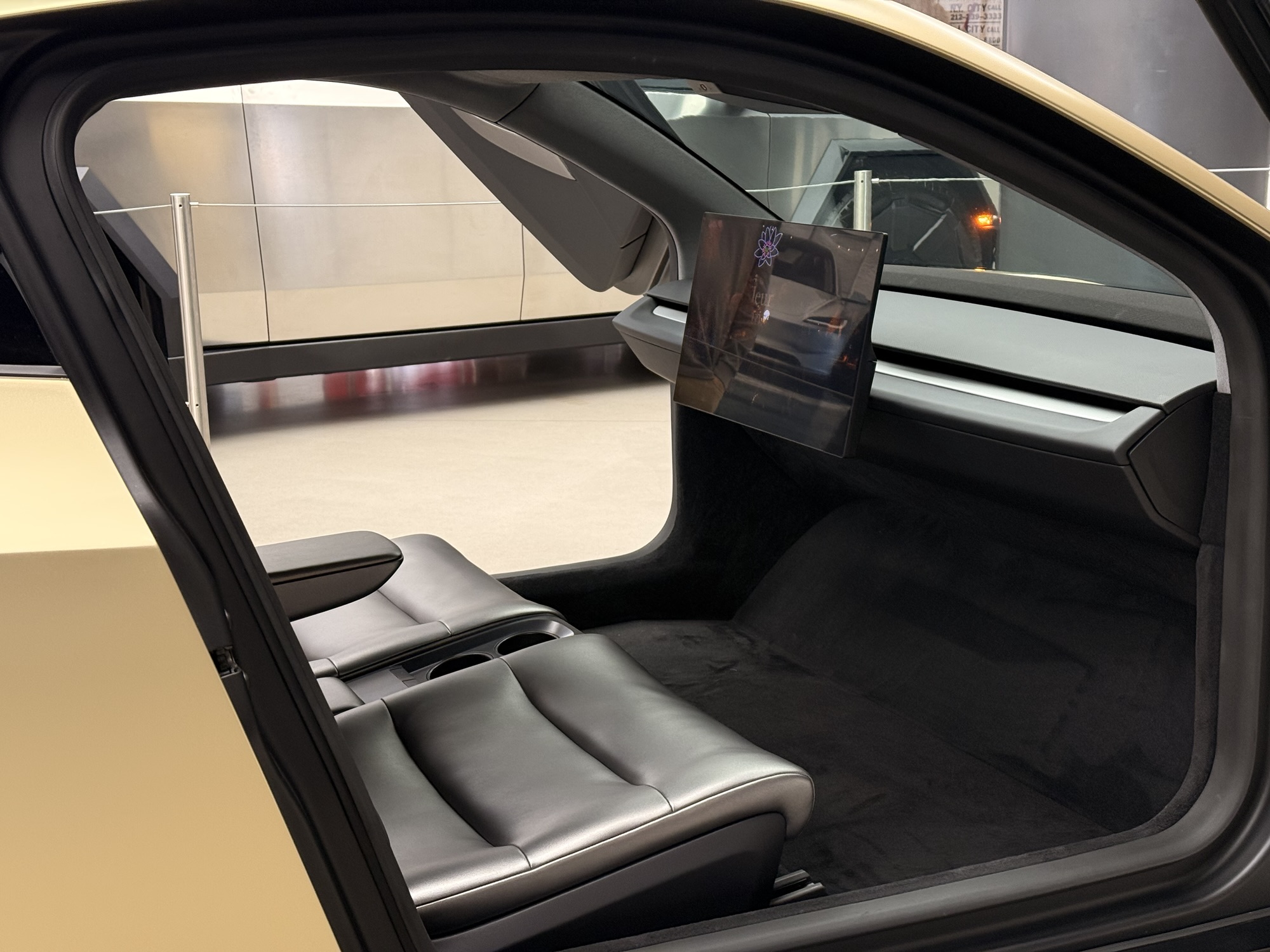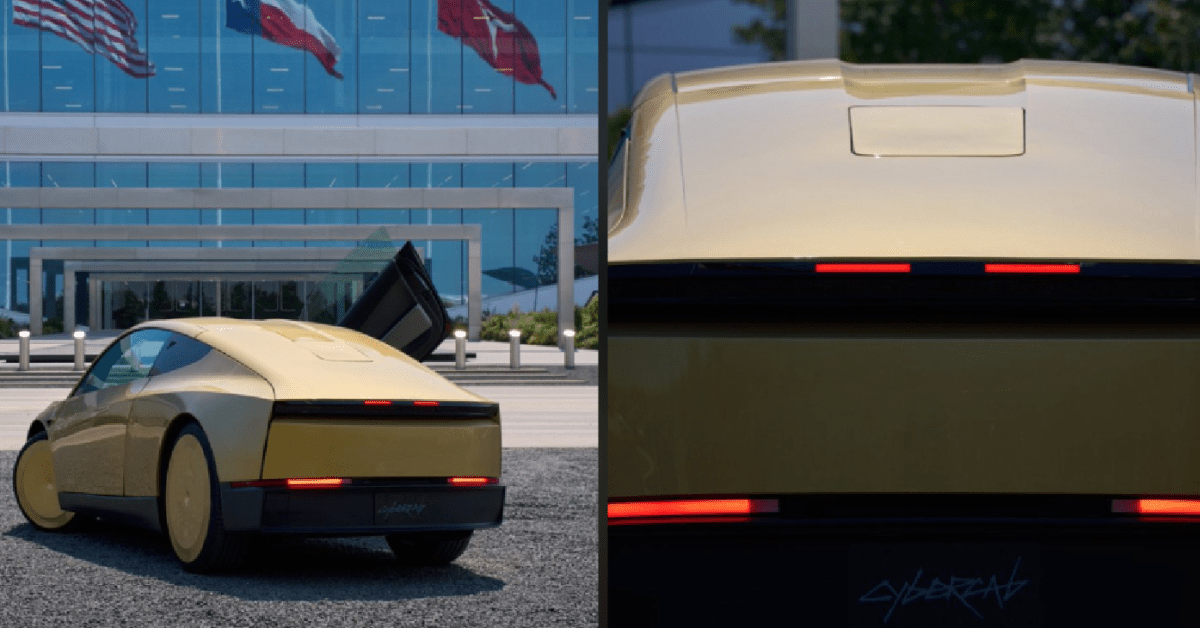

AUSTIN, Texas — Tesla's robotaxi is coming off the line in real numbers. More than 100 of the steering-wheel-less, pedal-free Cybercabs are now staging in the outbound lots at Gigafactory Texas, a visible sign that the company's purpose-built two-seater has moved from prototype to genuine series production.
The Cybercab began continuous production at Giga Texas in April, and the ramp has been building steadily since. Musk has described the trajectory as a "stretched-out S-curve" — deliberate now, then "going kind of exponential towards the end of the year." Seeing triple-digit inventory in the lots is the first concrete evidence that the curve has started to bend upward, following the engineering tests Tesla ran on public roads earlier this year.
A factory built to scale without a ceiling
One of the smartest moves behind the Cybercab is regulatory. Tesla designed the vehicle to self-certify against all Federal Motor Vehicle Safety Standards, which lets it sidestep NHTSA's 2,500-unit annual cap on exemption vehicles. In practice, that means there is no artificial ceiling on how many Cybercabs Tesla can build — the only limits are tooling, supply chain, and the pace of the assembly line, all areas where Tesla has a long track record of ramping hard.
The manufacturing story also lines up with Tesla's broader Giga Texas scaling push, a campus that already spans more than 10 million square feet and hosts Cybertruck production, high-volume Model Y output, 4680 cell manufacturing, and a Dojo compute cluster. Building a fleet of robotaxis in the same place Tesla builds its best-selling cars gives the program the benefit of the company's most mature production system, as detailed by Electrek.