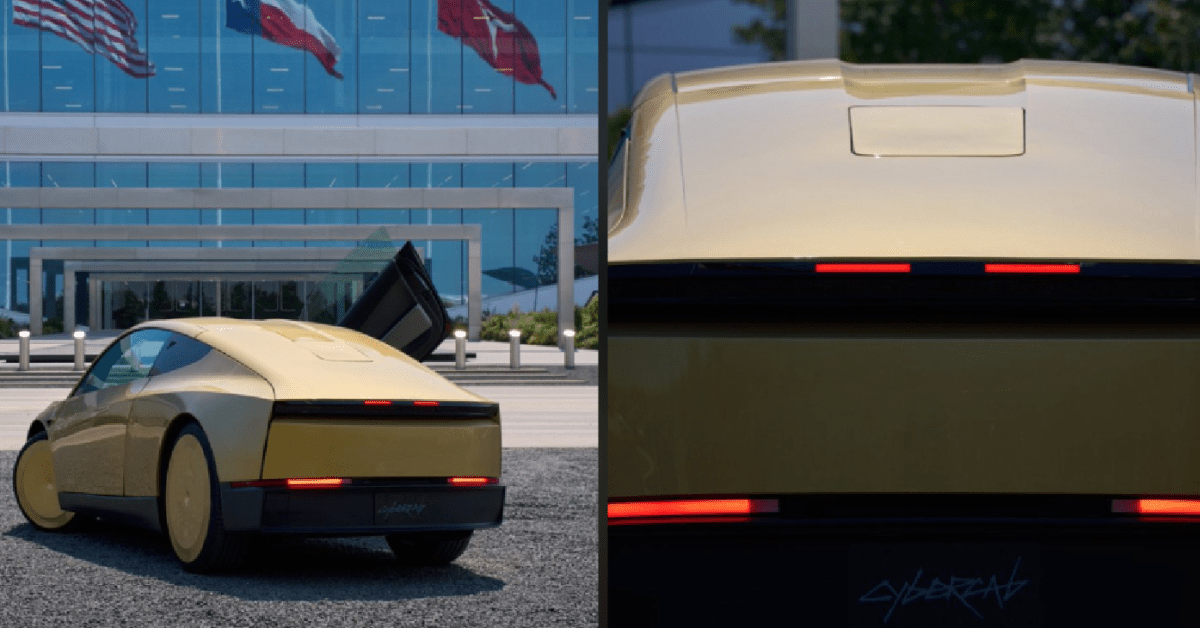

AUSTIN, Texas — Tesla purpose-built robotaxi appears to be getting the best silicon in the lineup. According to a new report, production Cybercab units are running a more powerful version of Tesla Full Self-Driving computer than the one shipping in todays Model 3 and Model Y.
More Memory, Fewer Bottlenecks
The headline change is onboard memory. Sources say the Cybercab computer carries more RAM than the Hardware 4 setup in current consumer vehicles. For context, each AI4 chip pairs with 16GB of RAM, and because one FSD computer houses two chips, the effective total is 32GB. The Cybercab reportedly beats that ceiling, though the exact figure remains under wraps.
That extra headroom matters because Tesla neural networks keep growing. Larger self-driving models demand more memory, and the development team has increasingly bumped against limits on consumer hardware. Giving the Cybercab more RAM ensures Tesla driverless fleet can run bigger, smarter models for years, a fitting foundation for the vehicle now ramping toward mass production at Giga Texas.
AI4+ Today, AI5 on the Horizon
It is not yet clear whether these early Cybercabs run a pre-production version of the AI4+ chip Tesla announced on its first-quarter earnings call, a doubled-up pair of current AI4 boards, or even an early sample of the AI5 processor that is not due for mass production until 2027. Tesla has said AI4+ will roughly double total package memory to 64GB, so equipping the Cybercab with an advance version would hand the robotaxi generous room to grow.