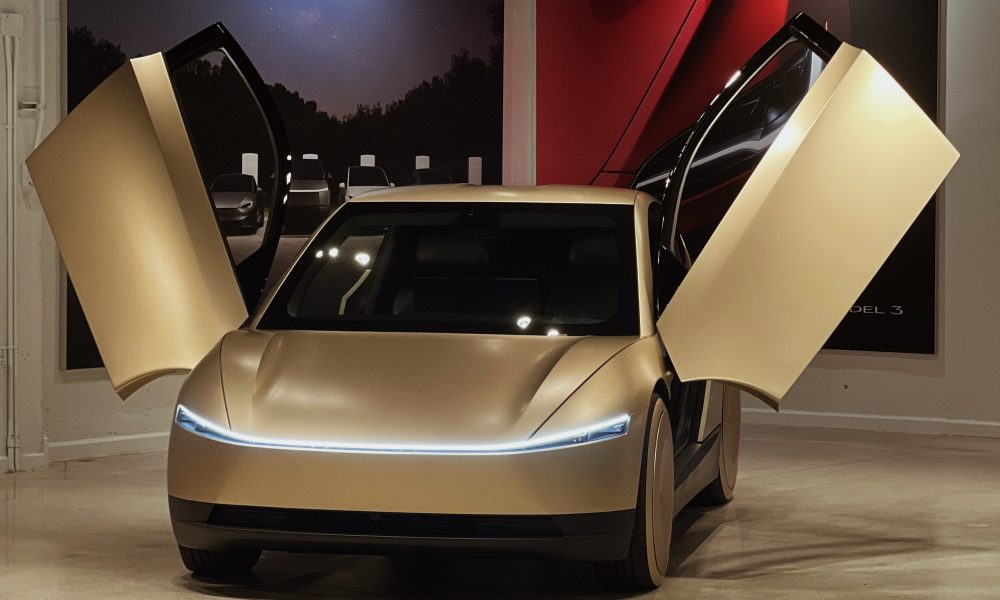
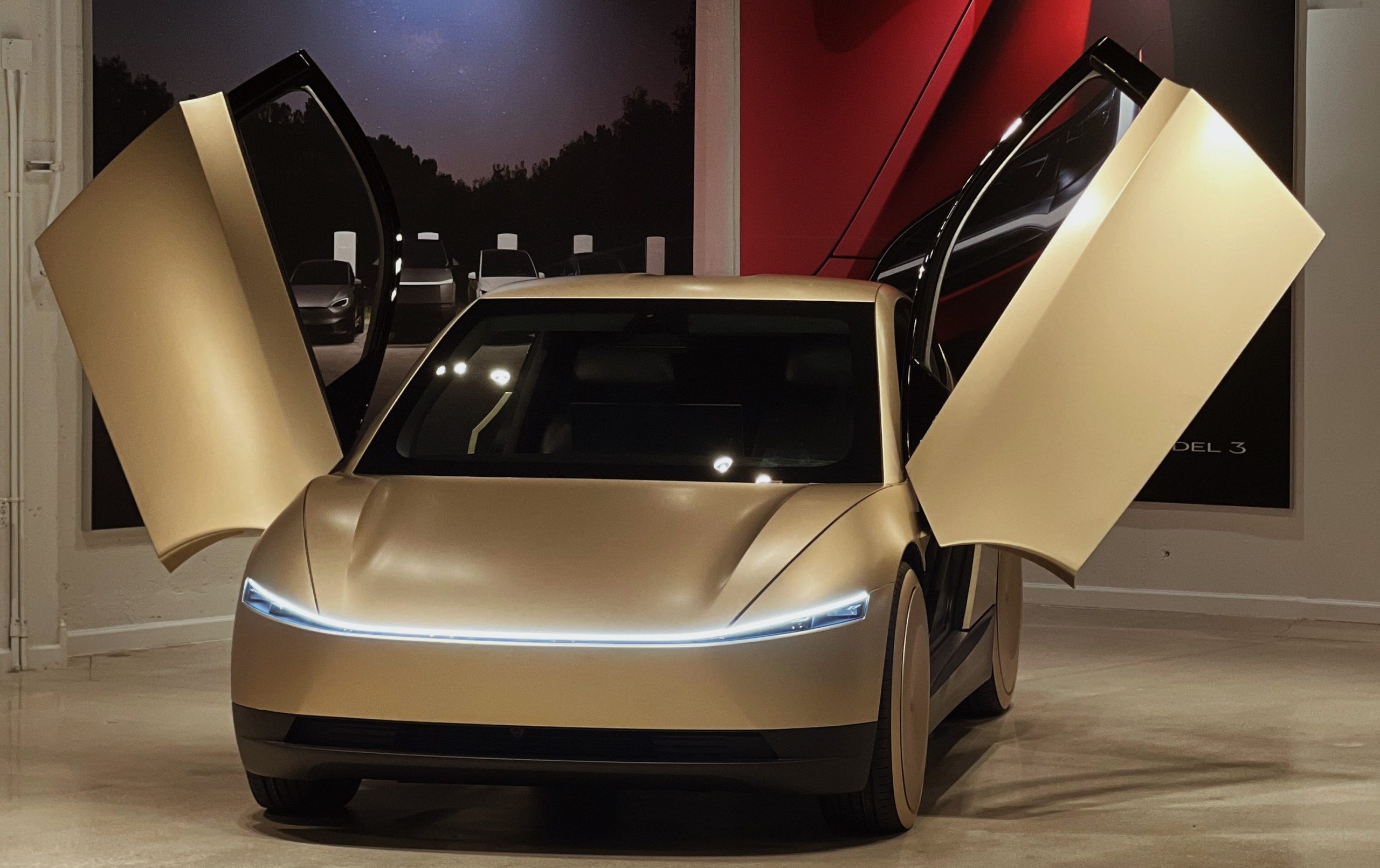
AUSTIN, Texas — Tesla has confirmed that its Cybercab uses a new reaction injection molding process to embed color directly into body panels during production, a manufacturing leap that shrinks paint cycles from hours to minutes and eliminates one of the most expensive and environmentally costly steps in building a car.
Killing the Paint Shop
"Our new reaction injection molding (RIM) process shrinks Cybercab paint cycles from hours to minutes," Tesla wrote in a post on X this week. "This cuts those parts' manufacturing and supply chain emissions by 35% and eliminating 100% of paint volatile organic compounds (VOCs) emitted in traditional paint methods." In practice, the pigment becomes part of the polymer mix injected into the mold, so each panel comes out already colored, with no separate paint application required.
Reaction injection molding itself is not new — the underlying chemistry dates to the 1960s. What makes Tesla's application notable, as Teslarati reported, is that the company is using it specifically for exterior body panels that traditionally require a separate, multi-stage paint process after forming. A protective clear coat can be applied at the mold stage or through a much faster post-process, compressing what was a multi-hour cycle into minutes per panel.
Years in the Making
Tesla's obsession with eliminating the paint shop runs through the company's entire manufacturing philosophy. As far back as 2018, Musk was trimming color options to simplify production. Two years later he laid out a broader vision, arguing Tesla factories could one day be far more efficient than conventional plants and pointing to the paint shop as a prime source of waste, cost and complexity.