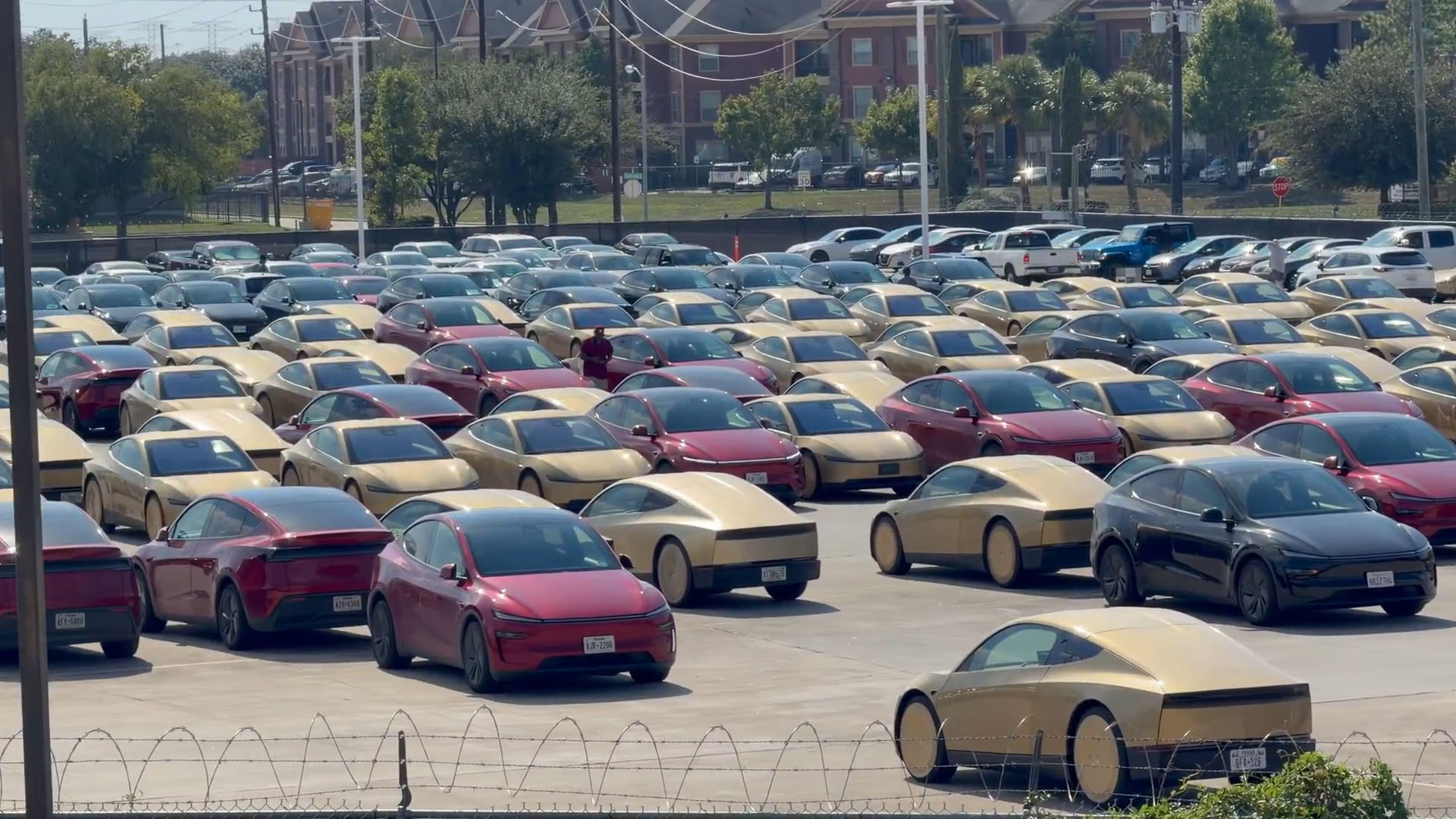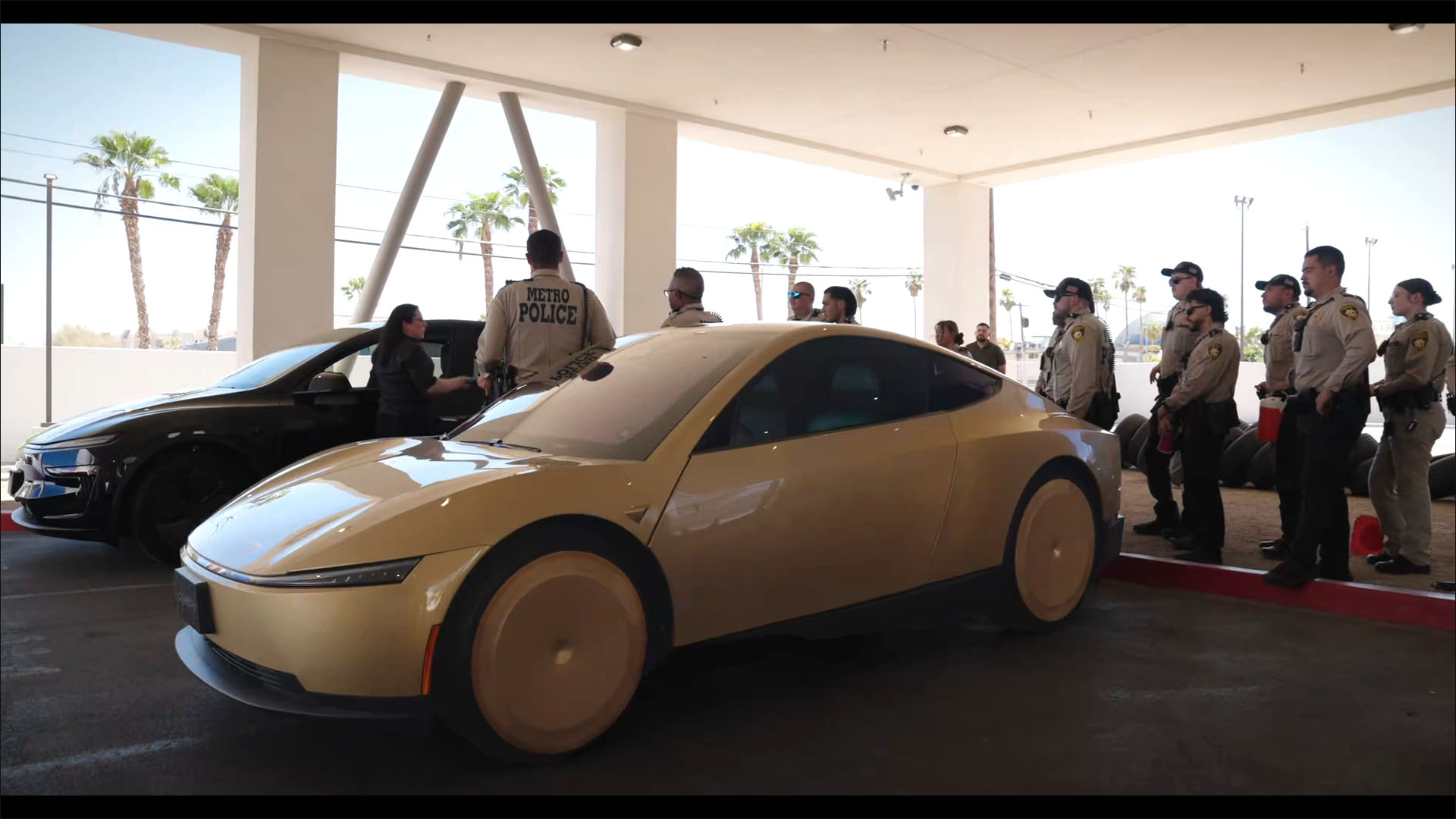
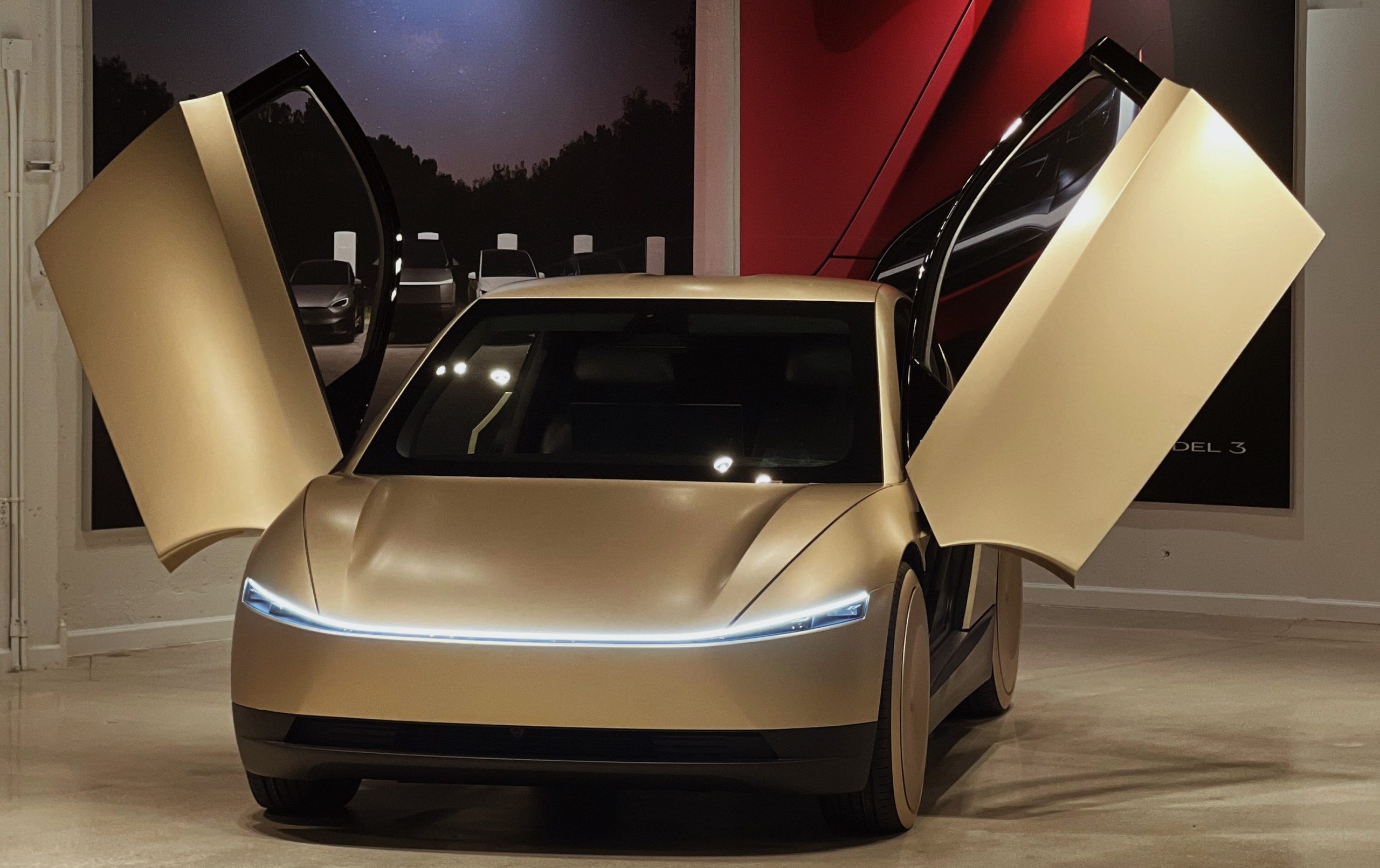
AUSTIN, Texas — Tesla has spent years trying to engineer its way out of the paint shop, one of the most expensive and polluting steps in building a car. With the Cybercab, it finally has. Tesla confirmed this week that a reaction injection molding process bakes color directly into the vehicle body panels as they are formed, no separate paint line required.
Color Baked In, Not Sprayed On
In a post on X, Tesla said the new process shrinks Cybercab paint cycles from hours to minutes, cuts those parts manufacturing and supply-chain emissions by 35%, and eliminates 100% of the volatile organic compounds that traditional painting releases. The pigment is mixed into the polymer before it is injected into the mold, so each panel emerges already colored, with a fast protective layer applied at or just after the mold stage.
Reaction injection molding itself is not new; it has existed since the 1960s. What makes Tesla application notable is using it for exterior body panels that normally demand a full downstream paint process. Compressing a multi-hour paint cycle into minutes per panel is exactly the kind of manufacturing leap that suits a vehicle Tesla intends to build in enormous volume, and it dovetails with the Cybercab ramp already underway at Giga Texas.
A Decade-Long Obsession Pays Off
Killing the paint shop has been a consistent thread in Tesla manufacturing philosophy. Back in 2018, Musk trimmed color options to simplify production, and in 2020 he argued Tesla factories could one day be far more efficient than conventional plants, singling out the paint shop as a top source of waste and cost. The Cybertruck stainless-steel exterior was the most extreme expression of that idea, chosen partly to avoid a $200 million paint facility.