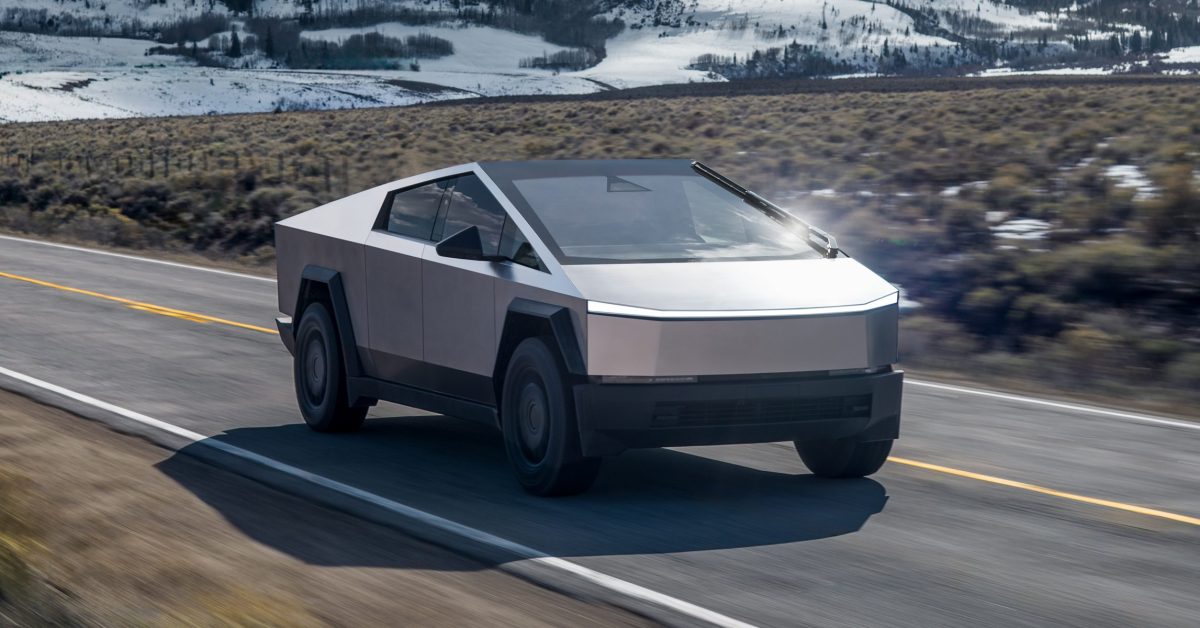
AUSTIN, Texas — Tesla is making a decisive bet on its highest-volume future. In an early-Friday post on X, Elon Musk confirmed that the company will wind down Cybertruck production at Gigafactory Texas around the middle of 2027, freeing the line to make room for a dramatic ramp of the Cybercab robotaxi. The move reads less like a retreat than a classic Tesla reallocation: shifting capacity from a low-volume halo product to the vehicle Musk expects to define the company's next decade.
Clearing Room for the Cybercab
Gigafactory Texas spans more than 10 million square feet, and the Cybertruck line has been running at roughly a quarter of its installed capacity. Rather than let that floor space sit underused, Tesla intends to hand it to the Cybercab, the purpose-built autonomous two-seater now rolling off a dedicated "unboxed" production line. Cybercab prototypes have already been spotted testing well beyond Austin's original robotaxi geofence, and 463 of them were registered in Texas by late October as the program scales toward wider commercial service.
The logic mirrors a move Tesla made earlier this year, when it retired Model S and Model X production at Fremont to free that plant for Optimus. In each case the company has chosen to point its best manufacturing real estate at the products with the largest addressable markets — robotaxis and humanoid robots — rather than spread itself thin across niche segments.
A Halo Car That Did Its Job
The Cybertruck was always a statement vehicle. Across roughly three years it put an estimated 70,000 stainless-steel exoskeletons on the road and served as a rolling testbed for technology now spreading across Tesla's lineup, from 48-volt low-voltage wiring to steer-by-wire and die-cast structural design. Those advances will outlive the truck, baked into the Cybercab and the next-generation models Tesla showcased alongside Optimus in Asia.
