Live Robotaxi Rollout2,201Tesla
robotaxis
  • Bay Area, CA1,655 Model YsSafety driver
  • Texas546 (126 Cybercab · 420 Model Y)Driverless
  • Miami, FLModel Y fleet · count not disclosedDriverless
  • Orlando, FLModel Y fleet · count not disclosedDriverless
  • Tampa, FLModel Y fleet · count not disclosedDriverless
  • Las Vegas, NVPermit for up to 5,000 robotaxisApproved
  • Phoenix, AZLaunch preparations under wayComing soon

Tesla Says FSD Cut Crashes 40% in First Year Down Under

Tesla says vehicles running FSD (Supervised) in Australia and New Zealand crashed 40% less often per kilometre than manually driven Teslas across the software's first year.

3 min read
Tesla Says FSD Cut Crashes 40% in First Year Down Under

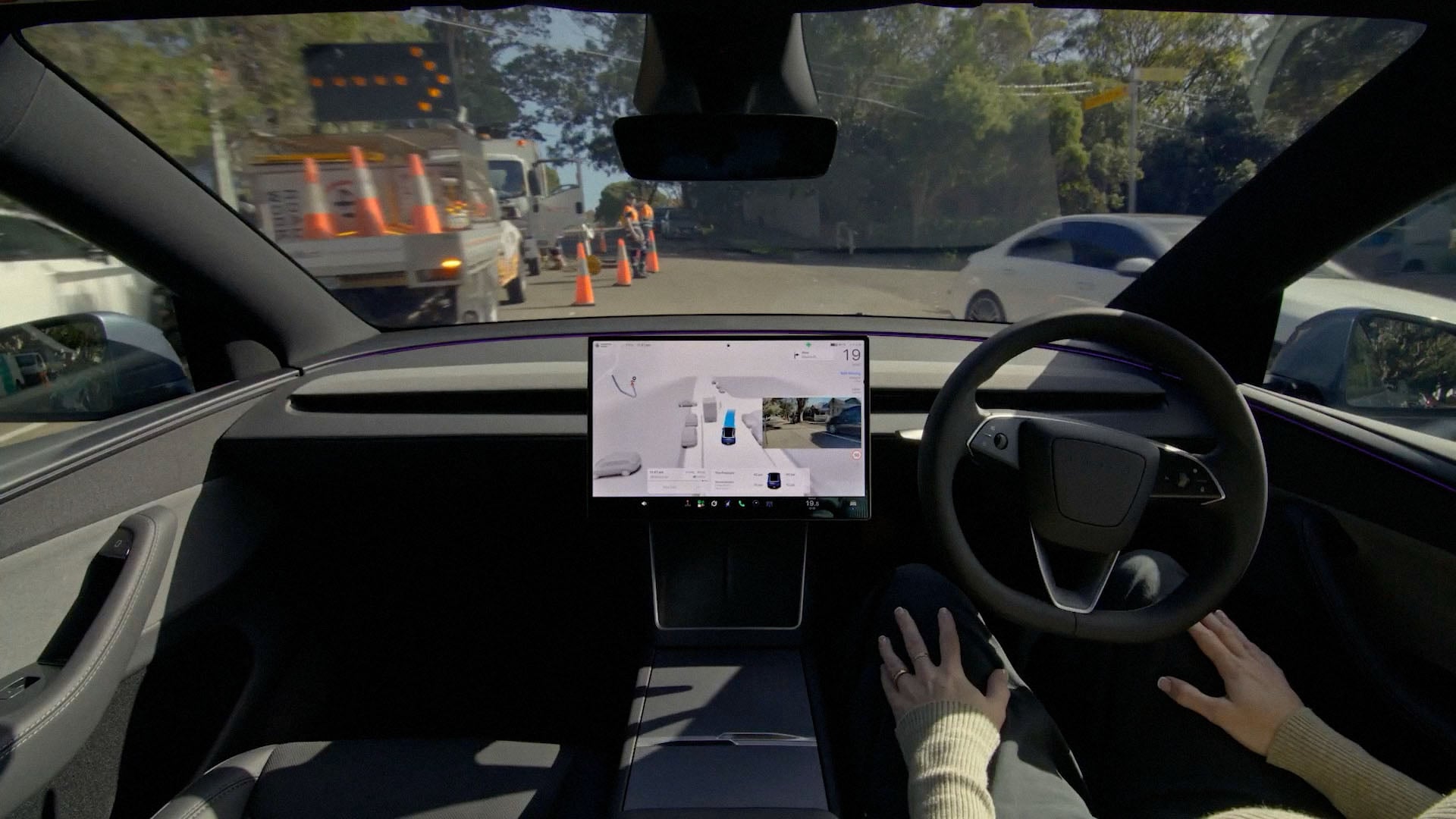
AUSTIN, Texas — Tesla has marked the first anniversary of Full Self-Driving (Supervised) in Australia and New Zealand with a striking safety claim: cars running the software crashed 40% less often per kilometre than Teslas driven by hand.

Owners covered more than 160 million kilometres with the system engaged between September 17, 2025 and September 16, 2026 — roughly 4,000 laps around the Earth. Drawn from Tesla's own vehicle telemetry across every road type in both countries, the data offers one of the clearest real-world readouts yet on how the company's driver-assistance stack performs at scale.

The Headline Numbers

Tesla measured those 160 million supervised kilometres against 2,403 million kilometres driven manually in Teslas with active safety features switched on, over the same period and markets. Vehicles on FSD recorded one collision, major or minor, every 1.78 million kilometres, versus one every 1.07 million kilometres for manual driving.

The behavioural gaps run deeper still. Automatic emergency braking fired once every 17,432 kilometres on FSD against once every 5,989 manually, a 66% reduction. Harsh braking fell 90%, harsh acceleration dropped 86%, and harsh lateral acceleration eased 76%. Drivers on the system even sounded the horn 80% less often. The pattern is consistent with the safety gains Tesla has previewed in its latest FSD builds.

Adoption Moving Fast

Uptake has been immediate. Owners logged the first million kilometres within two weeks of launch, and average daily use is now more than five times higher than at the start, with Australian cars alone passing 132 million kilometres by mid-September. Version 14 arrived locally as v14.3.3 in June and reached v14.3.9 around September 16, closing the gap to the global fleet to a matter of days.
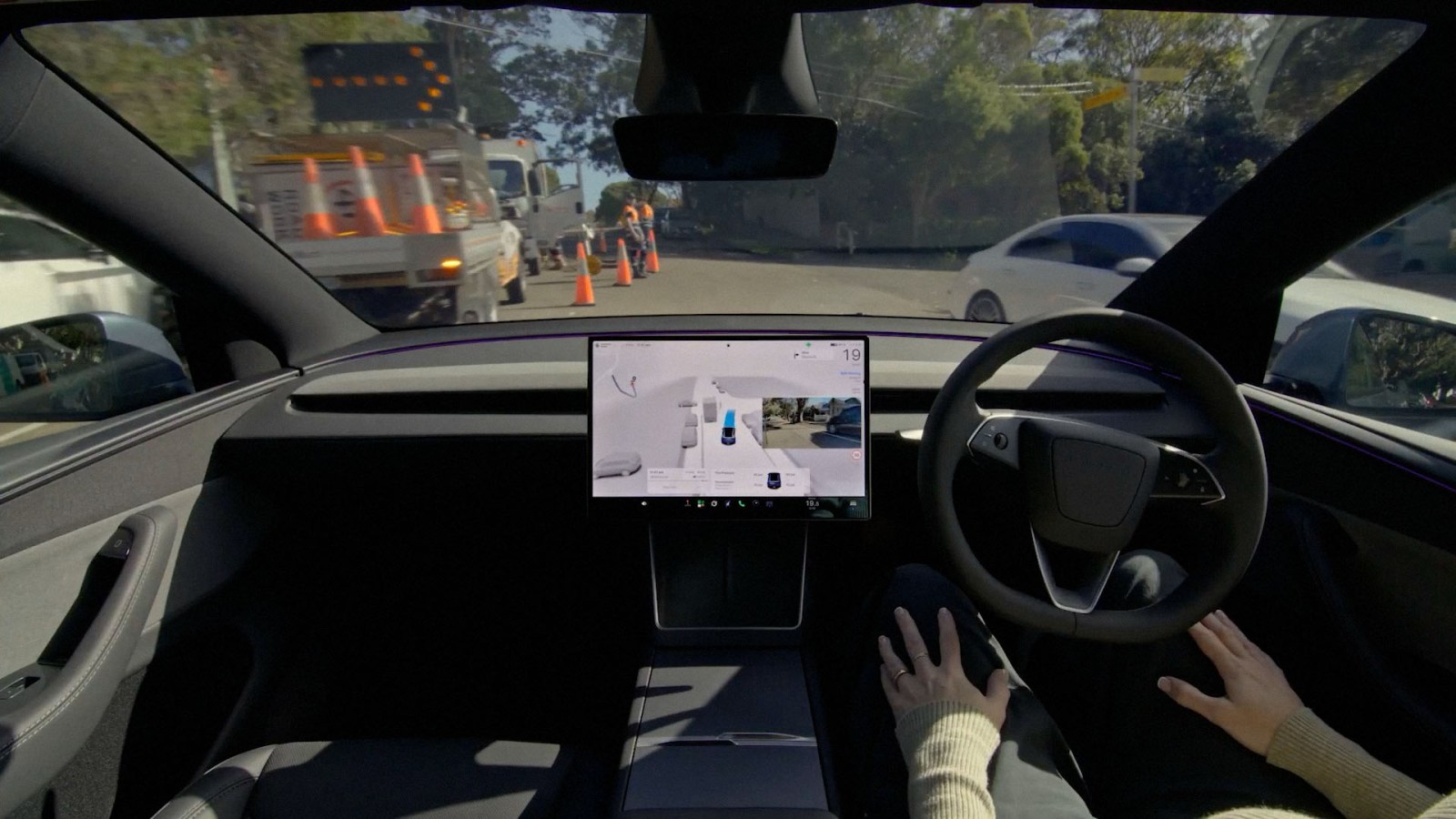
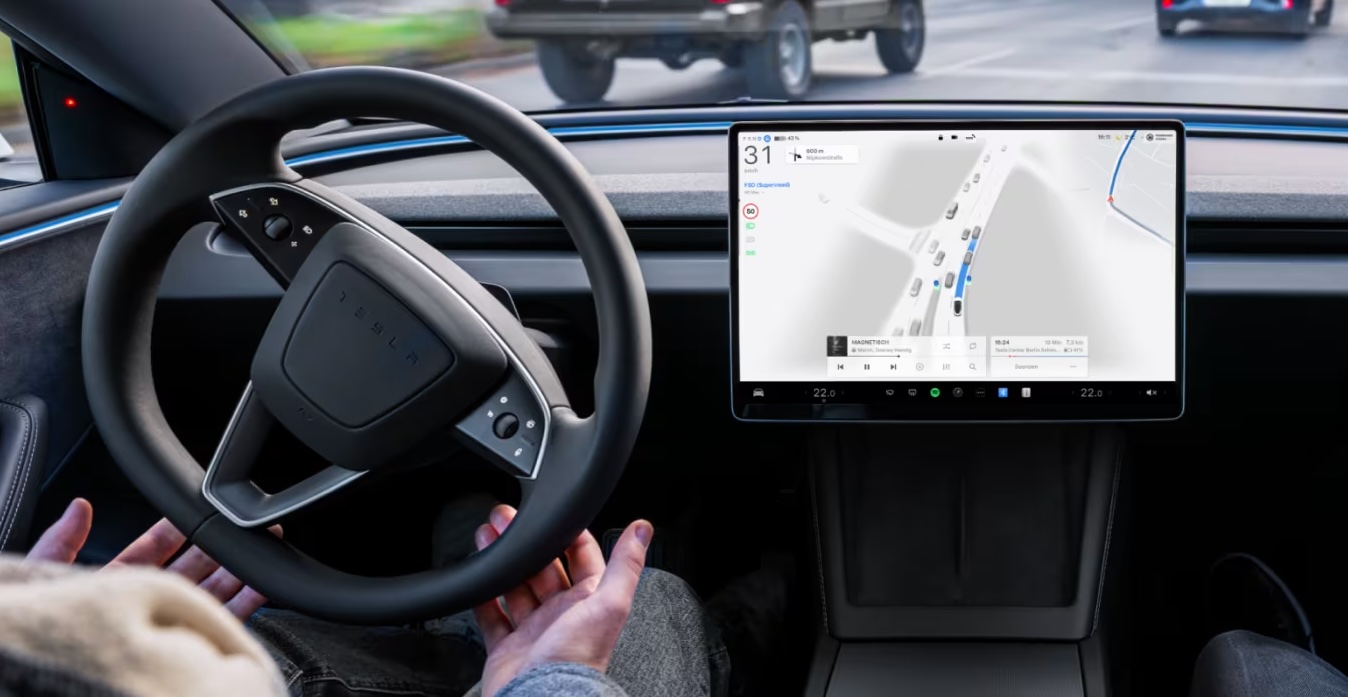
Tesla Says FSD Cut Crashes 40% in First Year Down Under — additional image

FSD currently runs on Hardware 4 cars — the current Model 3 and newer Model Y — and Tesla has moved it to a subscription model, echoing the subscription push it has rolled out in North America. Owners who bought the software outright before the change keep it.

Insurers Take Notice

The anniversary data landed days after Zurich began treating FSD as a rating factor on InsureMyTesla, becoming the first Australian insurer and only the second globally to price the software into premiums. It is a tangible sign that the safety case is starting to translate into dollars-and-cents value for owners, not just marketing slides.

What Comes Next

Tesla brings the Cybercab to Sydney from September 21, touring showrooms across Australia through year-end before reaching New Zealand in early 2027. Neither country yet permits unsupervised operation, and national automated-vehicle legislation is not expected before 2027, so the human driver remains responsible for now.

Even with those guardrails, the first-year scorecard gives Tesla a powerful argument as it courts new markets: the more kilometres its cars drive themselves, the safer the road appears to get. The figures were detailed by industry outlet EV, and they hand Tesla exactly the kind of evidence regulators and insurers have been asking to see.