Tesla FSD Will Soon Let You Pick Your Parking Spot

Elon Musk says Tesla is adding driver control over which space Full Self-Driving parks in and how it pulls in, targeting the single biggest cause of interventions.

3 min read
Tesla FSD Will Soon Let You Pick Your Parking Spot

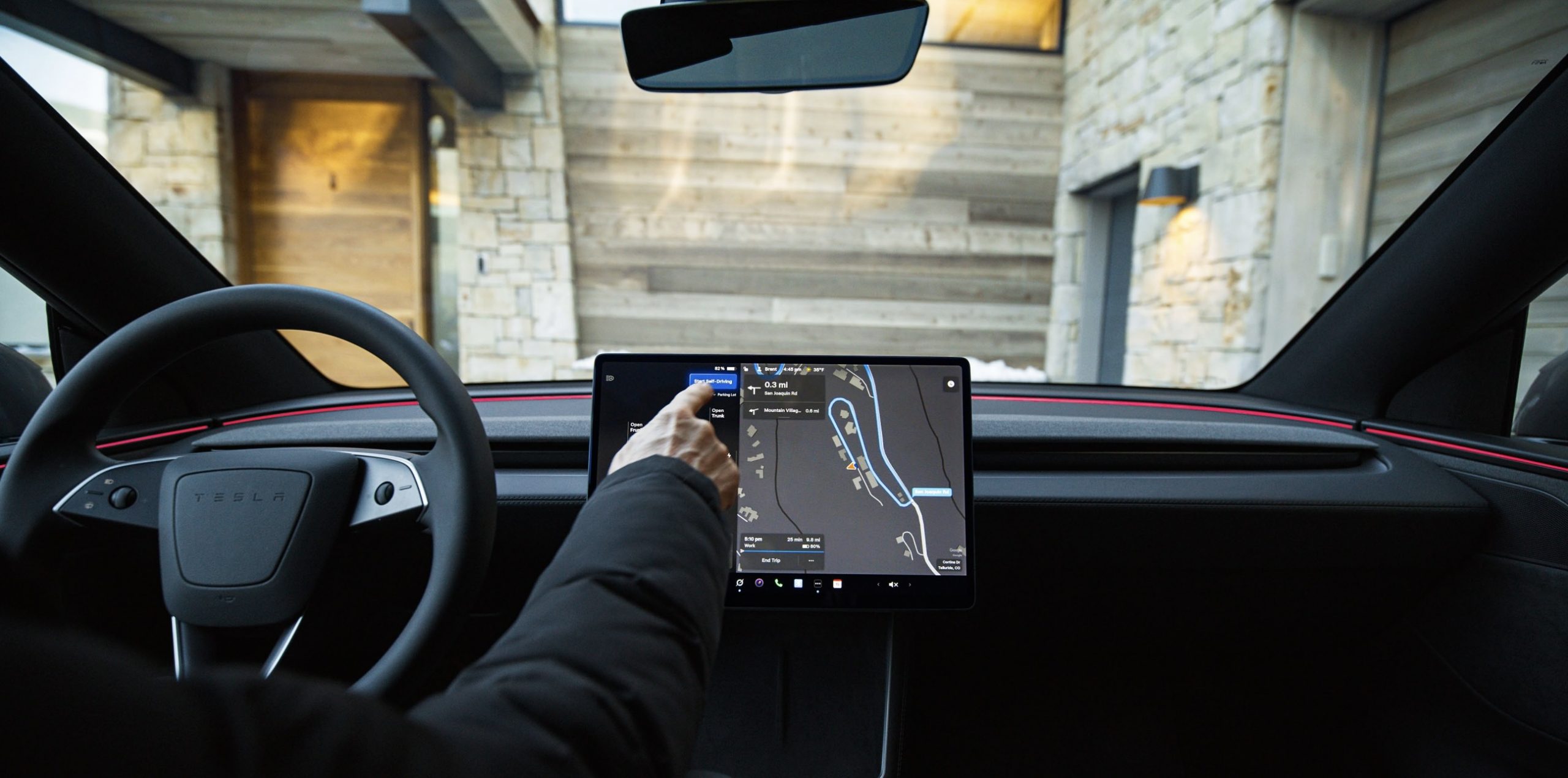
AUSTIN, Texas — Tesla is about to make one of the most common Full Self-Driving frustrations disappear. Elon Musk confirmed this week that the automaker is adding the ability for drivers to choose exactly which space the car parks in — and how it enters it — in busy lots.

Responding to owners on X, Musk said the feature is "coming soon," part of a broader effort to make FSD conform to each driver's personal preferences rather than a one-size-fits-all default. It builds directly on the company's recent commitment that a Tesla will start to learn your individual preferences.

Solving the No. 1 Reason People Take Over

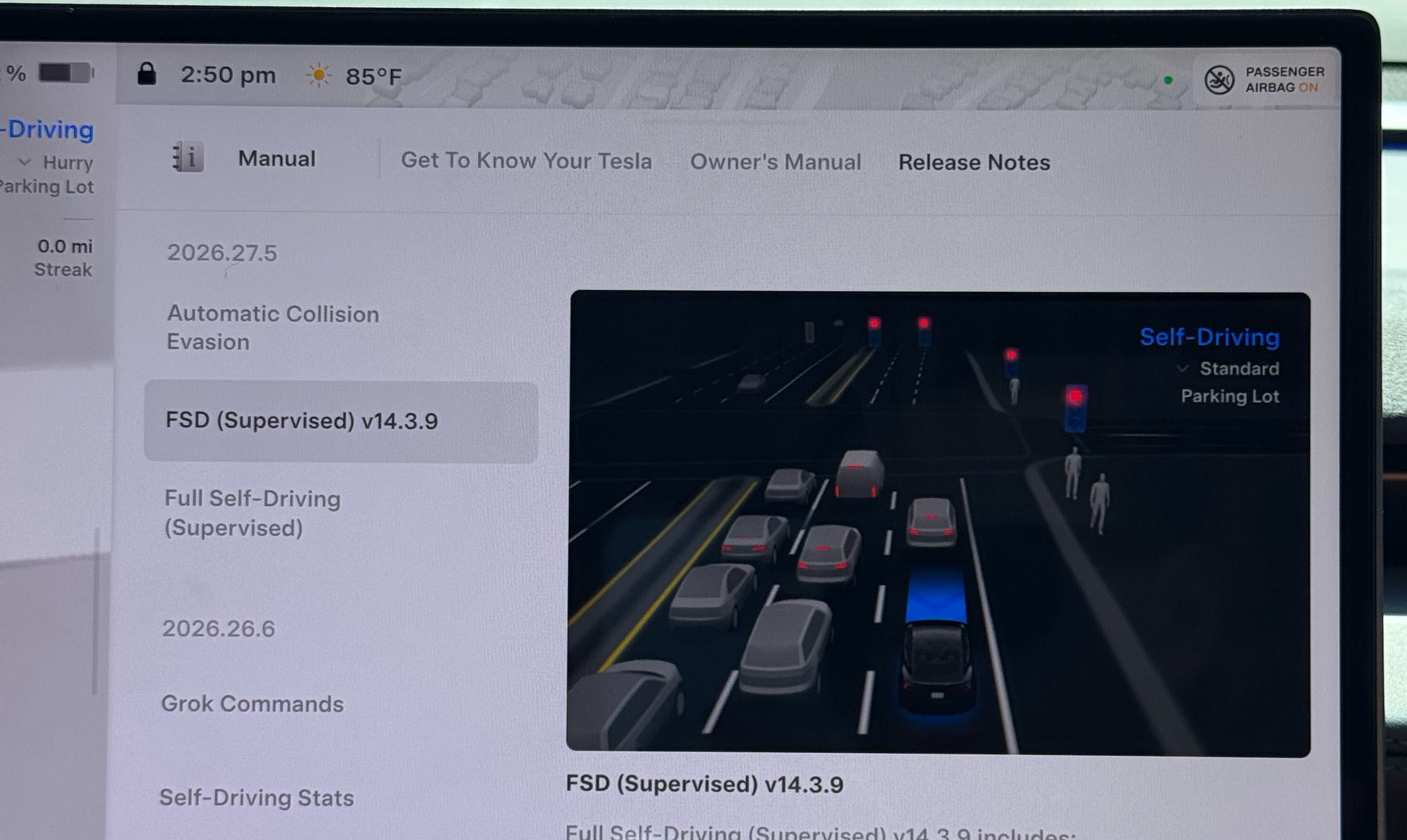
Musk has repeatedly pointed to parking as the single most frequent reason drivers intervene with FSD. Crucially, the issue usually is not safety — the system parks competently — but preference. The car might choose a spot the driver would not, or pull nose-first into a space the owner prefers to back into.

The coming update targets exactly that. Drivers will be able to select their preferred space and the orientation the car uses to enter it, whether pulling in or reversing. For owners in communities or workplaces with assigned parking, where FSD has struggled to pick the correct spot among many, it is a meaningful quality-of-life fix.
Tesla FSD Will Soon Let You Pick Your Parking Spot — additional image

Preferences as a Path to Full Autonomy

The parking change is one piece of a larger philosophy shift. Tesla has always argued that human input is, ideally, unnecessary — but many interventions today happen not because the car is wrong, but because it is not doing what the driver would choose. Eliminating those preference-driven takeovers narrows the gap toward truly hands-off driving, the same trajectory behind the wide rollout of FSD v14 Lite to older vehicles.

By having the car remember specifics — which lane a driver likes on the highway, which driveway is theirs, how they prefer to park — Tesla turns each correction into a durable lesson rather than a repeated annoyance.

Why It Matters

Reducing non-critical interventions is more than a convenience play; it is central to Tesla's autonomy roadmap. The fewer times a driver reaches for the wheel out of mere preference, the closer the system gets to the point where the only reason to take over is a genuine safety event — which, Tesla notes, is already rare.

As Teslarati reported, the parking upgrade is expected soon. When it lands, one of FSD's most persistent everyday irritations should quietly fade — and Tesla's case that its cars are ready to drive themselves gets a little stronger.