Tesla Building Voice Control to Teach FSD Your Street

Tesla AI chief Ashok Elluswamy confirmed FSD will soon accept spoken, contextual instructions, letting drivers tell the car which driveway is theirs and having it remember for next time.

3 min read
Tesla Building Voice Control to Teach FSD Your Street

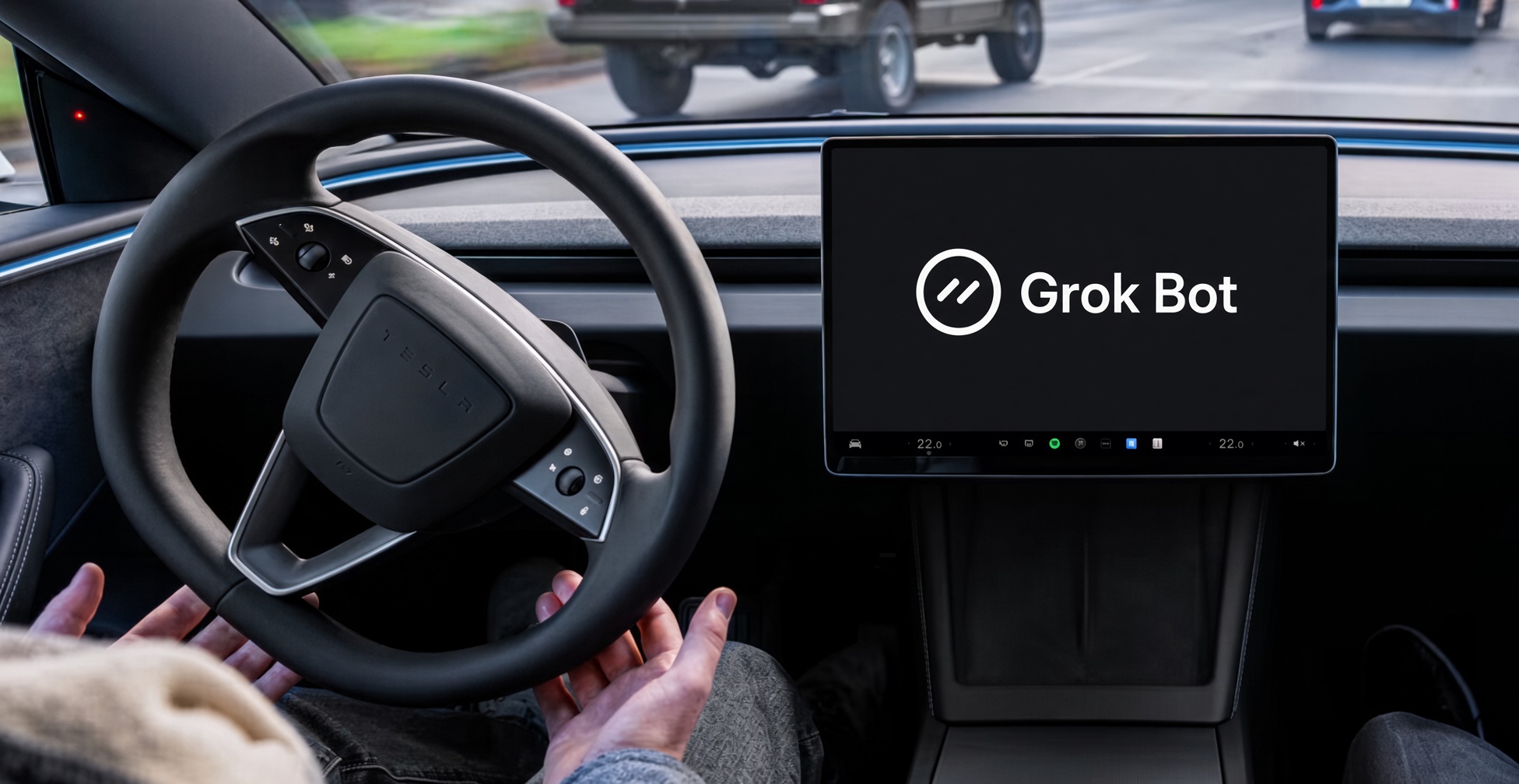
AUSTIN, Texas — Tesla is about to let you simply talk to your car and teach it exactly where to go. Tesla VP of AI Software Ashok Elluswamy confirmed this week that Full Self-Driving will soon accept spoken, contextual instructions, so a driver can tell the vehicle which driveway to pull into or which house is theirs, and the car will remember for every future trip.

Talking Your Car Home

The confirmation came after a Tesla owner pointed out one of FSD most human limitations: the system has no natural way to receive the offhand directions a person would give a driver. Telling the car it is the white house on the left, just past the SUV, is intuitive for people but impossible for today software, and map pins are notoriously imprecise about which driveway actually belongs to you.

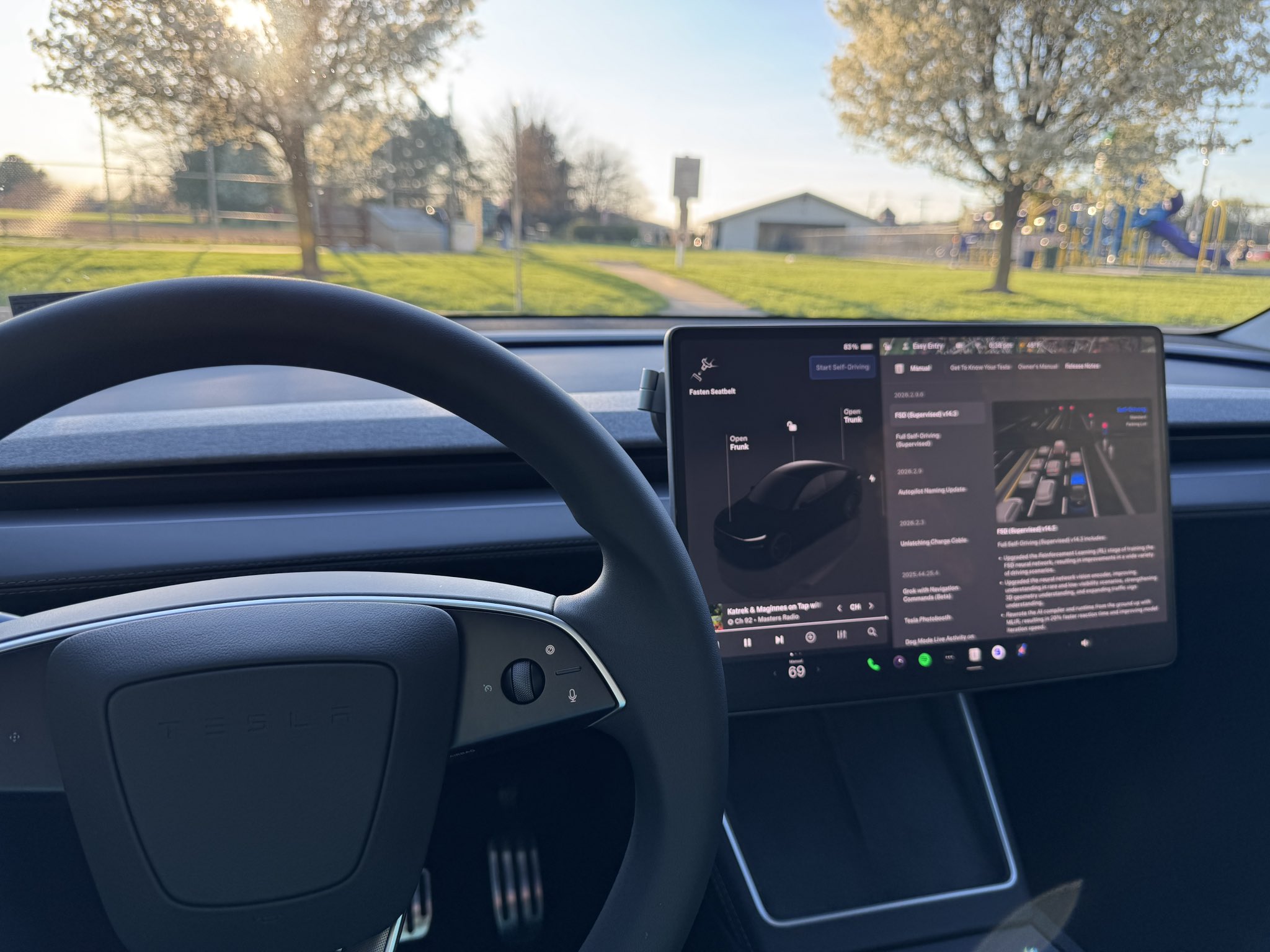
That gap is what Tesla is now closing. The feature builds directly on Grok, the in-car assistant that has been available in Tesla vehicles since July 2025 and gained a hands-free Hey Grok wake word this spring. It also complements other new FSD inputs Tesla is rolling out, including cabin-camera driver verification that confirms who is behind the wheel before autonomy engages.

From Passenger to Supervisor

Until now, Grok could answer questions and set navigation, but it had no authority over how FSD actually drove. Lane changes, braking, and parking stayed inside FSD autonomous loop. What Elluswamy confirmed is the next step: pushing Grok into a supervisory role that translates spoken intent into driving decisions. Elon Musk has said those voice commands will reach FSD planning layer by September 2026.

Tesla Building Voice Control to Teach FSD Your Street — additional image

Tesla is being deliberate about safety. Elluswamy noted the obvious guardrail, that you should not be able to tell the car to crash, and it should not crash, which is why voice-to-driving control opens an entire new area of validation the team must work through before wide release.

The bigger prize is data. Every time an owner corrects FSD with a spoken instruction and the car learns it, that becomes a real-world edge case no simulation could invent. A fleet of millions crowdsourcing hyper-local knowledge, which gate, which entrance, which side of the street, compounds into an advantage rivals without a comparable fleet cannot match, and it feeds directly into the robotaxi expansion now reaching new cities.

Why It Matters for Robotaxi

Tied to individual rider profiles, voice-taught context could let a Cybercab know before it even arrives which entrance to use, where to wait, and how to handle the final hundred feet of a familiar trip. As Teslarati reported, that turns a rider preference into permanent, reusable intelligence for the whole network.

If Tesla hits its September timeline, the everyday experience of being driven home is about to feel a lot more like riding with someone who already knows the way, because soon, the car will.